
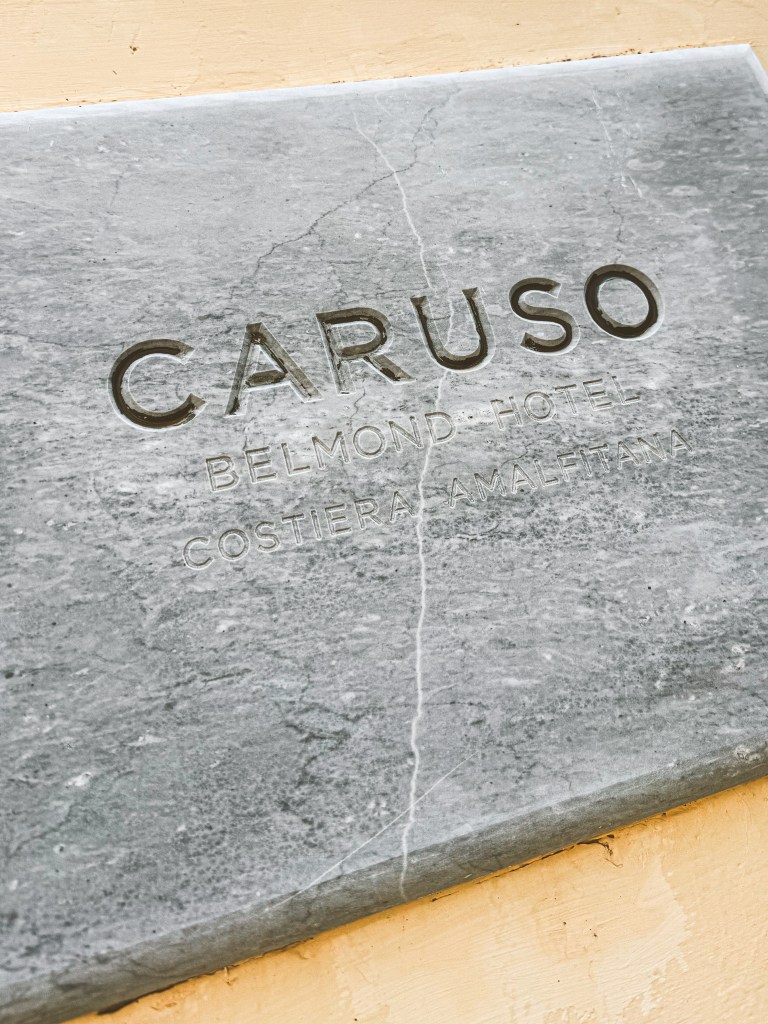
Caruso, A Belmond Hotel
Ravello, Amalfi Coast, Italy
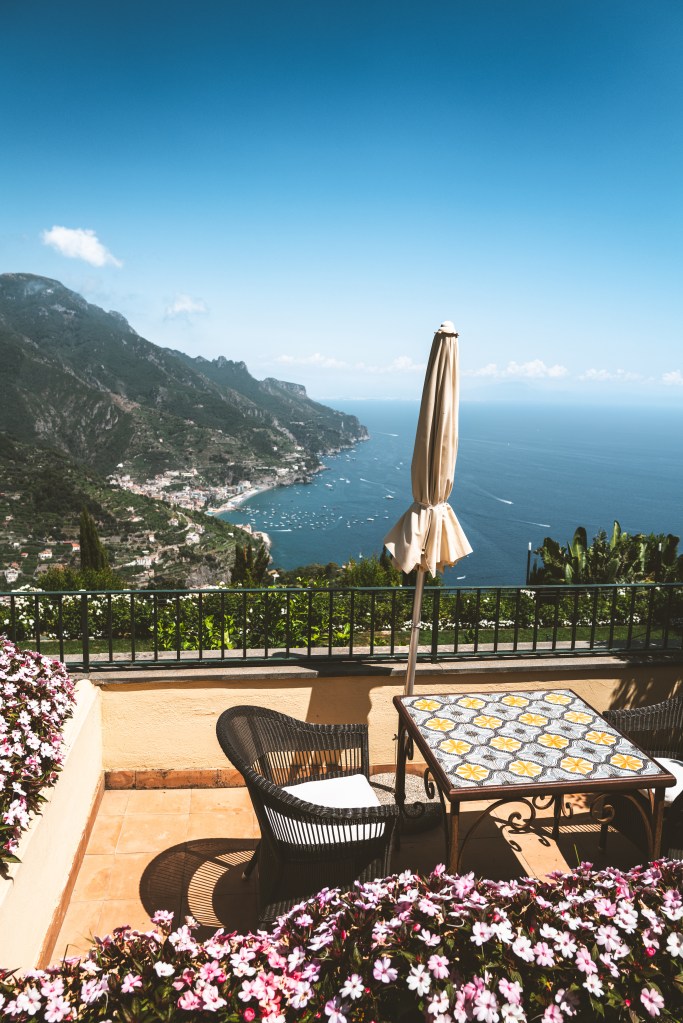
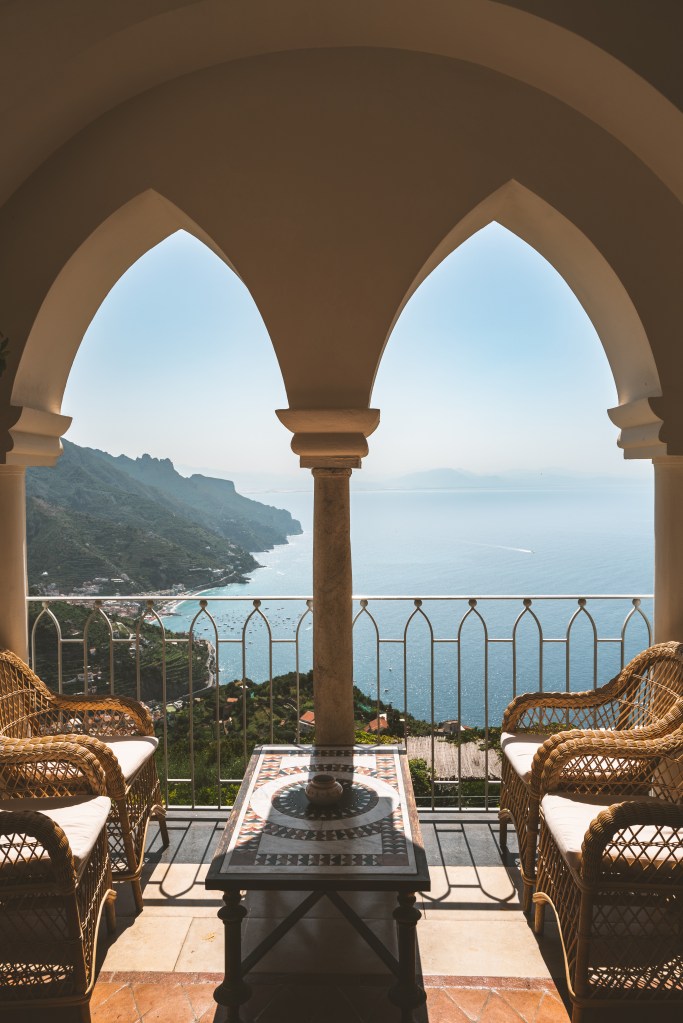
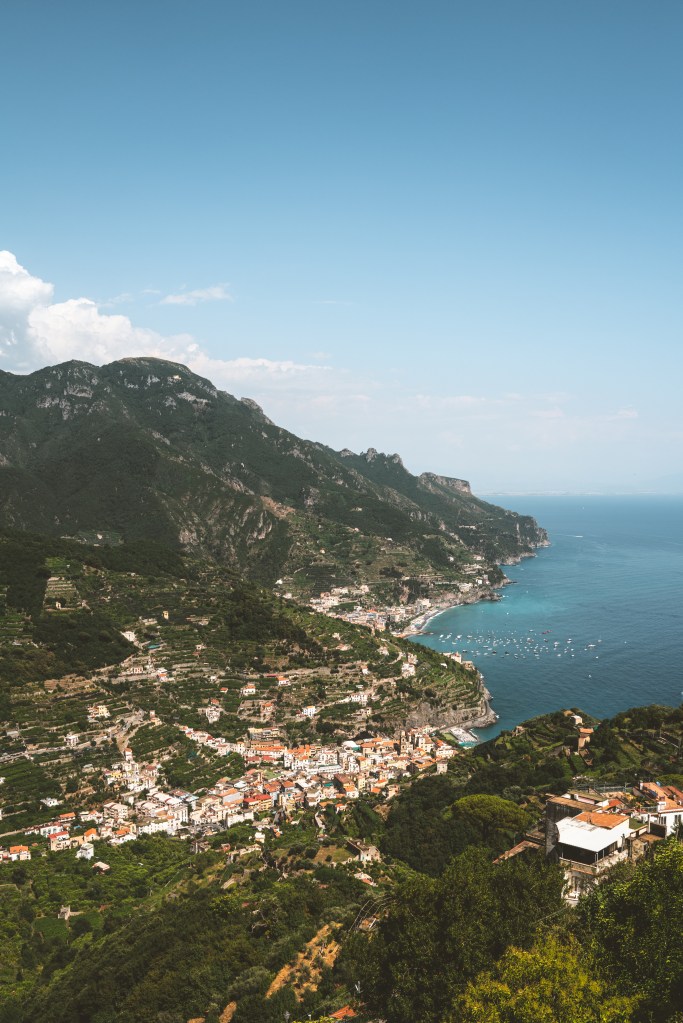
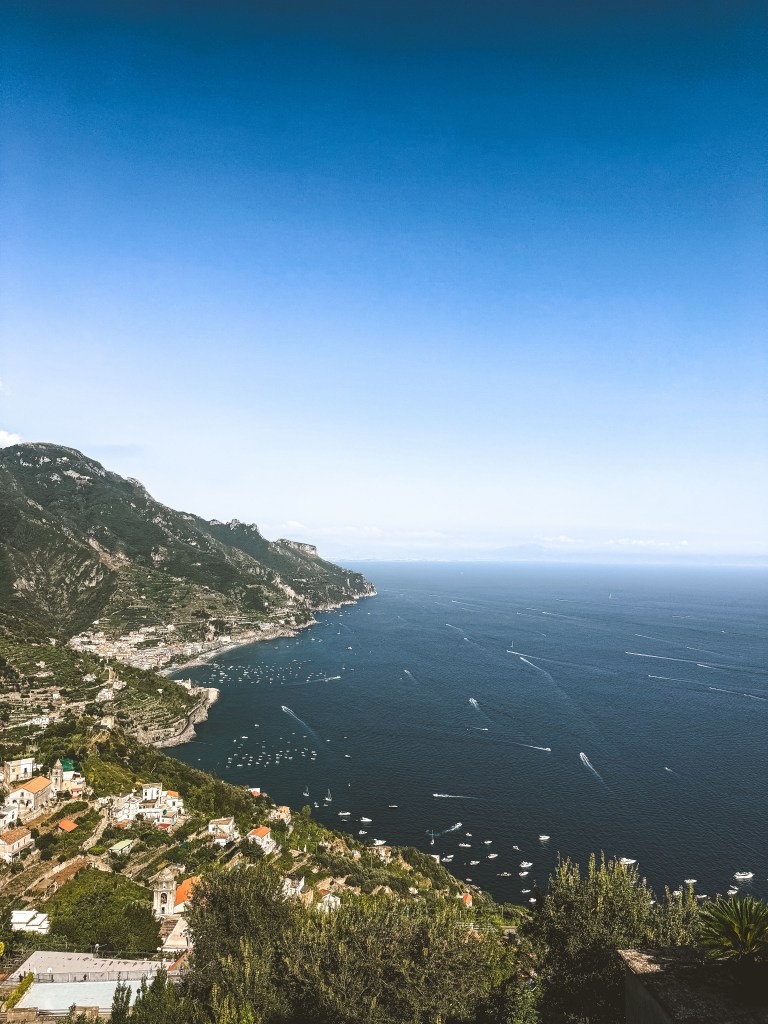
On the Amalfi Coast there are hotels that impress, and there are hotels that disarm you entirely. Caruso belongs to the latter. The road to Ravello curls upwards like a question mark, switchbacks climbing from sea to sky, until the town finally appears, a cluster of tiled domes and sunlit terraces balanced improbably on a ridge. At its summit sits the Caruso, an 11th‑century palazzo turned sanctuary, a place where arches frame the horizon and frescoes whisper of centuries past. Arriving here is less check‑in than revelation: the land falling away beneath you, the Tyrrhenian rolling out in blue, and staff greeting you not with formality, but with warm familial ease.
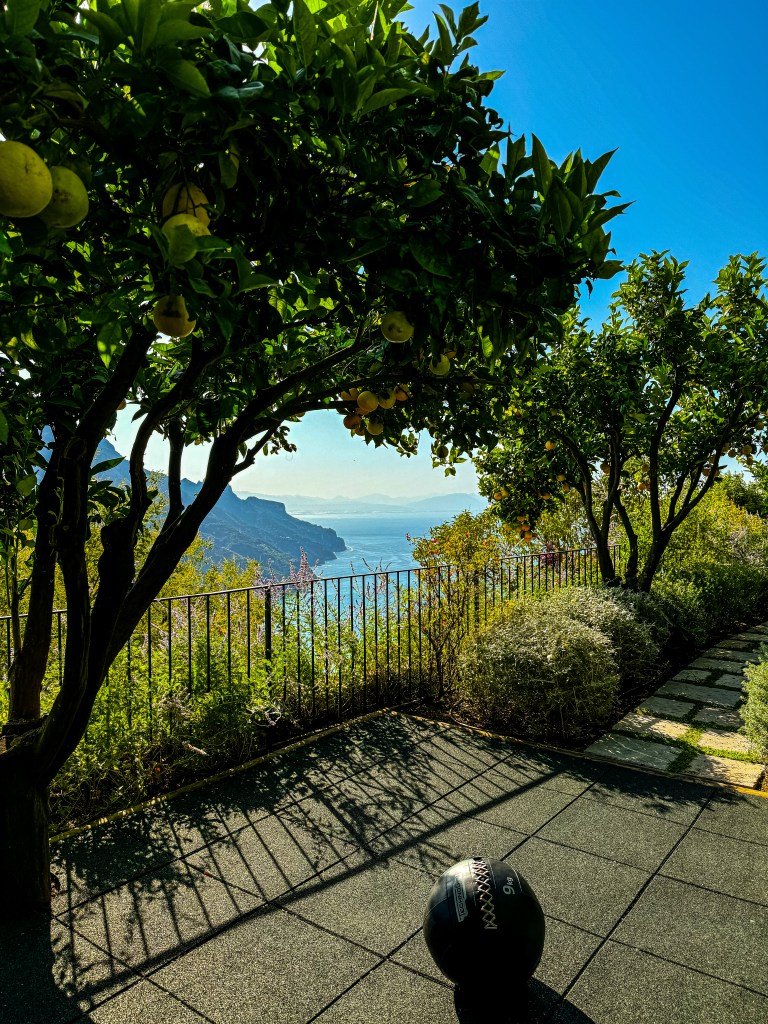
The palazzo carries its history with quiet authority. Once the home of nobles, later a monastery, it has been restored with Belmond’s unparalleled signature blend of reverence and flourish. Ceilings still bear frescoes of saints and angels, long corridors are tiled in terracotta, and loggias open onto gardens heavy with roses and lemons. Wagner came to Ravello and declared it a place where he glimpsed the notes for his operas; one suspects he might have found even more inspiration had he known the Caruso. Every corner holds a story, cloisters turned to salons, a library where monks once kept their books, terraces where olive trees lean into the breeze.
Yet for all this heritage, it is the modernity of the infinity pool that completes the Caruso myth. Etched against the sky, it has become one of the most photographed bodies of water on the planet, yet no lens can quite capture the hush that falls when you slip into it. Lemon-grove covered hillsides, gardens and sea align as though composed for an overture. Guests who arrive chattering quickly fall silent, surrendering to the theatre of it. Attendants appear with chilled towels, or a plate of brioche and gelato presented as if these too were essential to floating. It is indulgence without ostentation, the kind of luxury that makes you wonder how you ever swam elsewhere.
“The infinity pool appears in every photograph, yet no lens can capture the hush that falls when you slip into its waters.”
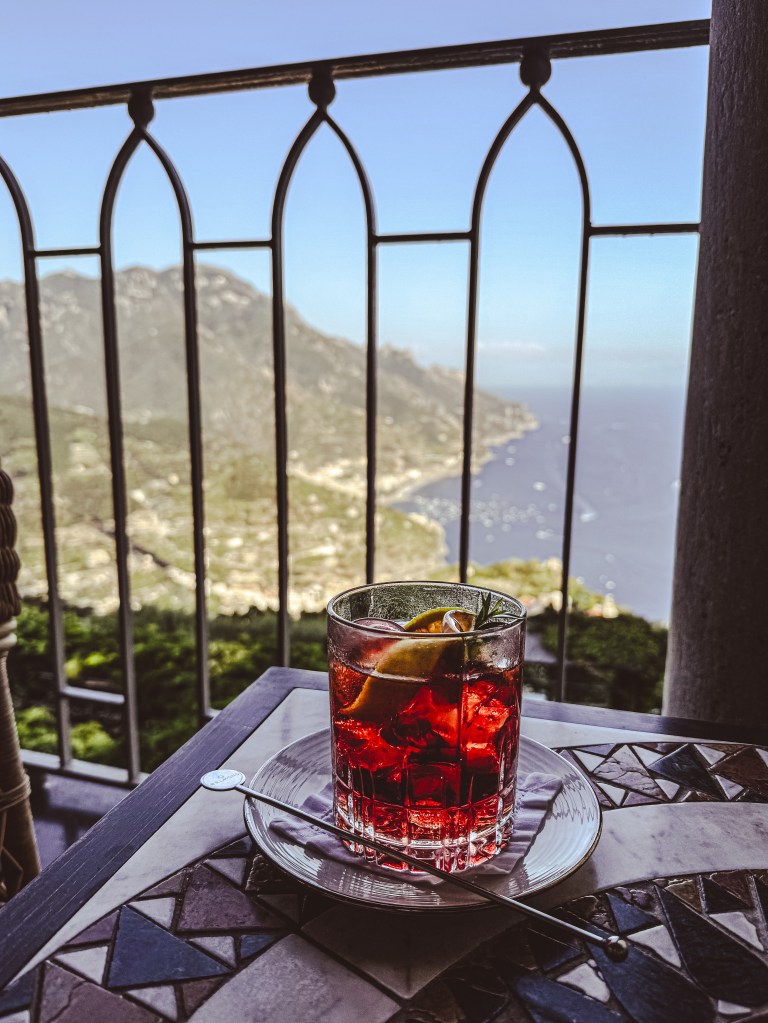
Service at Caruso is its own form of artistry. Iolanda, who welcomed us and checked on us daily with warm, familial care, has a warmth that feels like kinship rather than courtesy. Claudia, ever attentive, seems to anticipate needs before they are voiced, a fresh espresso appearing the moment you consider one. Tommaso mixes Negronis of such balance they verge on orchestral (and disclosed his 7 generations old family Limoncello recipe), while Armando, confronted with a whimsical craving for carrot cake, produced one off‑menu with a smile as if it were the most natural thing in the world. These gestures, so specific and unforced, transform luxury into intimacy. The effect is less five‑star service than the sense you are staying with an impossibly refined Italian family.
The bedrooms are fewer than fifty, which makes them feel more like treasures doled sparingly than mere keys on a rack. Some wear murals like fine jewellery, others spill into terraces and gardens where Puccini himself might have hummed a bar or two. One half expects the housemaid to appear in iambic pentameter; instead, ours brought strawberries, champagne, and a daily gift from the manager, a trinity of gestures more eloquent than any press release. We stayed in a garden sea-view suite, a light-struck chamber with terracotta floors, frescoes glancing down from the ceiling, and a private patio leading to a garden with a million-dollar view. Watching the sun sink over the Amalfi coastline from our own lawn, Negroni in hand, felt less like a hotel stay and more like a scene one might carry forever.
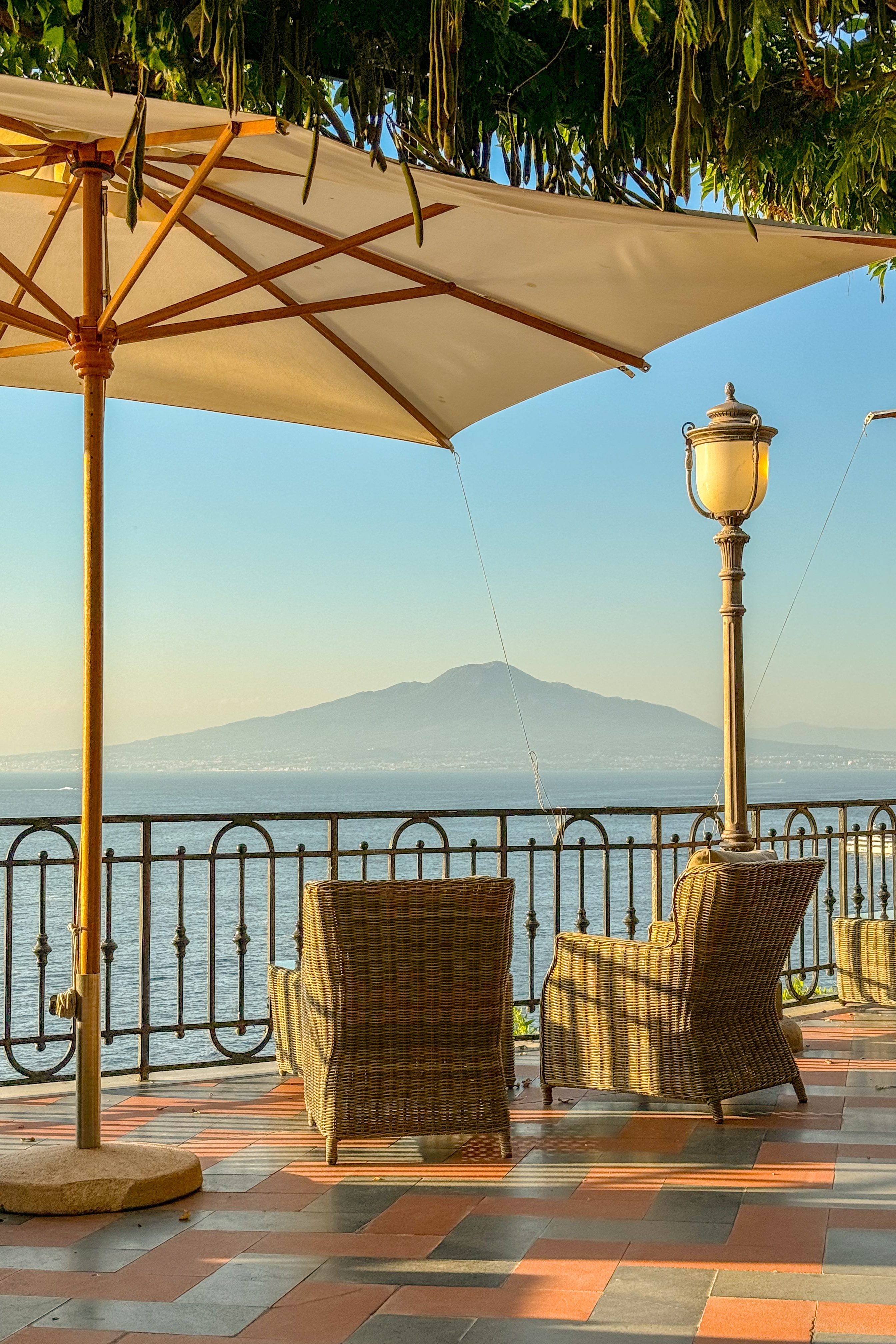
Dining, too, is pure theatre. On the Belvedere terrace, tables hover above lemon groves and the endless sea. Lobster pasta arrives so rich it distracts from the view, while a lemon risotto proves as suspiciously perfect as the sunset behind it. Evenings stretch into the Sparkling Garden, where ivy twines overhead and laughter drifts beneath candlelight, cocktails sparkling in the warm night air. Breakfast restores order with a pageant of fruit and pastries, alongside espresso strong enough to resurrect the gods. There is indulgence, certainly, but never heaviness: the menus balance Amalfi tradition with a modern lightness that lets you linger for hours.
Beyond its walls, Caruso orchestrates experiences with the same easy precision. A boat trip along the coast on Caruso’s private launch reveals hidden coves and sea caves, champagne tucked discreetly in the bow. Or perhaps a simple wander through Ravello’s piazza, returning to find your suite already scented with fresh flowers, windows open to the evening breeze, the day’s fatigue eased before you had even noticed it. Caruso seems always one step ahead, ensuring delight arrives before desire fully forms.
And then, inevitably, departure. As with all guests we lingered absurdly over a final espresso, as if caffeine might delay the reckoning before our private Mercedes whisked us silently to the airport (after signing the visitor book, with quill &ink, what else).
Caruso is not cheap, nor should it be. But value here is measured not in euros. It is measured in the sigh you give when leaving, in the stories carried home, in the limoncello recipes remembered long after the suitcase is unpacked. You depart poorer in wallet, richer in soul, and with Amalfi permanently stitched into your imagination. Between sea and sky, Caruso remains less a hotel than a memory made flesh, a place where luxury has learned the art of grace.
“You depart poorer in wallet, but richer in soul. Value measured not in euros, but in the sigh you give when leaving.”








Thirsty for more Negronis?



The Best Negronis in…..



Comments? Suggestions? Anything else you’d like to see?


Fitness / Wellness / Healthspan


Hotels
Check out my thoughts on some of my favourite hotels





 garychaplin.com