
Casa Cacao & El Celler de Can Roca
Girona, Spain
Casa Cacao
Casa Cacao is not so much a hotel as a hymn to chocolate, sung softly in Catalan and wafting through the streets of Girona. Recommended by friends who have owned La Fabrica coffee shop in the heart of the old town for 10 years, with the air of a secret too good to hoard, we came for six nights and discovered a place where hospitality and gastronomy are stitched so tightly together that one begins to forget where breakfast ends and the dream begins.
The Roca brothers, high priests of the triple Michelin Star awarded El Celler de Can Roca, [see below] need no introduction in these parts, but here they’ve turned their genius to lodging. Fifteen suites occupy a converted paper factory just off the river, reborn as a boutique property with chocolate at its heart. Jordi Roca’s imagination, Anna Payet’s operational grace, and the family’s alchemy infuse the walls: a café, a chocolate workshop, a rooftop terrace, and a hotel that feels both artisanal and quietly indulgent.
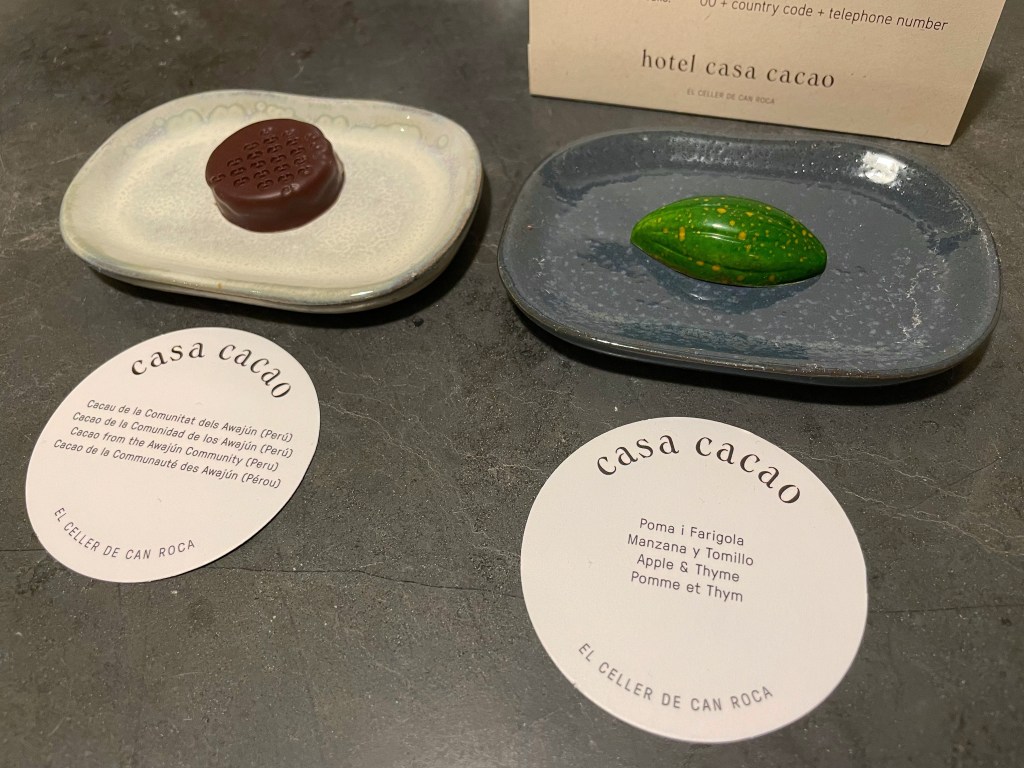
Our Junior Suite was vast and immaculate, Bassols linens soft as confession, cushions overstuffed with goose feather, carpets and plaids woven by Catalan artisans. The bathroom, all stone and light, featured rain showers and recycled wine-glass tumblers, tiny reminders that even the details had been coaxed into narrative. On the coffee table, a book, Casa cacao: El viaje de vuelta al origen del chocolate, charting Jordi Roca’s three-year pilgrimage to the jungles of Peru and Colombia, a reminder that the chocolate delicacies placed nightly beside the bed, were born of faraway communities he knows by name.
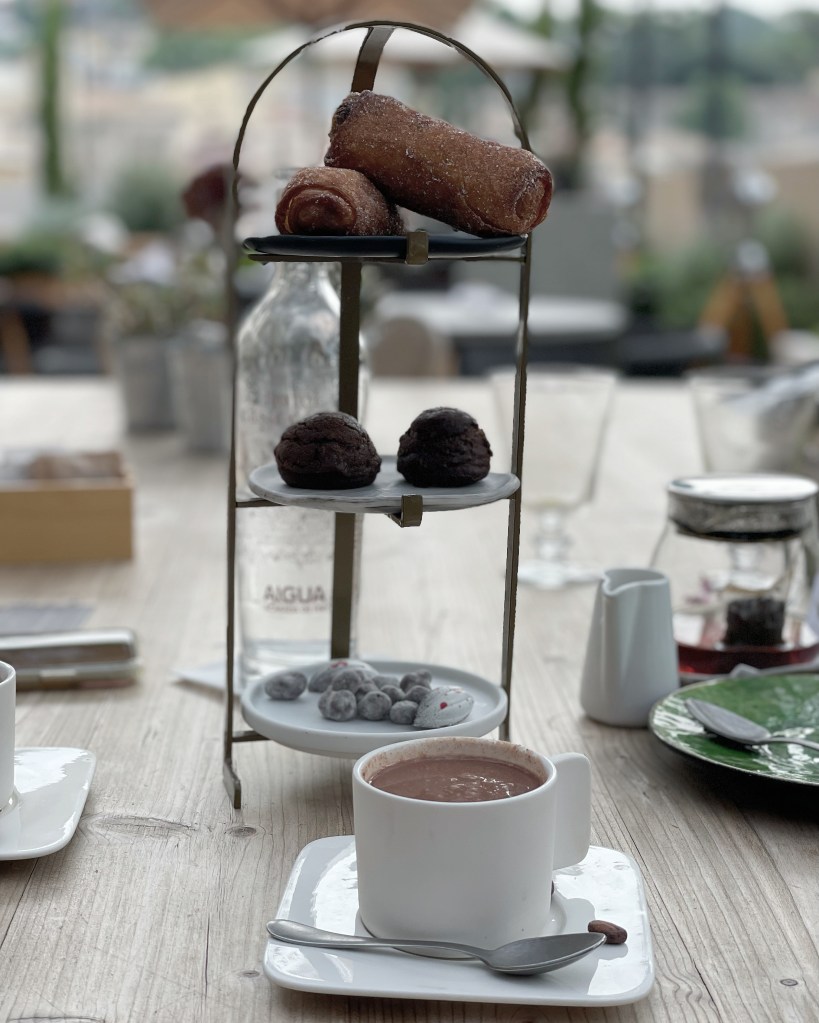
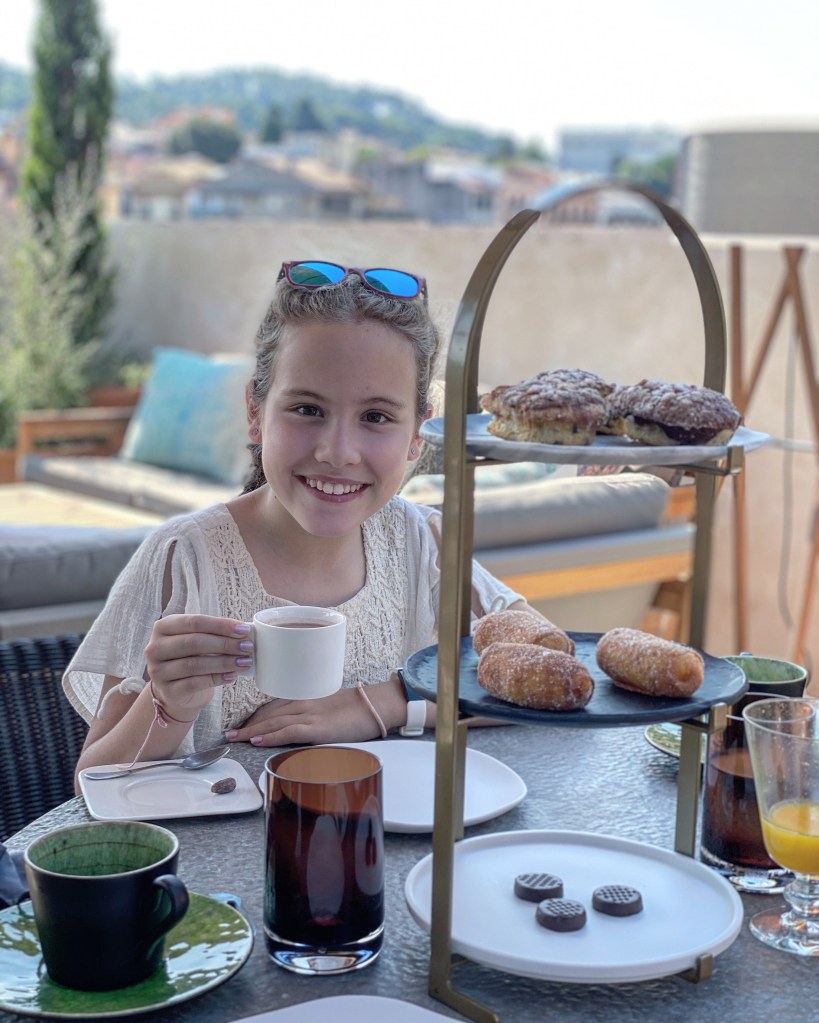
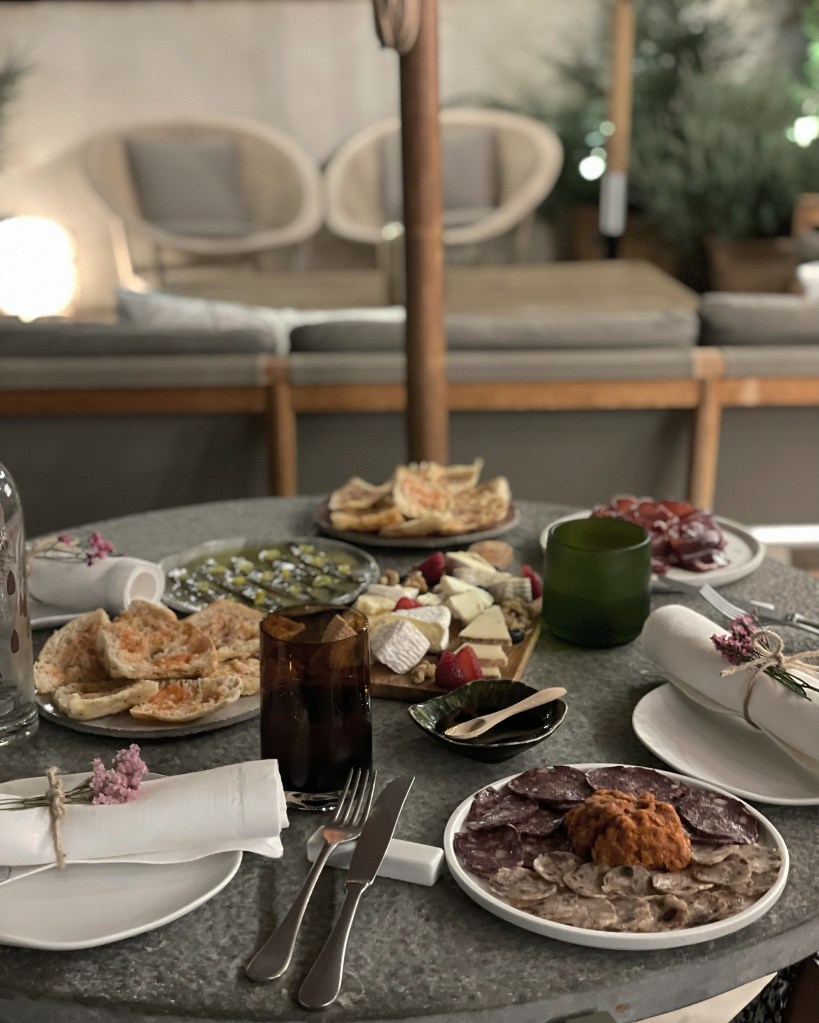
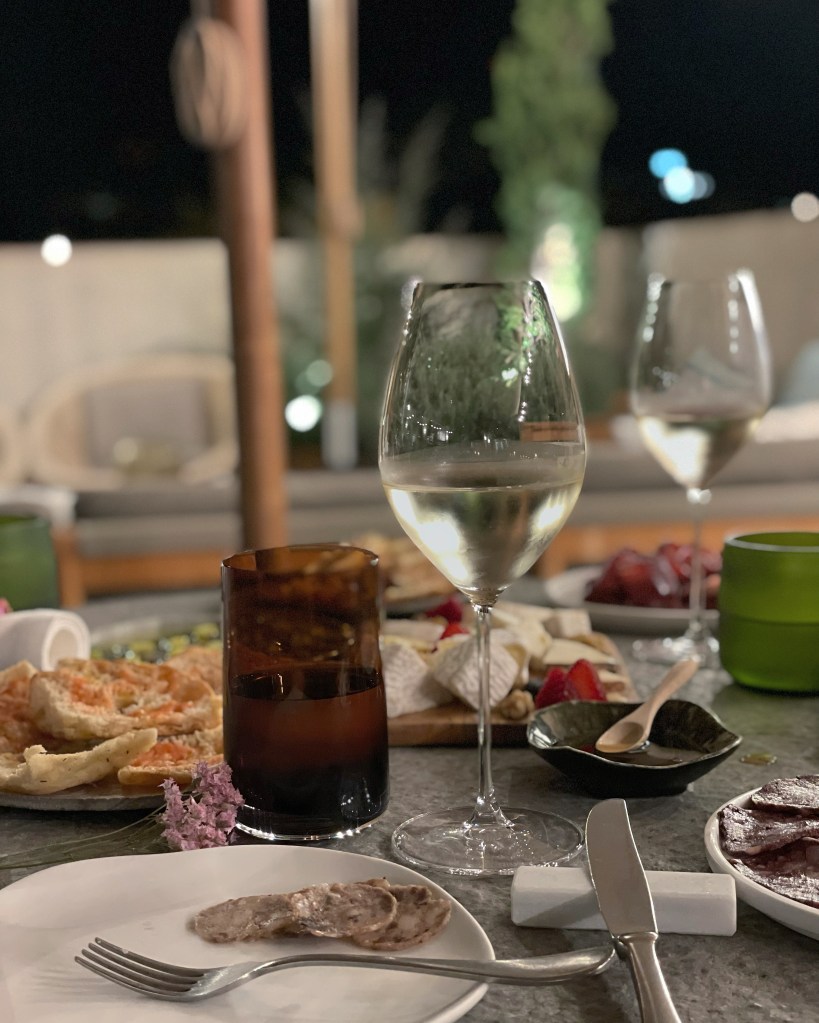
But it is breakfast that rewrites the rules. Some guests come only for this: seven courses, a tasting menu for breakfast, such indulgence. Yoghurt and fruit, Catalan pan de coca and ham, poached eggs fried like croquettes, lamb served with chilled red wine, pastries that could pass for dessert anywhere else, and chocolate, in liquid, solid, molten and powdered form. A hot chocolate so intense it silences conversation, cakes that look like sculpture, coffee arriving until you surrender. We lingered ninety minutes each morning on the rooftop terrace, the coloured houses of Girona’s Old Town reflected in the river below, sunlight painting the cathedral beyond.
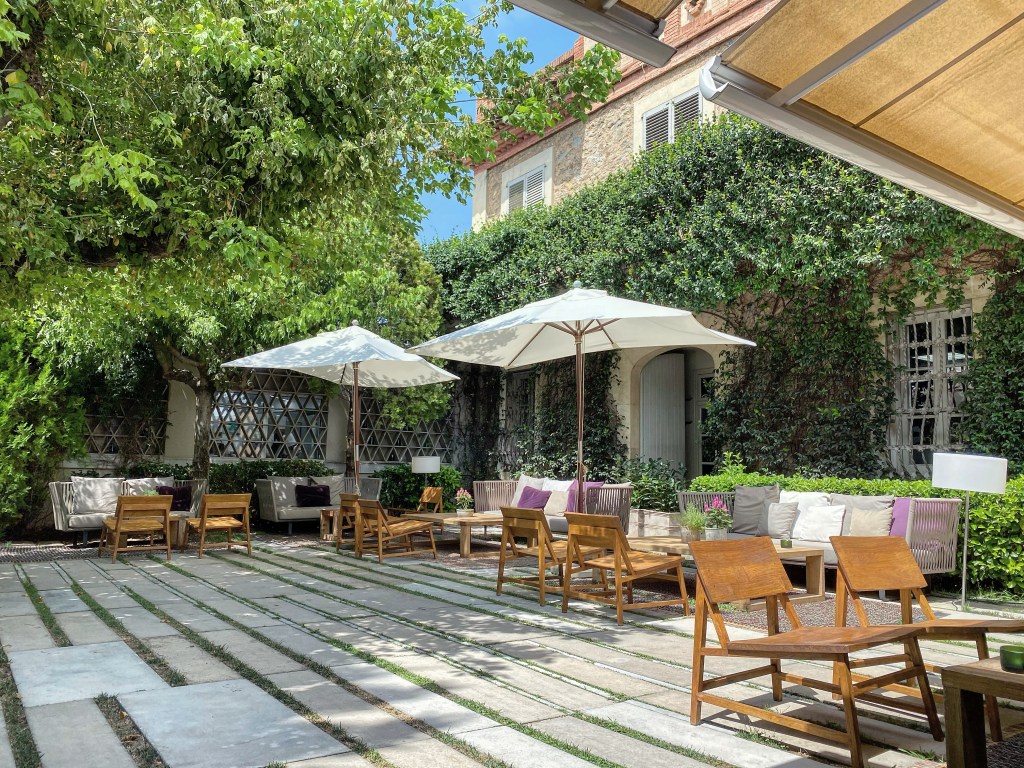
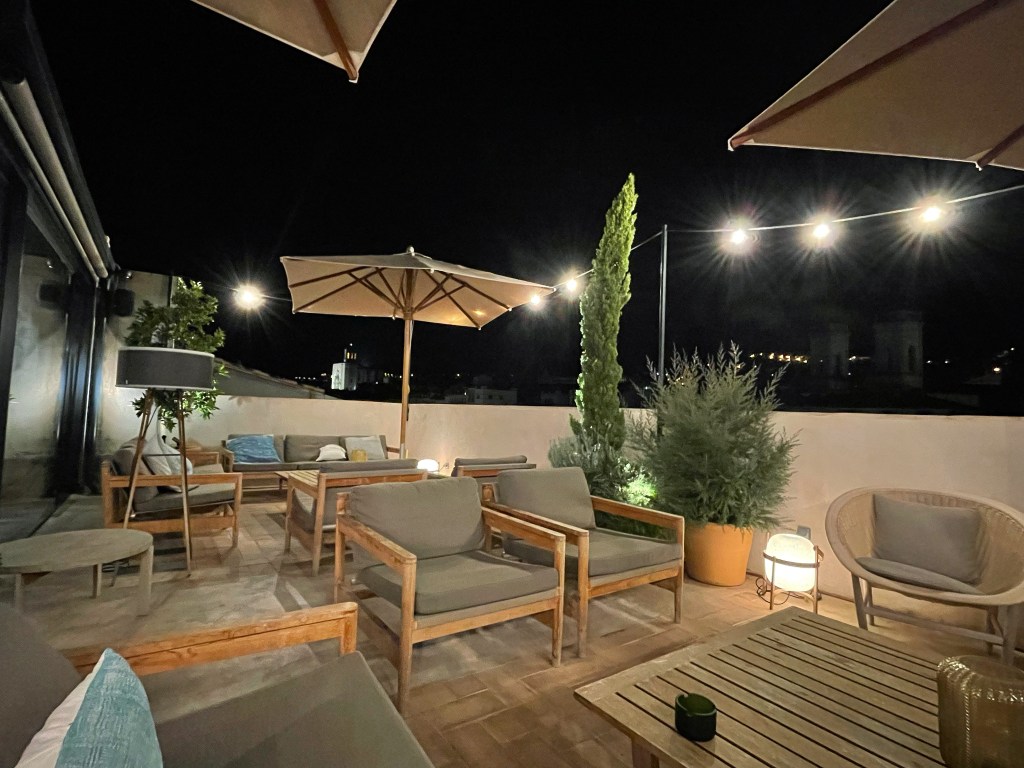
The terrace itself is a phenomenon: unexpectedly large, alive with residents and locals alike who come for lunch or an evening drink, enchanted by the views over the city. To sit there at dusk, when Girona softens into gold and the river swells with colour, is to feel you are in possession of one of Europe’s quiet great secrets.
The staff are the other revelation. Polished but never prim, they glide with an ease that makes you feel both indulged and at home. Anna Payet herself greeted us with warmth that set the tone, the sort of smile that makes you forget you are technically checking in. When we asked for less formality on some mornings, breakfast adjusted itself without fuss.
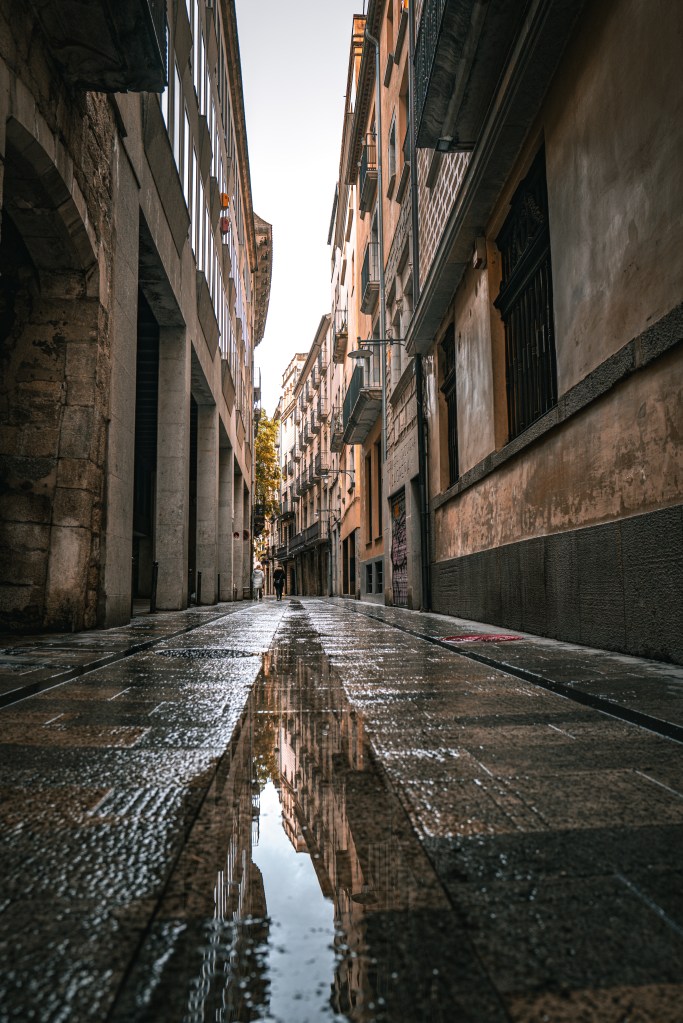
We left reluctantly, as one does after a week in a place that gets under the skin. Girona remains outside the door, the old town, the Rocambolesc ice-cream parlour, the cathedral towers, but inside Casa Cacao, time is slowed, sweetened, rendered molten. It is a hotel, yes. But more than that, it is a story you can taste.
We will be back. And next time, we may even leave room for dinner.
“Casa Cacao is not so much a hotel as a hymn to chocolate, sung softly in Catalan.”
El Celler de Can Roca
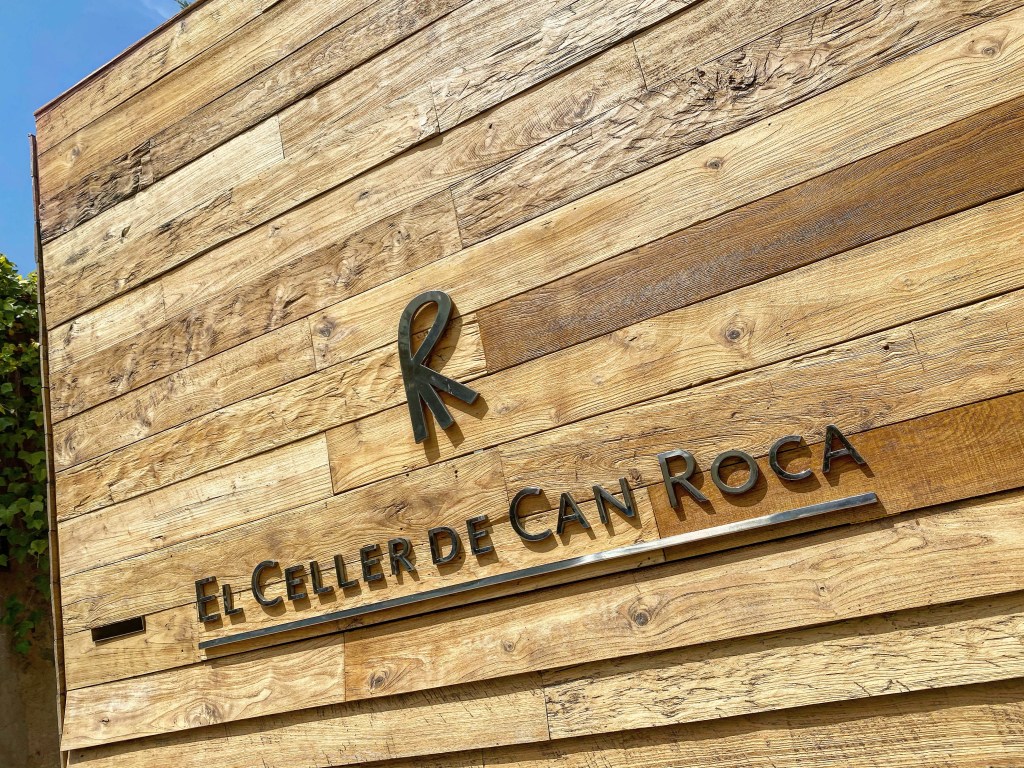
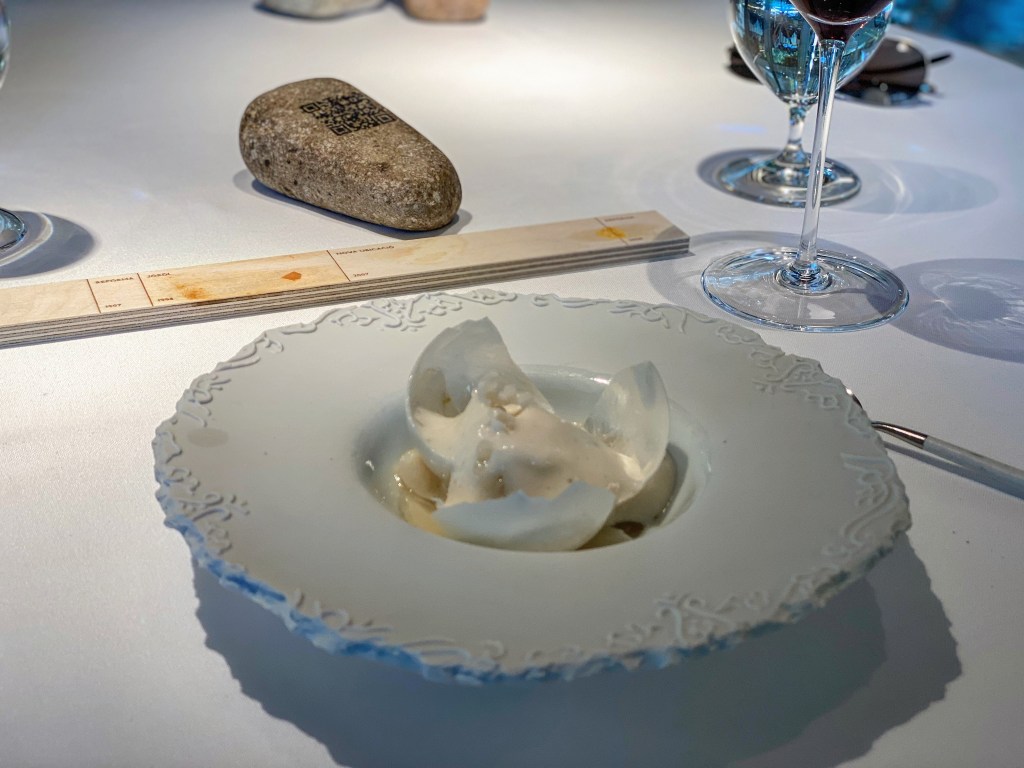
El Celler de Can Roca does not look like one of the greatest restaurants on earth. It sits in a quiet Girona neighbourhood, its modern wooden façade at odds with the whitewashed concrete blocks around it, as if a spaceship had landed discreetly between the apartment balconies. Up the street, the Roca brothers’ parents still run their humble bar, where Joan and Josep first learned their trade in the basement. By 2000, their younger brother Jordi had joined them, completing the trinity: Joan the chef, Josep the sommelier, Jordi the pastry magician. Three brothers, three stones on each table, three consommes to start the meal. It is less restaurant, more family story told in edible chapters.
My God, we fell lucky. Staying at Casa Cacao, we found ourselves talking with Anna Payet about El Celler when her phone pinged: two diners had just cancelled, casualties of Covid (this was 2022). She turned to us with the kind of smile that alters the course of holidays and asked if we might like their table, two days hence, lunch only, fixed time. We accepted before she could finish the sentence. Standard wait? Between one and two years. And yet here we were, handed the keys to triple starred gastronomic nirvana.
We met Josep on the pavement outside, where he was escorting friends into the restaurant. Recognising us as guests, he placed a hand over his heart, bowing repeatedly, whispering “thank you, thank you” as if we were the ones doing him the favour of attending. That humility runs like a current through the place. For all its Michelin stars and its place among the world’s best, El Celler receives you not with hauteur but with a warmth bordering on gratitude.
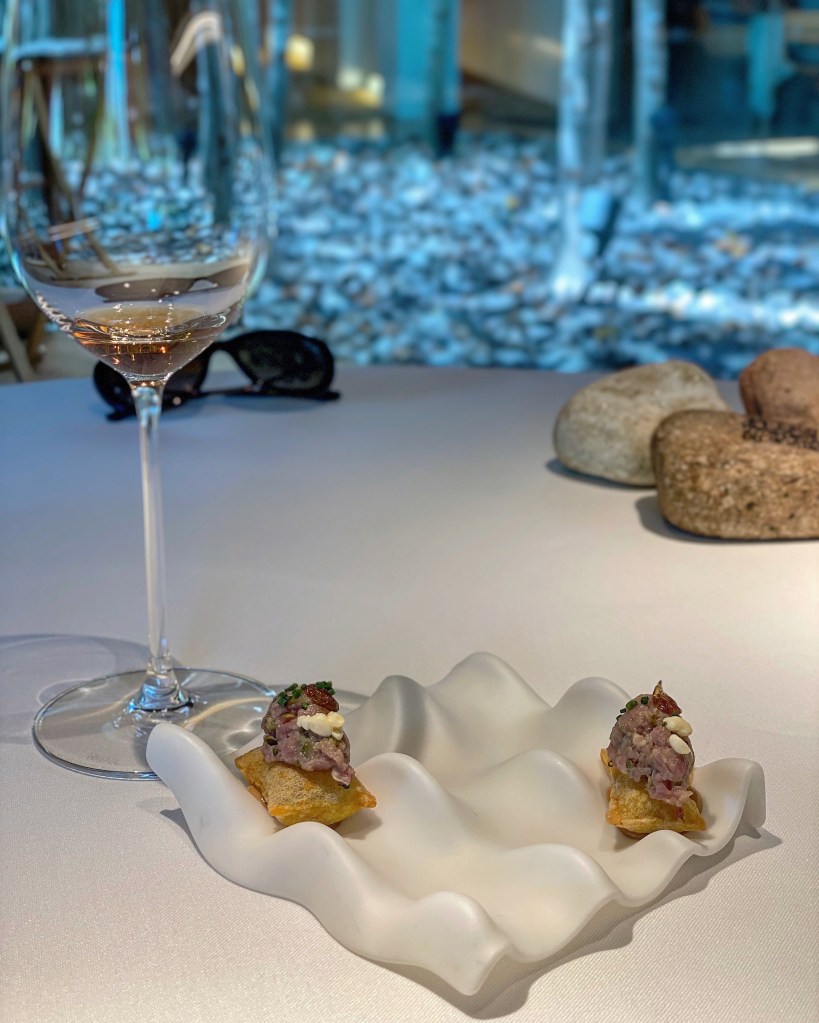
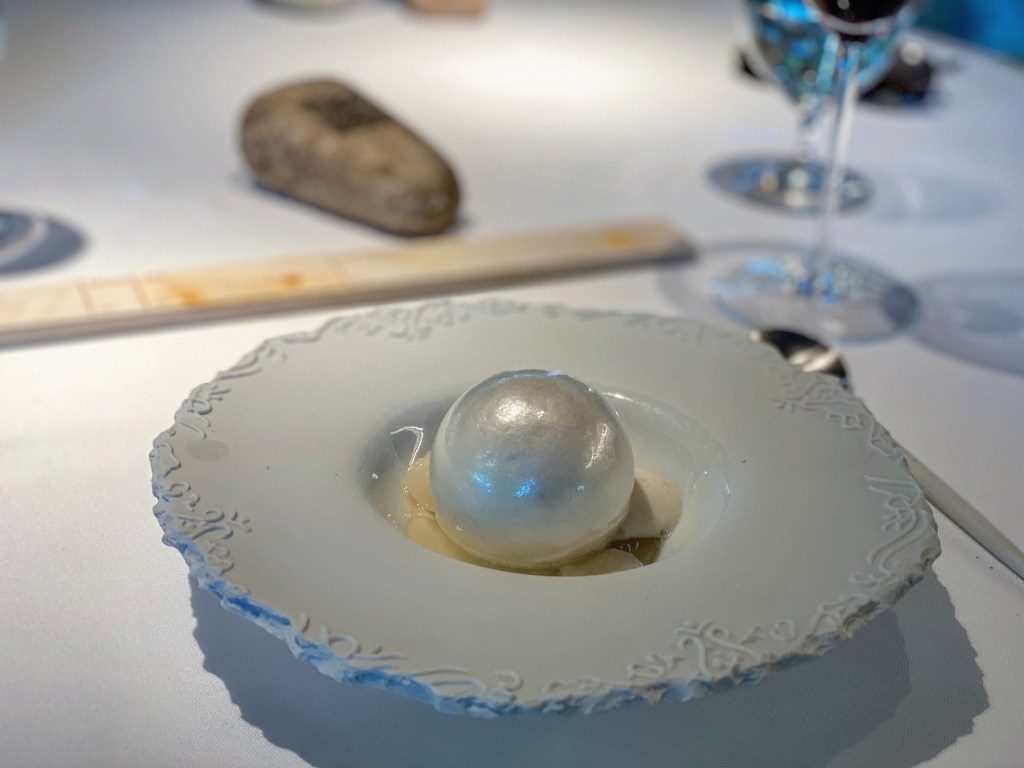
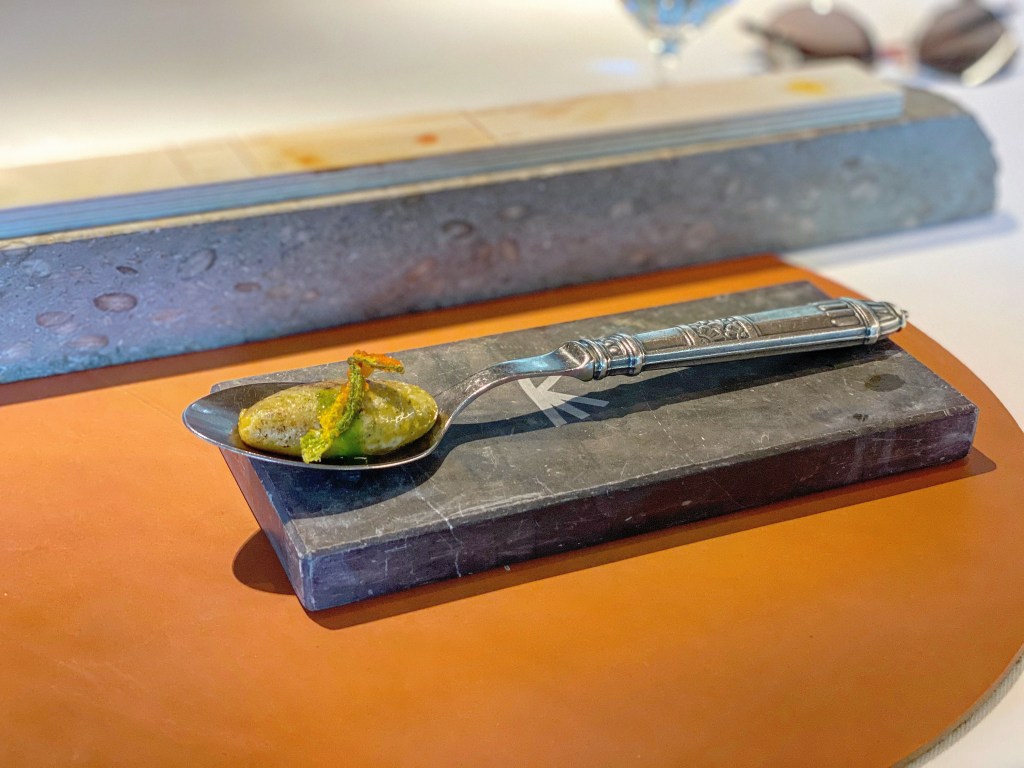
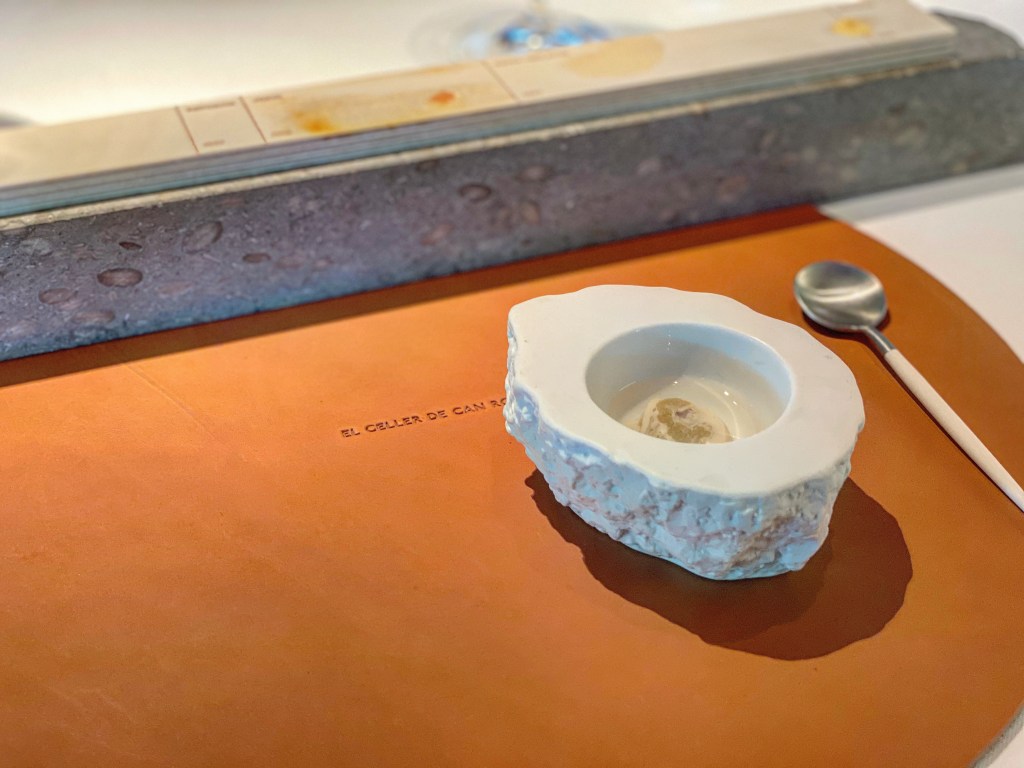
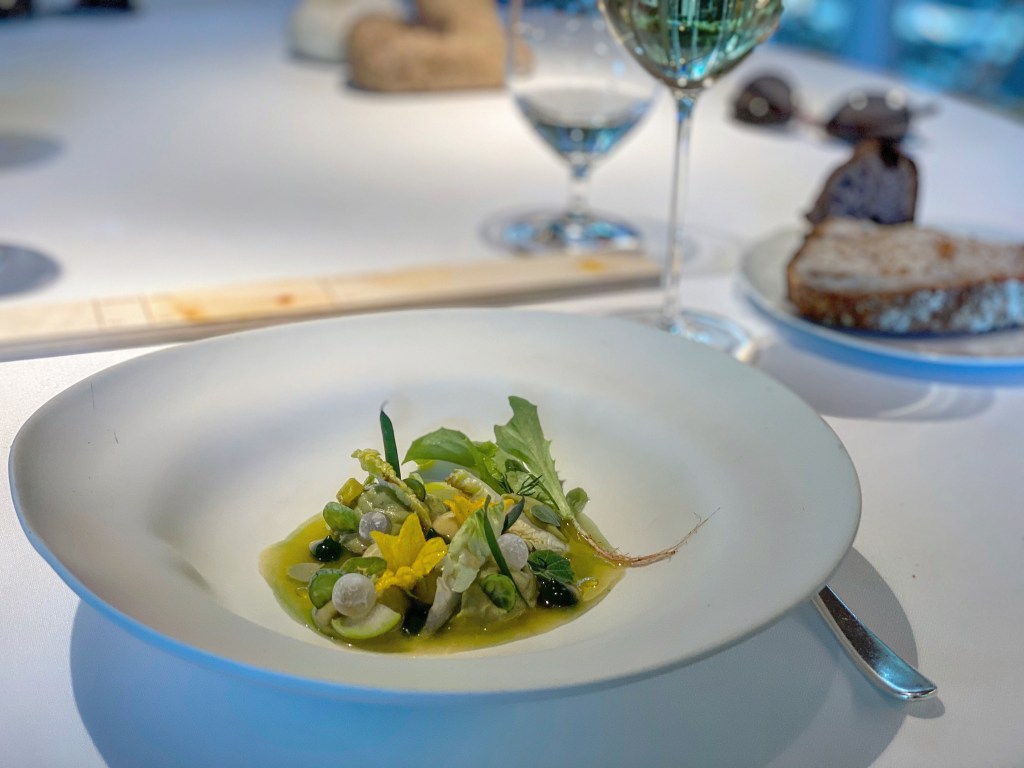
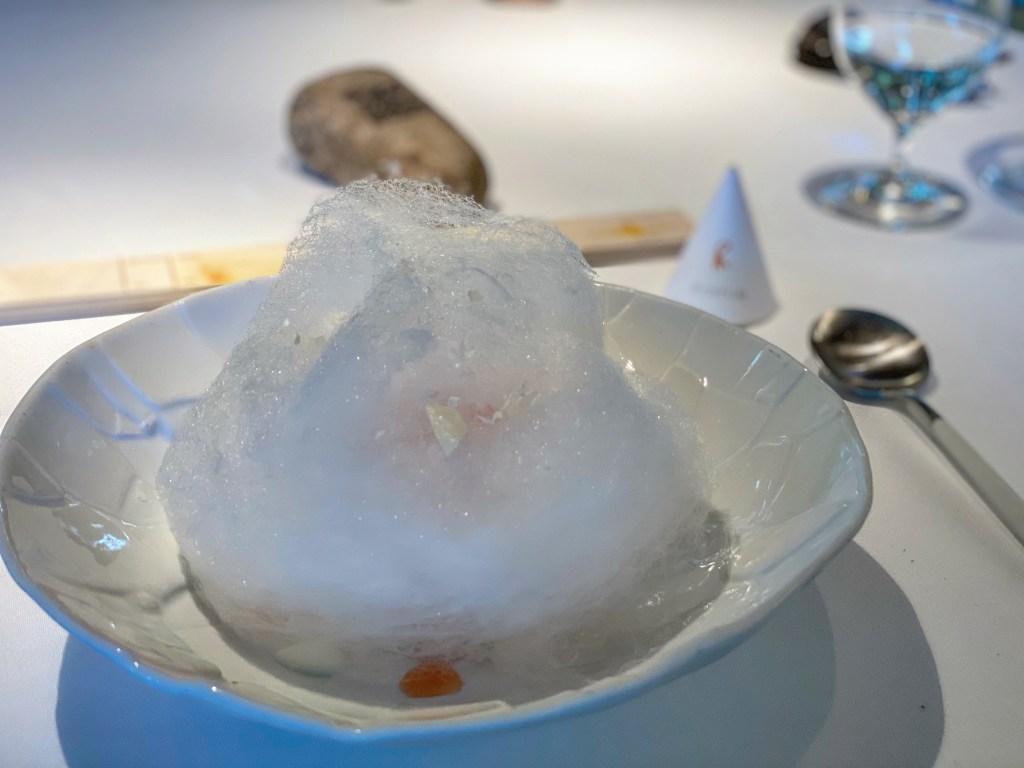
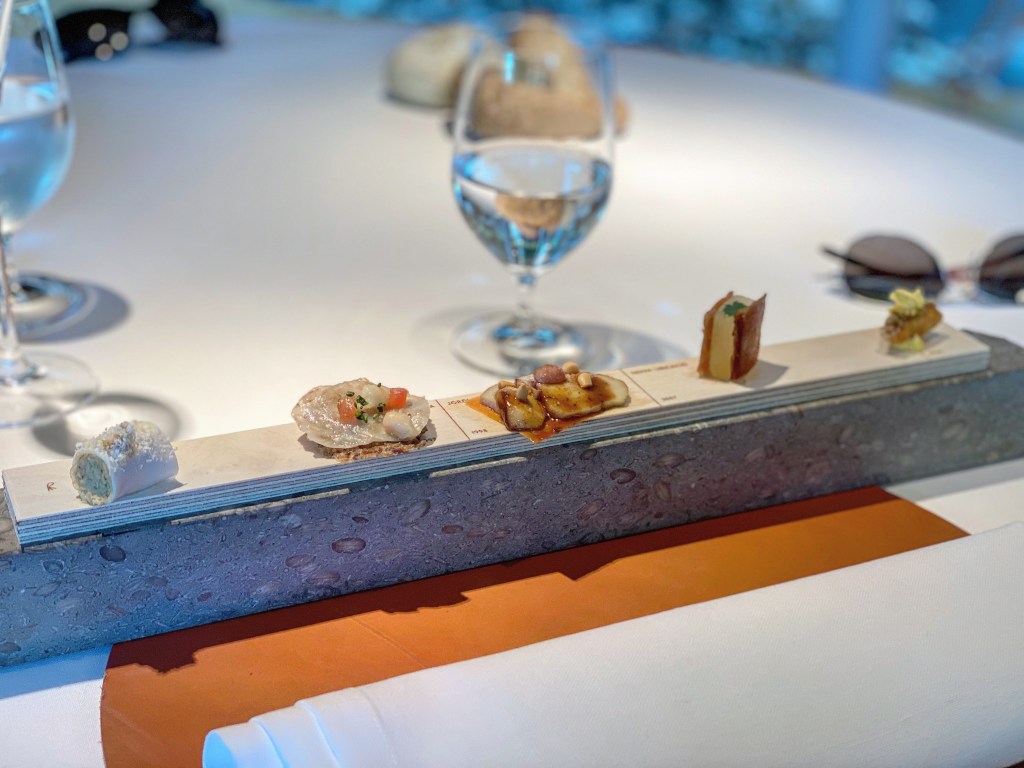
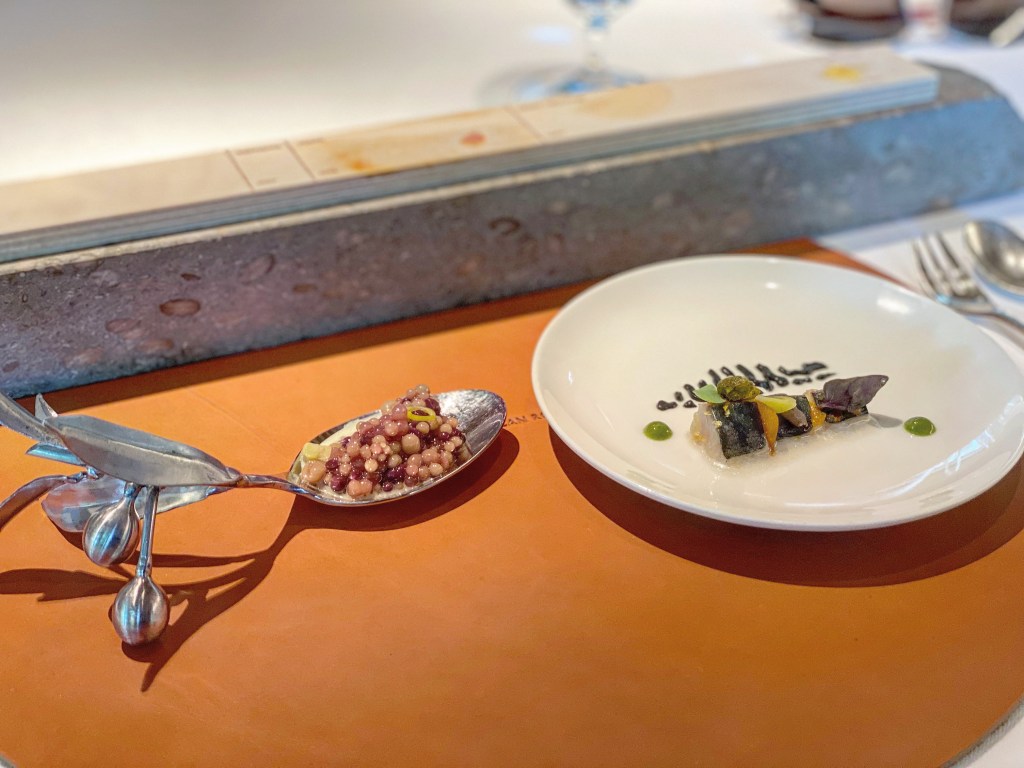
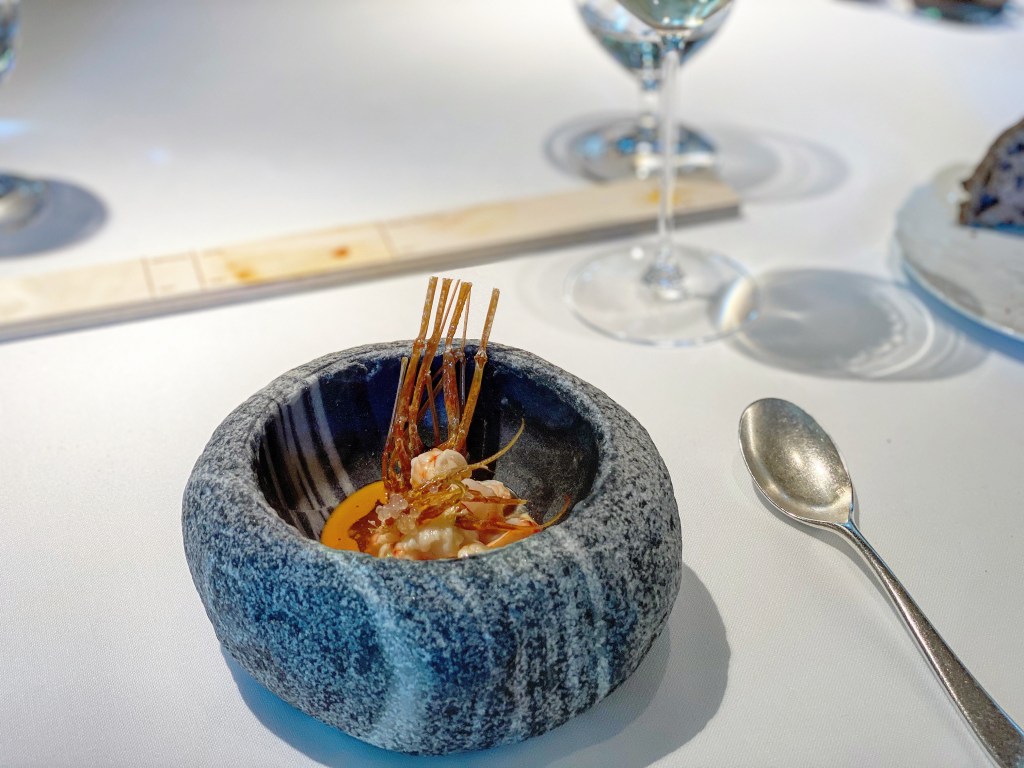
The dining room is a triangle of glass around a small indoor forest, fifteen tables at most, hushed but alive with anticipation. There is energy here, a low hum you can feel before the first plate arrives. And what plates they are. We chose the shorter tasting menu, a modest seven courses, preceded by ten amuse-bouches that arrived like postcards from far-off countries, each one a wink before the main narrative began. Every dish felt like theatre, presentation matched only by taste, and when paired with the extraordinary wines Josep poured with priestly devotion, each course became part of a larger symphony.
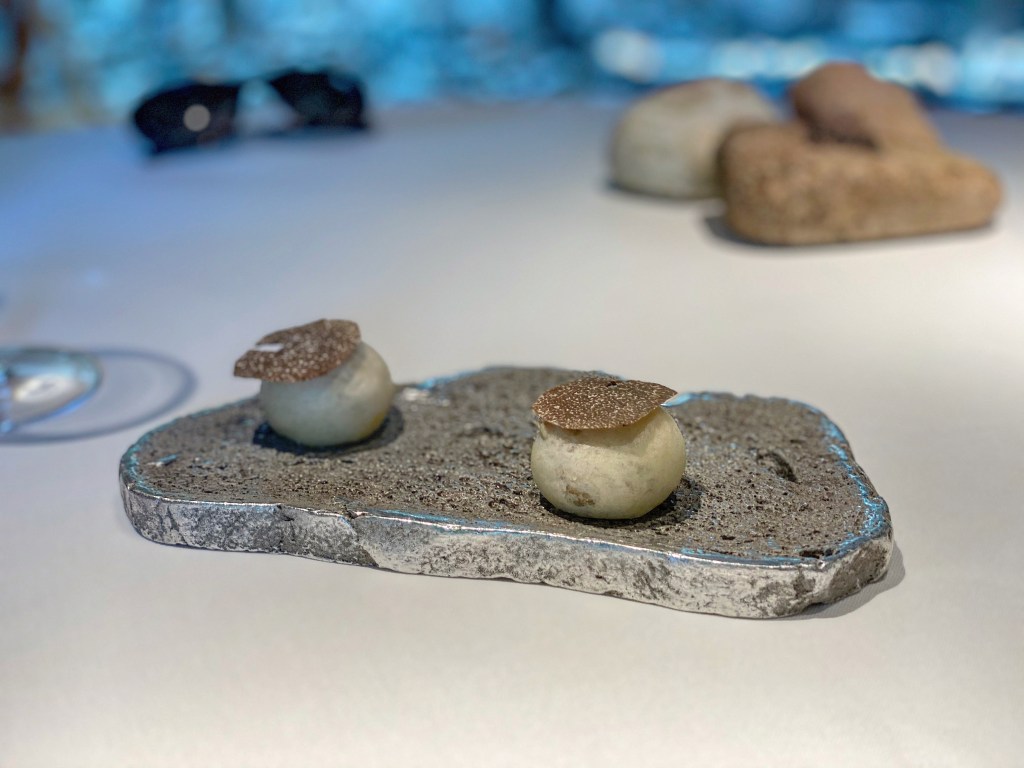
What astonishes is not molecular sleight of hand, there is little of the spherification and trickery once fashionable up the road at elBulli. Here, ingredients remain true to themselves, the magic residing in their orchestration. A mushroom bread arrives dense, steamed, an umami bomb; its partner follows, featherlight, filled with ice cream, cleansing the palate with the very same ingredient. Razor clams arrive married to chickpeas, a combination that ought to puzzle, yet sings with perfect harmony. A tiny brownie-lookalike reveals itself as a trinity of brothers: truffle and foie gras from Joan, chocolate and hazelnut from Jordi, and a fine wine note from Josep.
The wine pairings are not afterthoughts but central characters. We tasted two vintages of the same vineyard, father to daughter, same vines, same soil, utterly different expressions. With each pour came a story: of owners, of heritage, of continuity. By the second glass you understood that wine here is narrative, not beverage.
Service, too, is as precise as it is invisible. Staff hover without being seen, answer without intrusion, appear and vanish as though choreographed. Even when one guest made a clumsy remark to a server, it was deflected with grace and the room’s spell never broke. It is service as theatre, perfectly cast.
Hours pass unnoticed. Lunch and dinner are indistinguishable save for whether you leave in daylight or starlight. We lunched and after five hours rose neither overfaced nor wanting more, but perfectly sated, as though appetite itself had been measured with calipers.
On leaving we encountered Josep once more, joined by Jordi, both thanking us as though we were benefactors rather than beneficiaries. How does one thank chefs of this calibre? To say “it was so good” feels insultingly thin. Yet perhaps that is the final trick of El Celler de Can Roca: that it leaves you speechless, searching for words equal to the experience, and finding only the memory of flavours that refuse to be translated.
Reservations are a trial, waits can run to years. We were lucky, snaring our table without delay. But make the effort: take the train, plane or automobile to Girona, walk past the parents’ bar, step into the triangle of trees, and let the brothers tell you their story. It will be, as it was for us, a meal of a lifetime.
“Every inch of El Celler is about these three brothers, their story, their ingredients, their imagination made edible. An experience fit for the stars. Three Stars.”


















 garychaplin.com