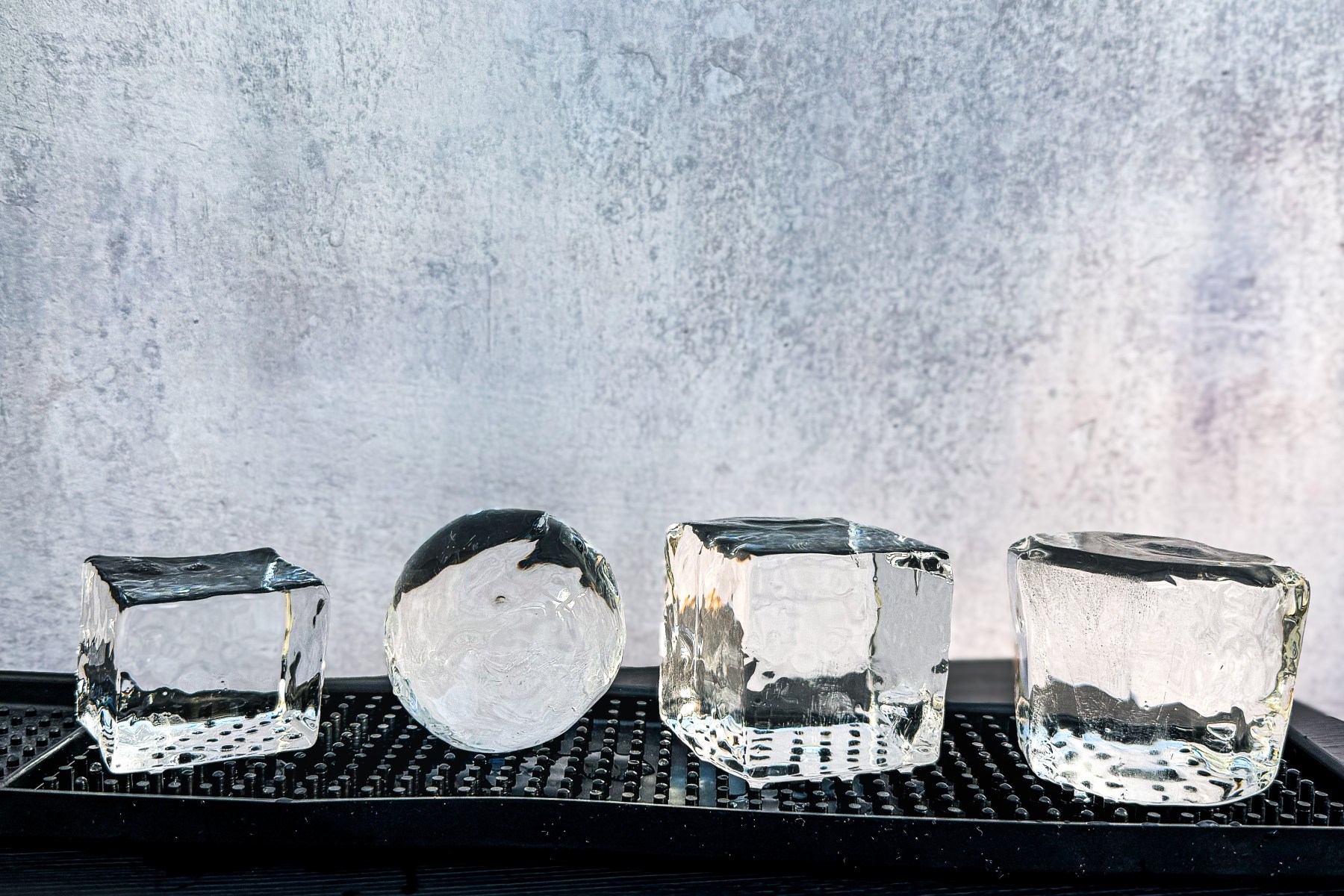
Clear Intentions: The Art behind Crystal Clear Ice
Remember a perfect cocktail bar you went to?
With a perfect smart & dapper bartender?
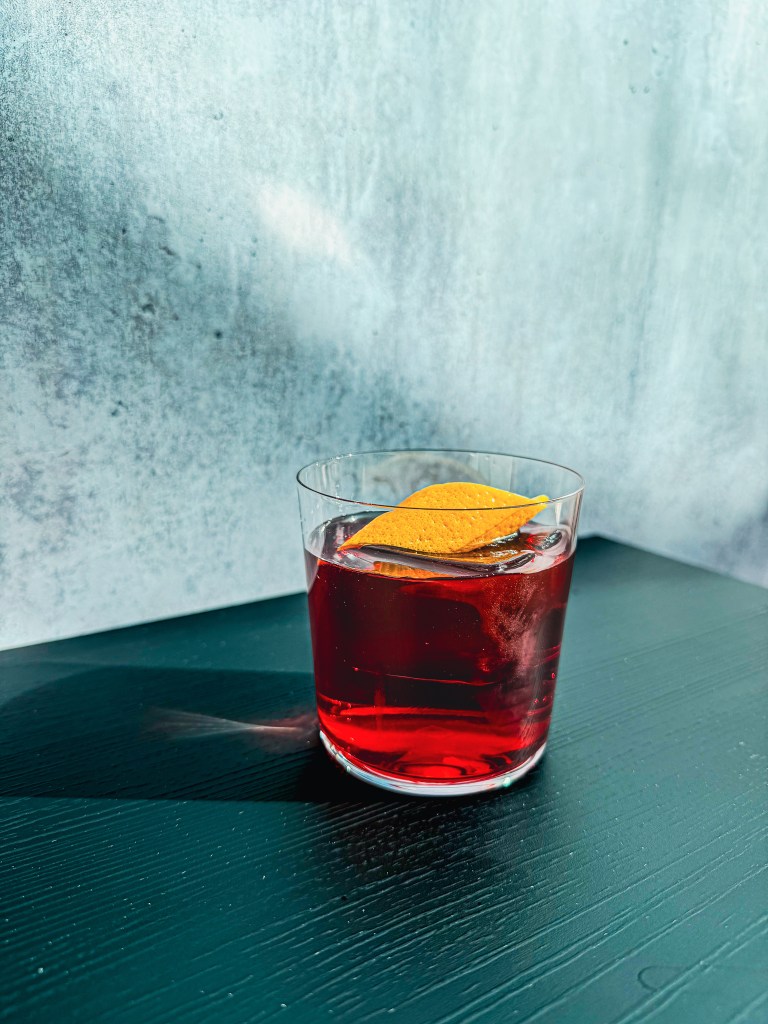
Where they presented that perfect Negroni (or lesser cocktail).
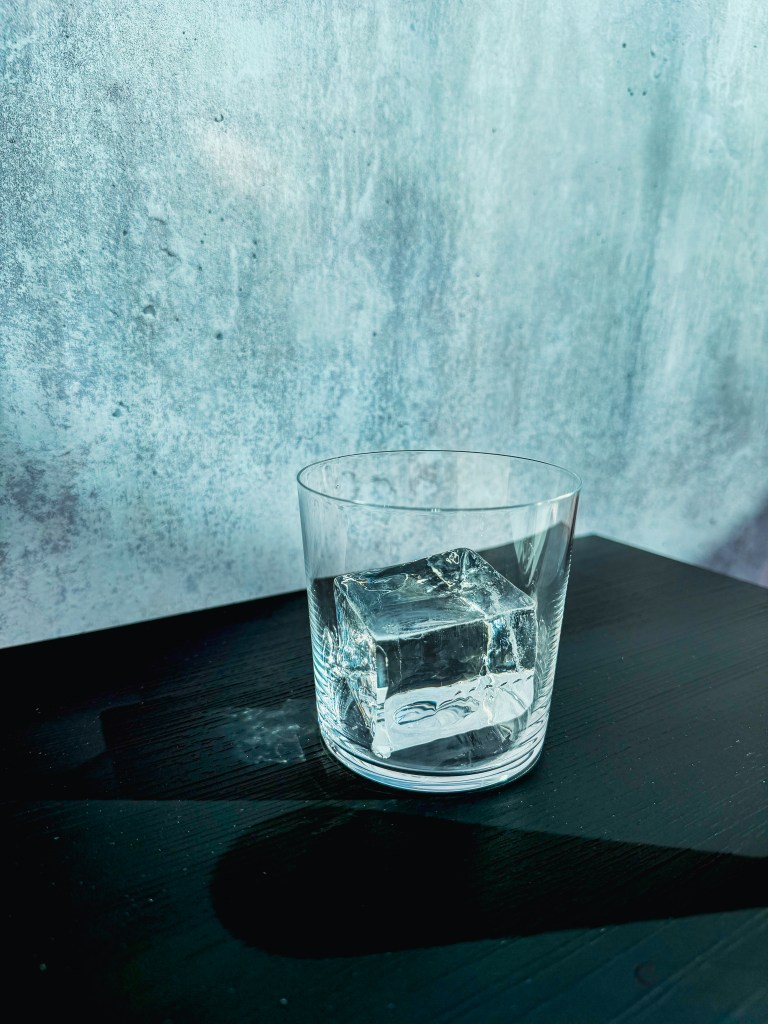
It was placed down in front of you like theatre. And before you even touched it, you knew it would be amazing because of the attention to detail….and the perfectly clear large ice cube.
You can tell a lot about a bartender by their ice. The lazy ones don’t think about it at all, cloudy, cracked cubes rattling around like regret. The good ones? They care. And the great ones, the ones who stare down a mixing glass like it owes them money, they make their own.
Crystal clear. Solid. Silent.
So how do you get perfectly crystal clear ice?
The answer? Directional Freezing. The slightly obsessive, deeply satisfying secret behind those flawless cubes that make your Negroni look like a jewel in a tumbler.
What the Hell Is Directional Freezing?
You’ve actually seen it before, nature’s own slow magic. A lake in midwinter, frozen clean across the surface, clear enough to see the weeds and stones below. That’s directional freezing in the wild, cold air working from the top down, layer by layer, pushing air and impurities deeper with every inch. The result is that flawless, glassy crust that looks almost supernatural. But it isn’t supernatural. It’s just physics.
In the 19th century, before anyone thought to call it “directional freezing”, or had ever heard of a Negroni, ice merchants were sawing perfect cylinders of lake ice and hauling them into horse-drawn wagons. The clear centers were prized, pure water frozen patiently from above, dense and crystalline. The cloudy edges, where air and minerals got trapped, were chopped away and left to melt back into the snow.
Fast-forward a century or so, and we’ve traded ponds for freezers and patience for convenience. The result? Those sad, cloudy cubes rattling around your glass like chipped teeth. The problem isn’t your water, it’s your method. Your freezer attacks from all sides, freezing fast and furious, trapping air dead-center like a fossil in amber.
Enter directional freezing, the way to bring a little old-school craftsmanship back into your modern cocktail. Instead of letting chaos take over, you guide the freeze.
The technique was rediscovered and perfected in 2009 by Camper English, a spirits writer who turned his kitchen freezer into a one-man lab. After months of trial and error, he cracked the formula with something you can buy at B&Q or any camping shop: a small, hard-sided picnic cooler. No electronics, no gimmicks, just controlled freezing from top to bottom. It worked. And soon every serious cocktail bar, and the more obsessed home bartenders on YouTube, were chasing that same quiet perfection.
The Science (and Why Your Ice Looks Like Frostbite)

Normal ice cubes are a frozen metaphor for human imperfection, they start clean and end messy. Cold air hits the tray from all sides, the outer layer freezes first, and as the remaining water solidifies, it traps every microscopic air bubble, mineral, and impurity dead-centre. That’s your cloudy core, not bad water, just bad physics.
Directional freezing flips that script. It’s the same logic as a frozen lake: let the cold hit from one direction, and the freezing front pushes all the junk to the last part to freeze, which you won’t use. What’s left is pure, dense, clear ice. Not alchemy, not luck, just patience and insulation.
Why Bother?
Because we’re not savages(!) It’s about aesthetics. We drink with our eyes before our mouths and a perfect clear ice cube is a thing of beauty.
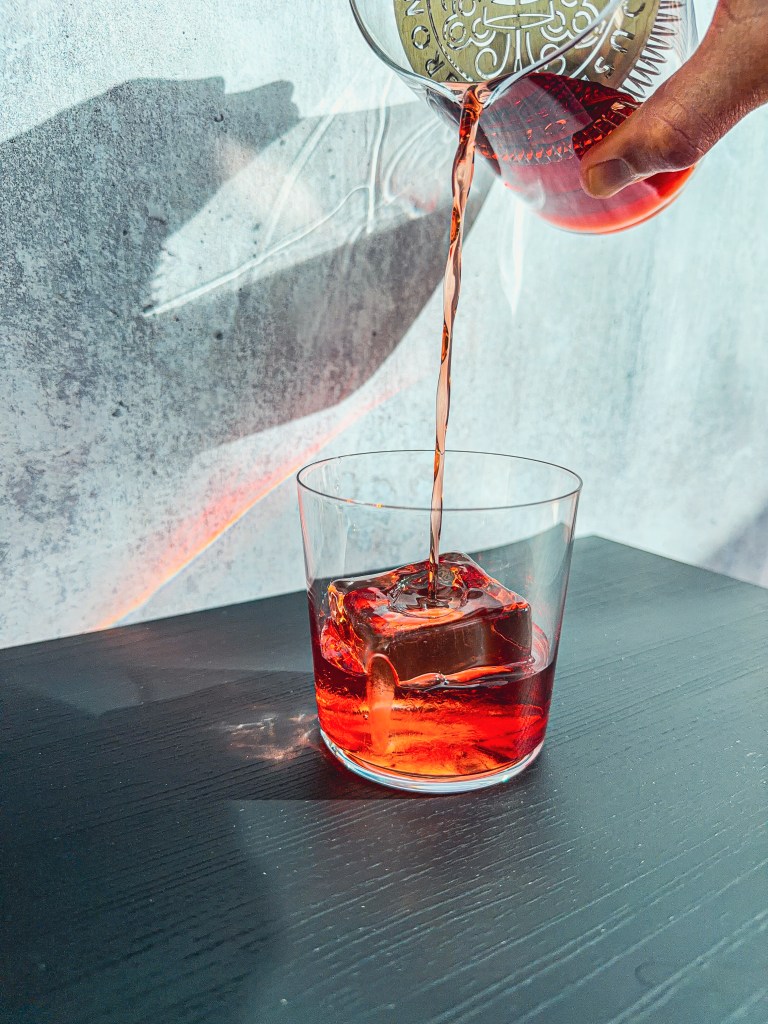
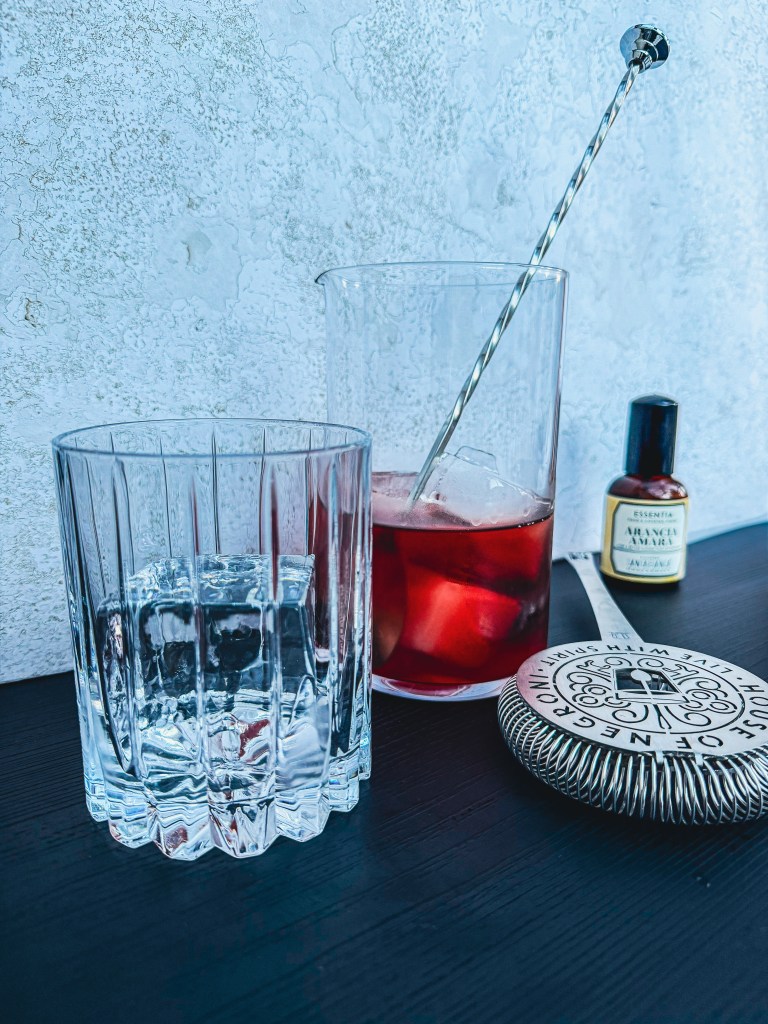
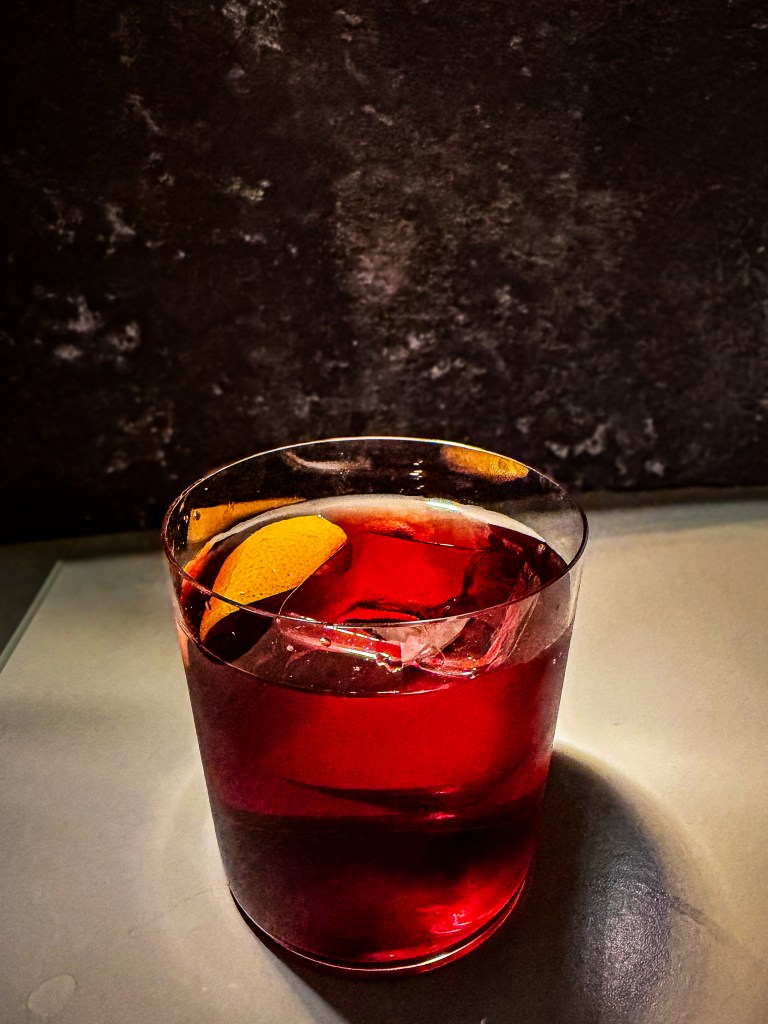
But clear ice doesn’t just look better; it melts slower. Less dilution, more control. It’s denser, colder, and free from the ghostly white bubbles that make your Negroni look like a snow globe. And when that light catches it just right, refracting through ruby-red Campari and a twist of orange peel, it’s pure theatre.
So yes, it takes a little effort. But effort is the point. The same reason we stir instead of shake. The same reason we care about the vermouth brand or the garnish angle. Because craft matters.
And if you’re the kind of person who has just read 700 words about ice, you already get that 😉


The Simple DIY Cooler Method
Here’s what you need:
• A small, hard-sided picnic cooler (something that fits in your freezer, 5 to 9 litres is ideal).
• Water. Tap is OK (warm is better) or true condensed distilled water is even better.
• A freezer around 0°C to -5°C. Not arctic. Just cold.
Pour the water into the cooler, lid off, and place it into the freezer. Then wait, 24 to 36 hours usually does it. The top will freeze first, clear as conscience, while the bottom stays liquid and cloudy. Pull the cooler before it’s frozen solid, flip the block out, and cut off (or melt) the cloudy end.
You now have what every cocktail deserves: pure ice.
The Cheat/Smart Methods
The DIY/Cooler method does work, and works well. But I’m always a fan of throwing money at a problem to make it easier. I’ve got three different bought devices that craft perfect crystal clear ice without effort. The first two are under £100 and simply fit in your freezer, an investment, but with comfortably acceptable ROI.
Ice.Made.Clear

Joseph Myers similar obsession with clear ice has led to a near faultless, dead simple product. A development of the cooler idea above, but bespoke. Ice trays with different sized cubes (including the ‘go-to’ 2” bartender’s cube), crucially with holes in the bottom of the silicon tray and more than enough space below in the container to allow all the impurities to collect BELOW the cube. The result is a tray of perfectly clear ice cubes straight from the mold after 24 hours in the freezer. [Tip: use warm tap water for best results]
NAISU
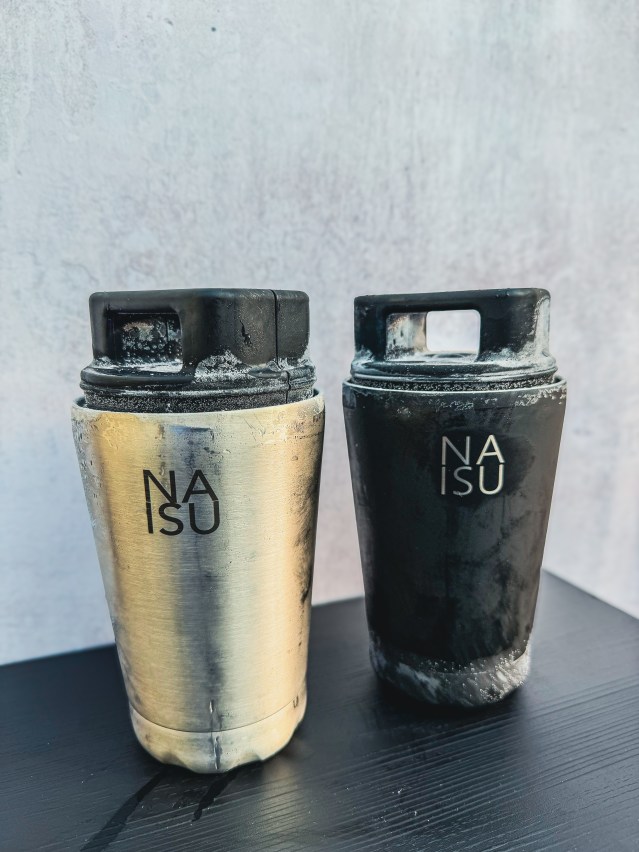
Beautifully compact but just makes one sphere/diamond at a time (no cube option). Fill with water, place the mold in, top it up and place in the freezer. Takes 18-24hrs in a standard domestic freezer. Dead easy, not 100% as I always get a few millimetres of cloud at the bottom, but easily melted away. [Tip: Warm tap water works better than cold, distilled water works better still, but let the mold sit at room temperature before opening; the denser ice clings to the mold]
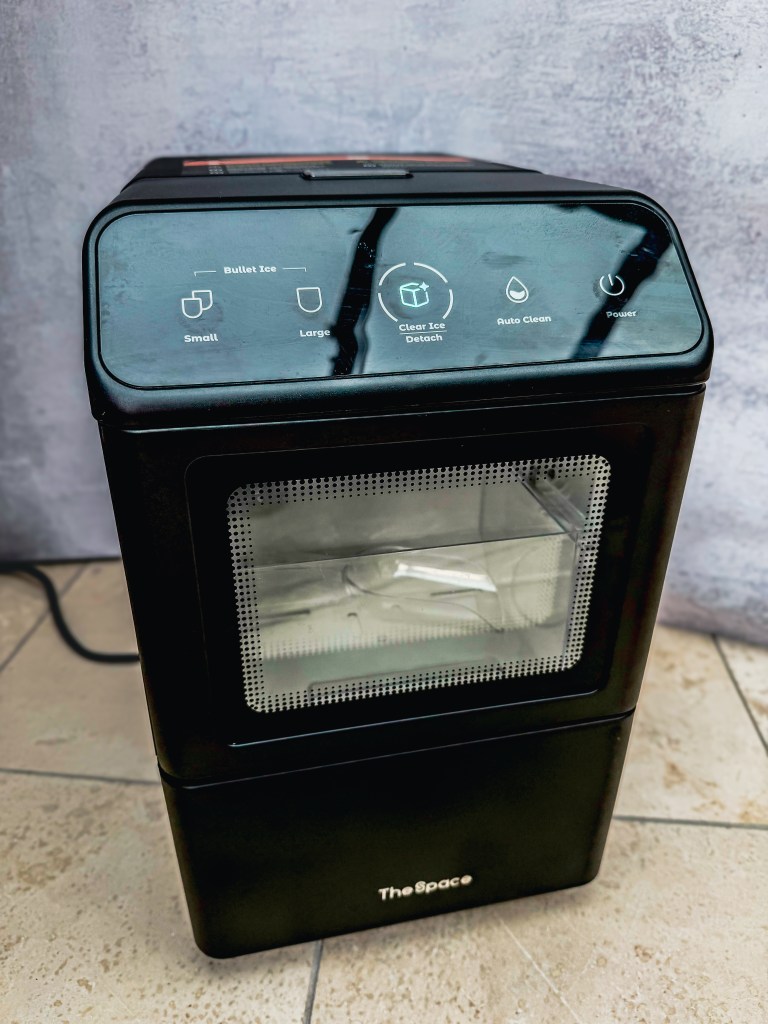
The Space IceDuo
This one really is an investment at around £500 but it is also the easiest to use and a step towards a commercial solution. A completely stand-alone, one-touch device, simply place the four molds (large cubes or spheres) into the IceDuo, pour water in to the mold compartment, turn it on and 8-12 hours later you have perfectly clear large 2½” ice cubes/spheres. [Tip: Use fully condensed distilled water for the best results]
It also makes bullet ice (clear or normal) and even auto-cleans itself.


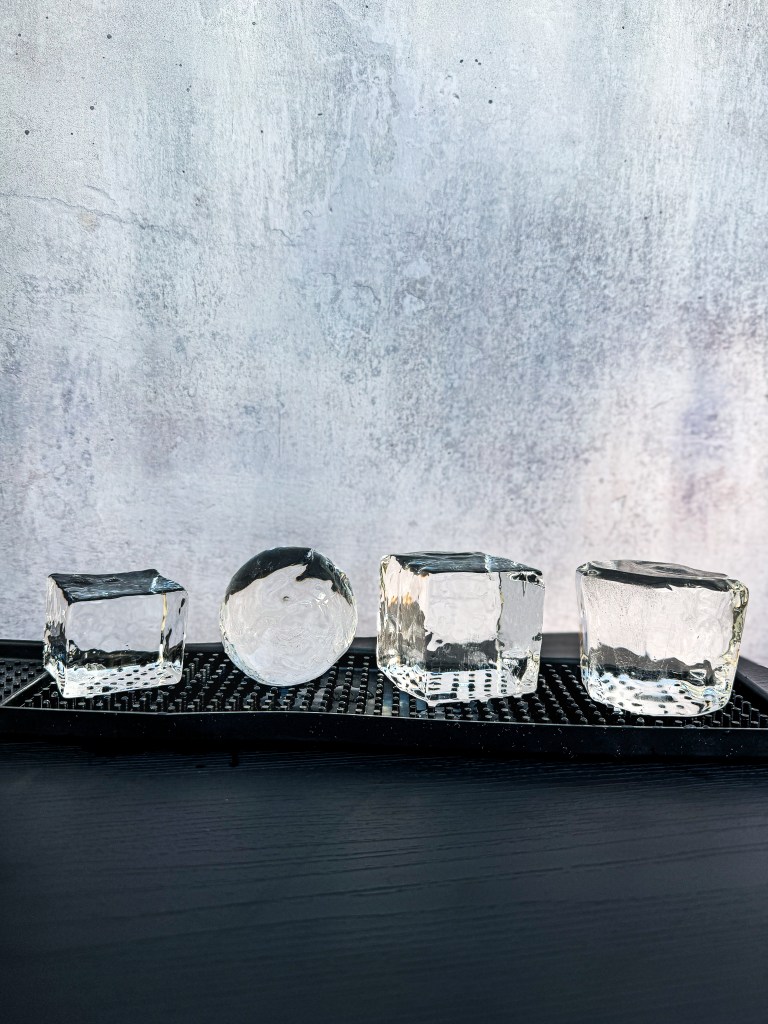
There we have it, perfectly clear crystal ice. Most people will never notice the difference. But you will. Clear ice is the quiet flex of the home bartender, the subtle nod that says you give a damn. Make your Negroni (or lesser cocktail) look as good as it tastes.
The Negroni Files




The Best Negronis in…..



Comments? Suggestions? Anything else you’d like to see?


Fitness / Wellness / Healthspan

Hotels
Check out my thoughts on some of my favourite hotels







 garychaplin.com