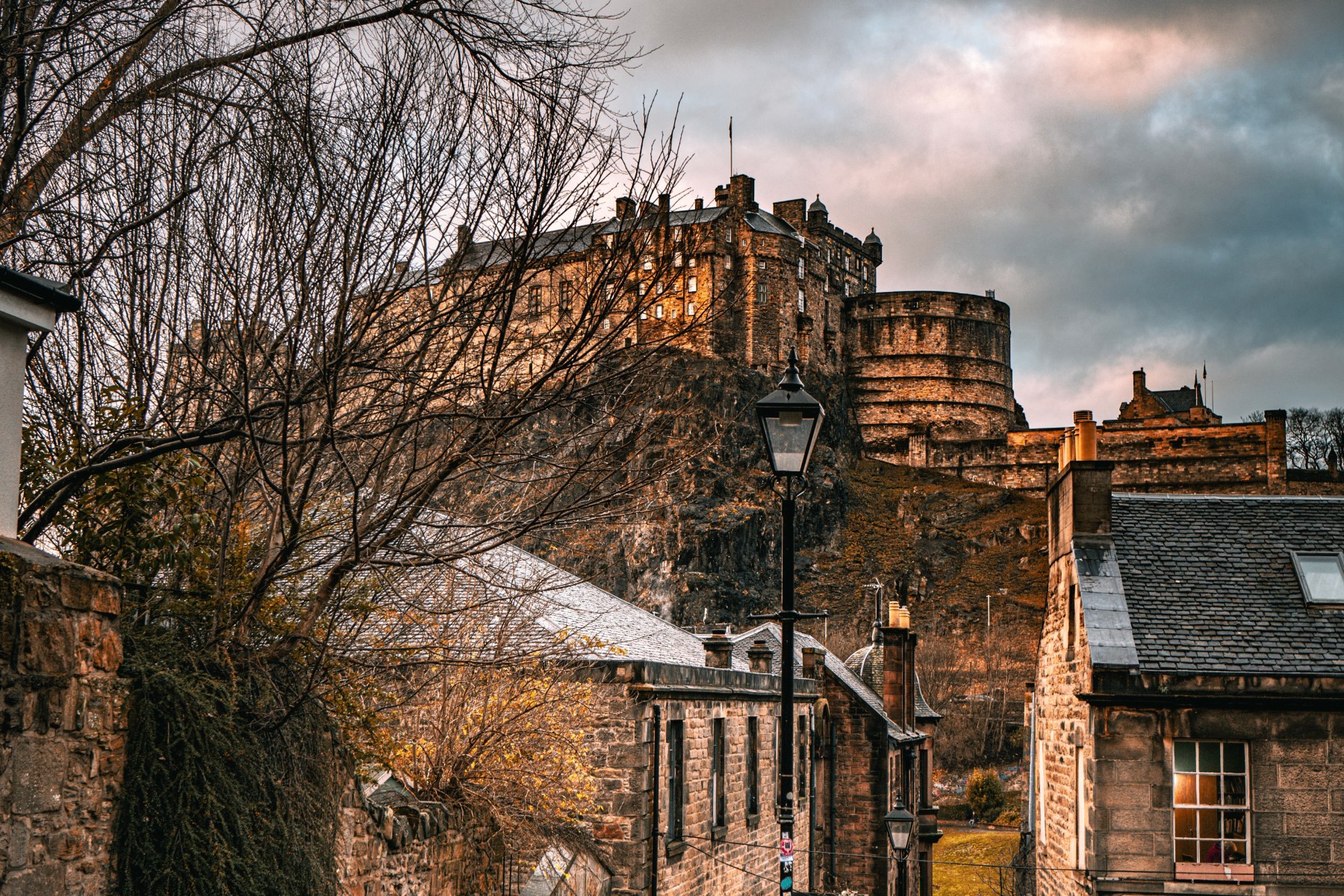
Exploring Edinburgh: From Old Town to New Town
Unquestionably my favourite UK city, Edinburgh has held a place in my heart for over 3 decades. Below I detail why, my favourite parts, and for the (slightly) more energetic, 2 walks around the city that will take anything from 2 hours to all day, depending on how many times you stop for a ‘wee dram’.
A City Balanced Between Time and Sky
Edinburgh does not reveal itself at once. It rises in layers, a city both medieval and modern, draped across volcanic ridges and carved into valleys where the wind still smells faintly of salt and rain. Here, the architecture appears to have been chiselled from narrative itself, turreted, honeyed, austere, a skyline written in Gothic italics.
You arrive and at once feel the altitude of its character. The past is not buried beneath the streets but stacked, storey upon storey, as if the city itself were a living palimpsest of empire and intellect. Beneath your feet, catacombs of history; above your head, the piercing note of bagpipes and the flutter of seagulls. Edinburgh’s genius is its duality, a city of scholars and sinners, philosophers and poets, whisky and wit, a capital both celestial and subterranean.
It is a city that invites wandering. And in wandering, you begin to understand how the Scots manage to balance grandeur with grit.
Before History
Long before the poets, philosophers and whisky drinkers arrived, Edinburgh was carved by fire and ice. The city’s drama began some 350 million years ago, when a volcanic eruption forced a plug of molten basalt through softer sandstone, the birth of what we now call Castle Rock. Then came the Ice Age: vast glaciers grinding from west to east, shearing the landscape like a sculptor’s hand. The hard volcanic core resisted erosion, while the ice gouged deep troughs into the softer rock around it, creating the long, tapering ridge that would one day become the Royal Mile.
When the ice finally retreated, it left behind a city plan written by geology, a fortress atop a volcanic plug, a spine descending eastward, and deep, glacial valleys on either side. It was nature’s blueprint for a citadel, a gift to defensive architecture. The Nor’ Loch filled one valley (later drained to form Princes Street Gardens), while the Cowgate occupied the other, hemmed in by cliffs of stone.
As centuries passed, ambition replaced geology as the shaping force. With space scarce and the terrain unforgiving, Edinburgh grew not outward but upward, a city of vertical living. The Old Town rose in stacked tenements, cellars and garrets piled seven, even more storeys high, Europe’s first accidental skyscrapers. By the 19th century, bridges stitched the fractured landscape together: the North Bridge vaulting across to the New Town, the George IV Bridge levelling the ground above the Cowgate.
Today, those bridges and layered streets disguise the city’s prehistoric chaos. Walk across them and you’re treading the line between continents and epochs, a metropolis built not just on stone, but on the frozen memory of its own making.
Hugh MacDiarmid
“But Edinburgh is a mad god’s dream.”
WALK ONE: OLD TOWN, A HISTORY OF HEIGHTS AND SECRETS
Begin, as all good stories do, with a descent. Start at St Giles’ Cathedral, whose dark spire claws at the sky like something half-biblical, half-Gothic nightmare. Just beside it, slip into Barrie’s Close, a narrow slit in the stone that feels like time travel. The air cools instantly. The light thins. Seven storeys of medieval tenements rise on either side, pressing in like a crowd of old ghosts.
Here, the city’s vertical madness begins to make sense. The steep banks from the ridge of the Royal Mile fall away sharply, though the drama is hidden by bridges and facades. Building up as the ground dropped away created a vertical city, Europe’s first flirtation with skyscrapers, with cellars below and garrets above, stacked like history itself. Every step down the hill recalls a civilisation that once came with a cry of “Gardyloo!”, a shouted warning before chamber pots were emptied onto the cobbles below.
Emerge blinking into daylight and drift down to The Elephant House, the café where J. K. Rowling wrote the early Harry Potter chapters. Ignore the graffiti and the pilgrim queue; look instead through the back window at the castle, the real spell that started it all.
Continue along George IV Bridge towards Greyfriars Kirkyard, rich in Covenanters, plague victims and literary ghosts, including the grave of “Tom Riddle”, among moss-eaten gravestones leaning like tired academics. You’ll pass the statue of Greyfriars Bobby, the terrier who kept a fourteen-year vigil by his master’s grave, now immortalised in bronze, still guarding that memory. Sentimentality suits this city.
Take Candlemaker Row, a cobbled descent lined with curiosity shops, antique dens and the faint smell of wax and whisky. Every doorway feels as if it hides a Dickens character. Follow it downhill into Grassmarket, once the stage for public hangings, now a convivial sprawl of pubs and terraces.
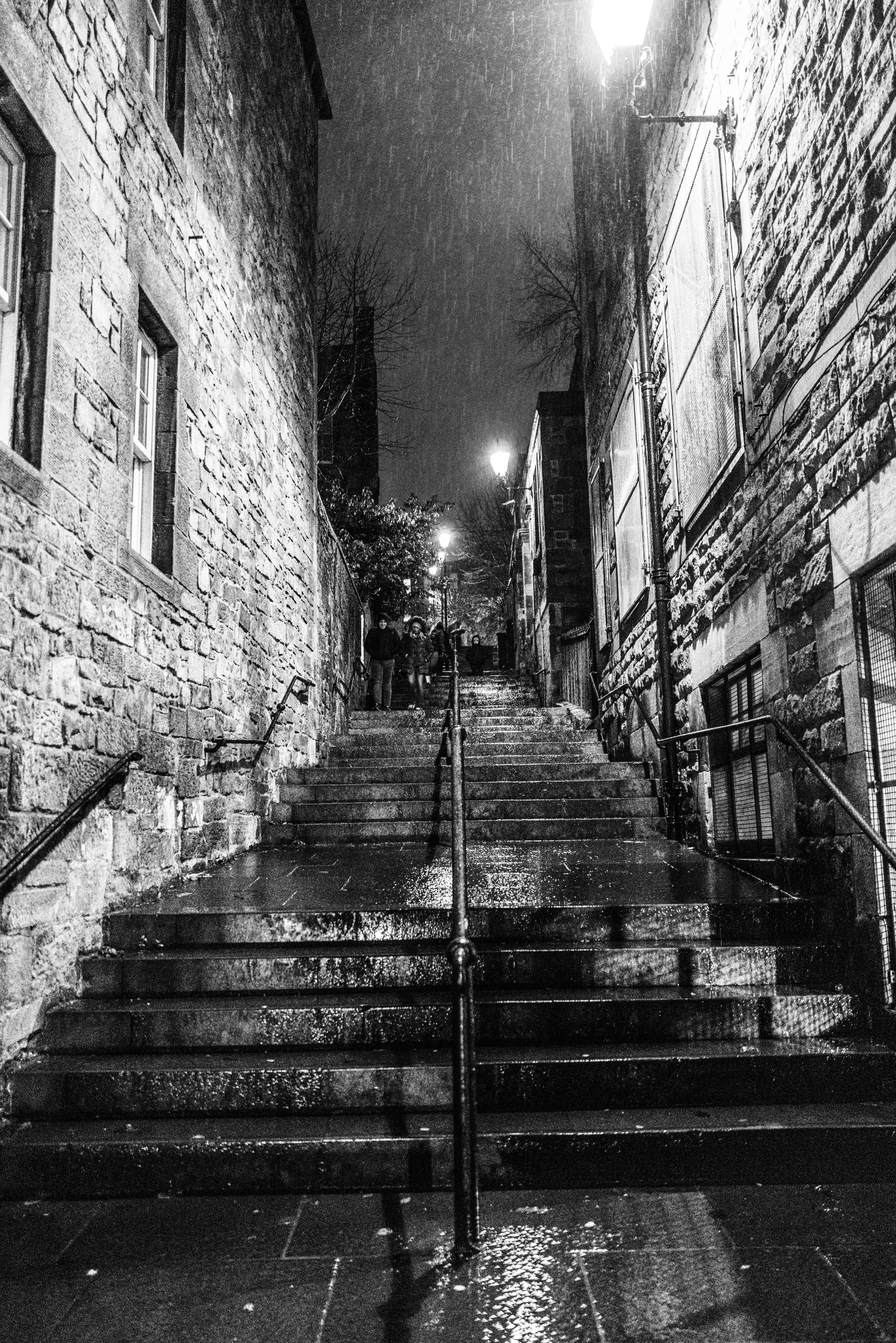
At The Vennel, climb the steps for the city’s most iconic view of Edinburgh Castle. Order a pint at The Last Drop, the name not accidental, where condemned men once took theirs. Raise a quiet toast to survival, and to Edinburgh’s gallows humour: dry, dark and eternal.
From here, take the cobbled climb of West Bow leading to Victoria Street, flanked by its kaleidoscope of façades. Keep turning round for the postcard view. Drift in and out of the wine shops, galleries and little cafés; it’s a street made for lingering.
Find the hidden Diagon Alley, you’ll know it when you do, and climb the steps for a balcony glimpse back down the curve of the street. Continue upward via Upper Bow and onto Castlehill.
Walk the final ascent towards the Castle. Peer into Jollie’s Close, pass the Camera Obscura (worth a look), then cross the road to The Witchery. If timing allows, stop for a drink or dinner, there’s no finer finale to Old Edinburgh. At the very least, step inside and find The Secret Garden.
Finally, climb towards the Castle Esplanade, past the Scotch Whisky Experience, worth a detour if the scent of malt tempts you, the Tartan Weaving Mill and the Witches’ Well. Step out onto the open expanse of the Esplanade and take in the view over Edinburgh, or better still, plan your visit to coincide with entry to the Castle itself.
“Edinburgh is a hotbed of genius.”
Tobias Smollett
WALK TWO: THE NEW TOWN, STOCKBRIDGE & DEAN VILLAGE
If Old Town is feverish and medieval, New Town is the hangover cure: calm, elegant, rational. Built in the 18th century during the Scottish Enlightenment, it’s all symmetry and restraint, the architectural equivalent of a well-cut suit.
Start on Princes Street overlooking the Gardens, once a foul lake of sewage (the Nor’ Loch) and now the city’s green heart, fertile, one might say, from centuries of rich history. Beneath the castle cliffs, the air now smells fresher than it has in five hundred years: grass, espresso and the faint note of a busker’s fiddle caught between eras.
Walk up to the Scott Monument and climb its 287 narrow steps to honour Sir Walter Scott, poet, novelist, nationalist and sentimentalist. The view from the top is pure Edinburgh: spires like tuning forks, rooftops like folded tweed.
The Balmoral Hotel stands further up the street, its clock running five minutes fast so travellers never miss their trains below. Turn instead up the slight rise towards George Street, where classical terraces house designer boutiques and cocktail bars in the same buildings where philosophers once argued over dinner.
Continue down George Street to Charlotte Square, where the Georgian House offers a glimpse into the city’s gilded past: waxed floors, oil portraits, the scent of polish and history. From there, stroll downhill to Queen Street Gardens, private, manicured, and as poised as a drawing room. Imagine the carriages that once rolled past those windows and the rustle of silk within.
Loop round Moray Place, past the dignified Edinburgh townhouses that define the Georgian grid, and descend into Stockbridge, where antique shops and delis line the way. Pause at The Pantry for coffee or at Nauticus Bar for something stronger, and feel the hum of a neighbourhood that still beats to its own rhythm.
Seek out Circus Lane, arguably the prettiest street in Scotland, a gentle curve of mews houses whose flower boxes bloom even in winter. It’s the kind of street where you half expect to meet someone reading Byron in a window.
Follow the Water of Leith walkway, quiet and green, the ghosts of old mills whispering beside you. The path winds towards Dean Village, perhaps the most photogenic accident in the city’s history. It looks like a film set for a novel that never got finished: ivy-clad houses, a murmuring river, and a melancholy light that flatters everything it touches.
The walk from Princes Street to Dean Village covers barely a mile, yet it feels like a passage from reason back into dream, a fitting symmetry for a city built between the two.
If energy, daylight and sobriety are still on your side, retrace your steps and head up to Carlton Hill to view the city you have just explored beneath a backdrop of sunset.
Charlotte Bronte
“My dear Sir, do not think that I blaspheme when I tell you that your great London, as compared to Edinburgh, ‘mine own romantic town’, is as prose compared to poetry, or as a great rumbling, rambling, heavy Epic compared to a Lyric, brief, bright, clear, and vital as a flash of lightning.”
My 40 Favourite parts of Edinburgh
- Edinburgh Castle
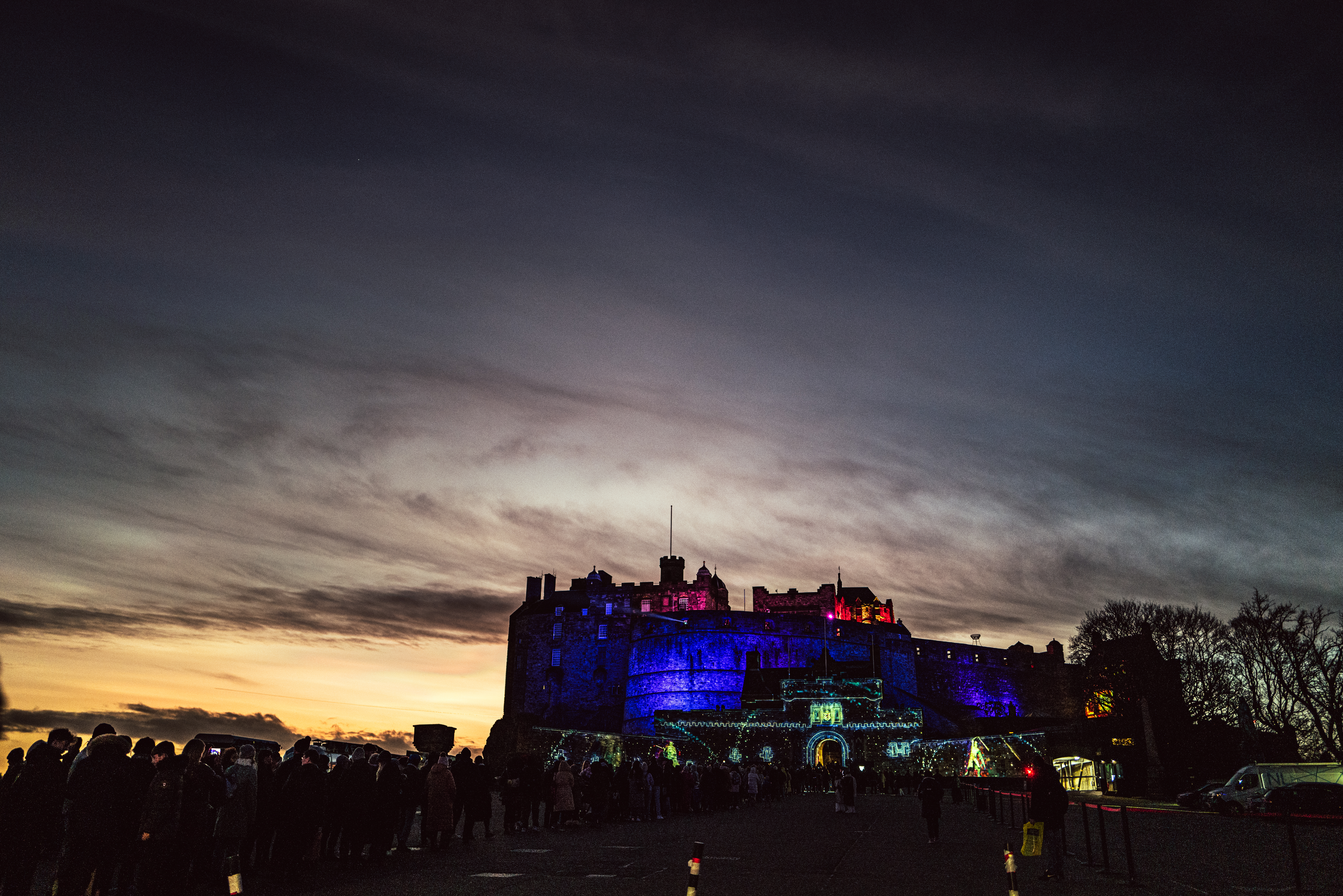
The citadel that anchors the city, defiant, windswept, eternal. From its volcanic perch, you can trace a thousand years of history: crown jewels, siege cannons, and the echo of drums on the battlements. Go early, before the crowds arrive, and watch the mist rise from the Forth like smoke from an extinguished age. The daily One O’Clock Gun (except Sundays) still startles first-timers and delights everyone else. - The Royal Mile
A spine of history stretching from castle to palace. The cobbles whisper of monarchs, merchants, and mischief-makers, while closes and wynds beckon with shadowed stories. Street performers, whisky shops and ghost tours may crowd its edges, but step sideways into a side alley and you’ll find the city’s pulse still beats to its medieval rhythm. - The Palace of Holyroodhouse
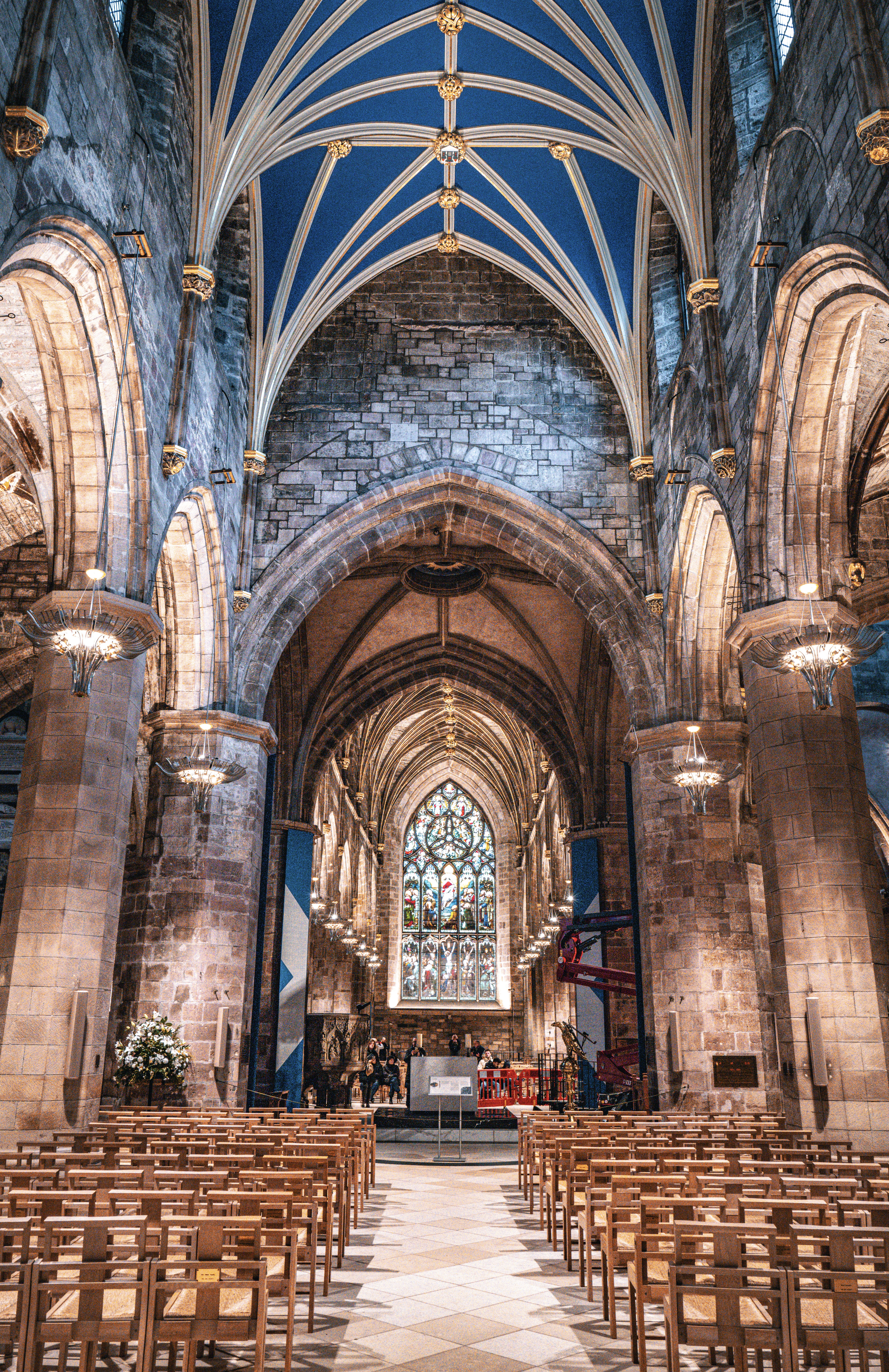
The monarchy’s home in Scotland, stately, storied and faintly melancholy; but a real highlight for young and old alike. Mary, Queen of Scots’ chambers still breathe drama, her past etched into the tapestries. Walked backwards through history before encountering the bedroom first used by Charles II in 1650. Cross the courtyard and the ruins of Holyrood Abbey await, gothic ribs against the sky, a reminder that even grandeur fades gracefully here. - St Giles’ Cathedral – A Gothic anchor on the Royal Mile with vaulted ceilings, stained glass and the jewel-box Thistle Chapel, home to Scotland’s highest order of chivalry. Slip in for ten quiet minutes between sightseeing bursts; if you’re lucky, the choir will be rehearsing and the building will hum.
- Arthur’s Seat
Edinburgh’s second extinct volcano that feels anything but dead. The climb is steady and the wind constant, but the reward, a full panorama of city, firth, and highlands, is worth every gust. Hike at dawn and the world glows gold; go at dusk, and the lights of Edinburgh shimmer like embers beneath your feet. Loop via Salisbury Crags for a gentler descent and sweeping views across to the Forth. - The Scottish Parliament
A bold piece of Catalan modernism by Enric Miralles, all curves and conscience. It may divide opinion, but then, so does democracy. - The Vennel Viewpoint
A flight of stone steps with an unexpectedly cinematic castle view at the top. It’s less crowded than the postcard perches, and the framing, tenements, rooftops and ramparts, is pure Edinburgh. Best at blue hour or after light rain, when the stone deepens and windows flicker on. - Prestonfield House (Drinks, Dinner, or Stay)
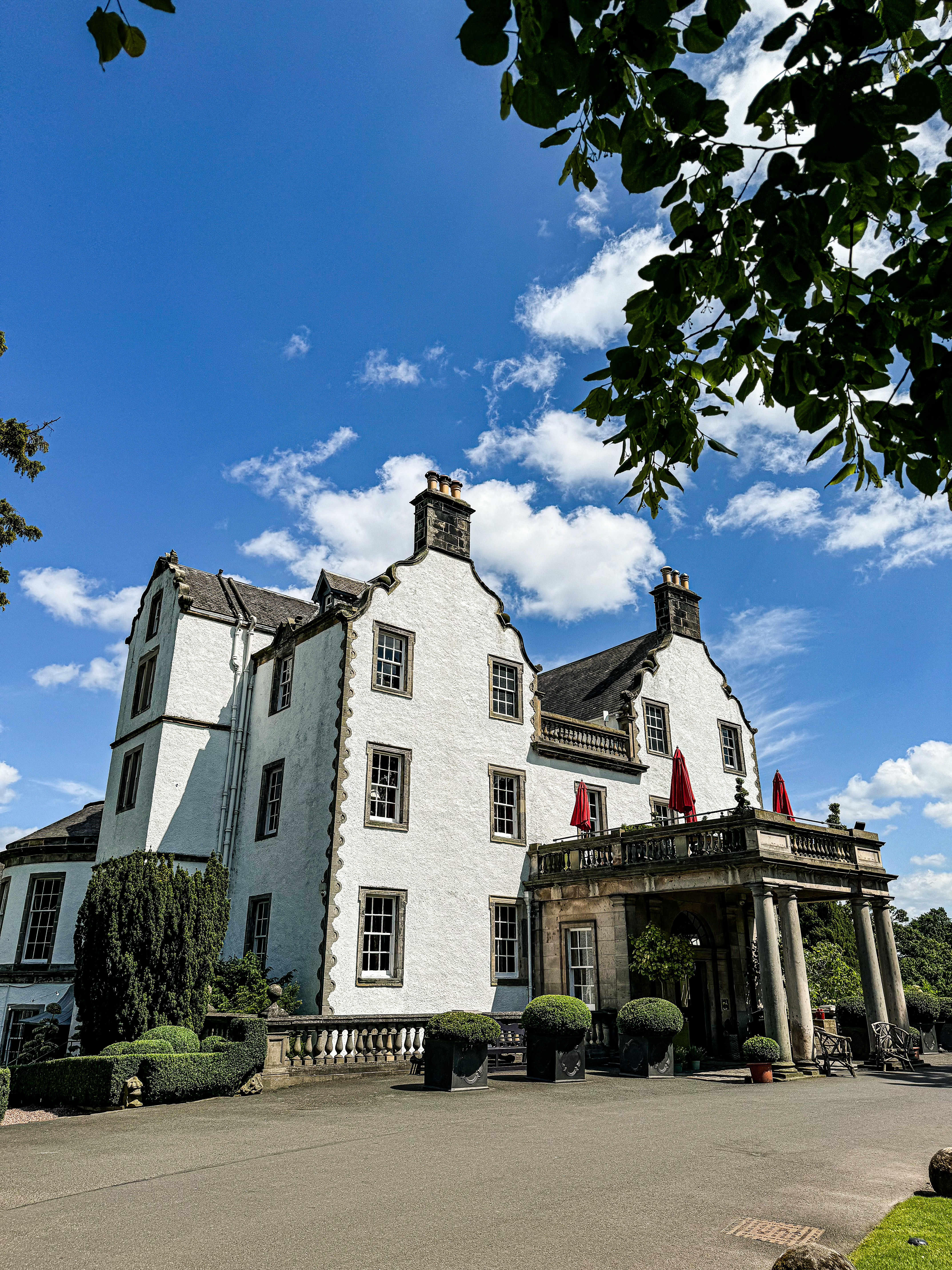
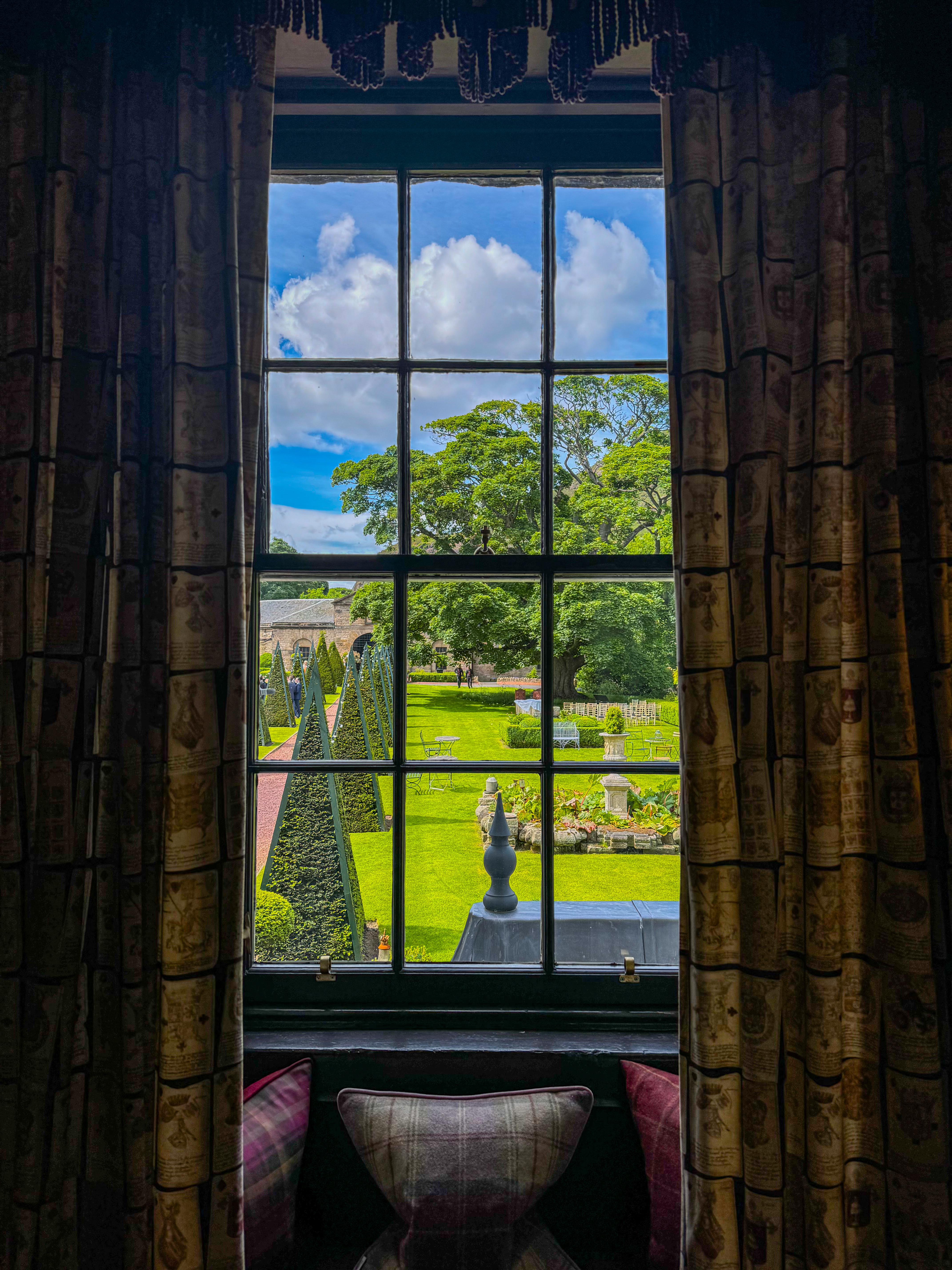
Baroque romantic grandeur just five minutes from the Royal Mile: Silently screaming with history; salons private and sociable, manicured gardens, afternoon tea fit for royality and cocktails by a fire that seems to have been burning since 1687. Dinner at Rhubarb is an occasion; even a stolen hour for a Negroni feels decadent. You’ll leave speaking softer. (read more about Prestonfield House here) - Calton Hill
A quick climb, a grand payoff. The Parthenon-like National Monument looms unfinished, a noble folly overlooking the skyline. At sunset, locals gather with bottles and blankets to watch the city dissolve into amber haze, and you realise Edinburgh doesn’t just live in the present; it performs it. - The Scott Monument
A gothic rocket of stone, soaring above Princes Street Gardens in reverence to Sir Walter Scott. Climb its narrow spiral, 287 steps, and you’ll find yourself nose-to-nose with gargoyles and angels, the city unrolling beneath you in every direction. - National Museum of Scotland
A cabinet of curiosities masquerading as a museum. From Viking treasures to Dolly the Sheep, every exhibit hums with a quiet Scottish pride in invention and survival. The Grand Gallery, flooded with light, is one of the most uplifting rooms in Europe, a cathedral to curiosity. - The Writers’ Museum (Lady Stair’s Close)
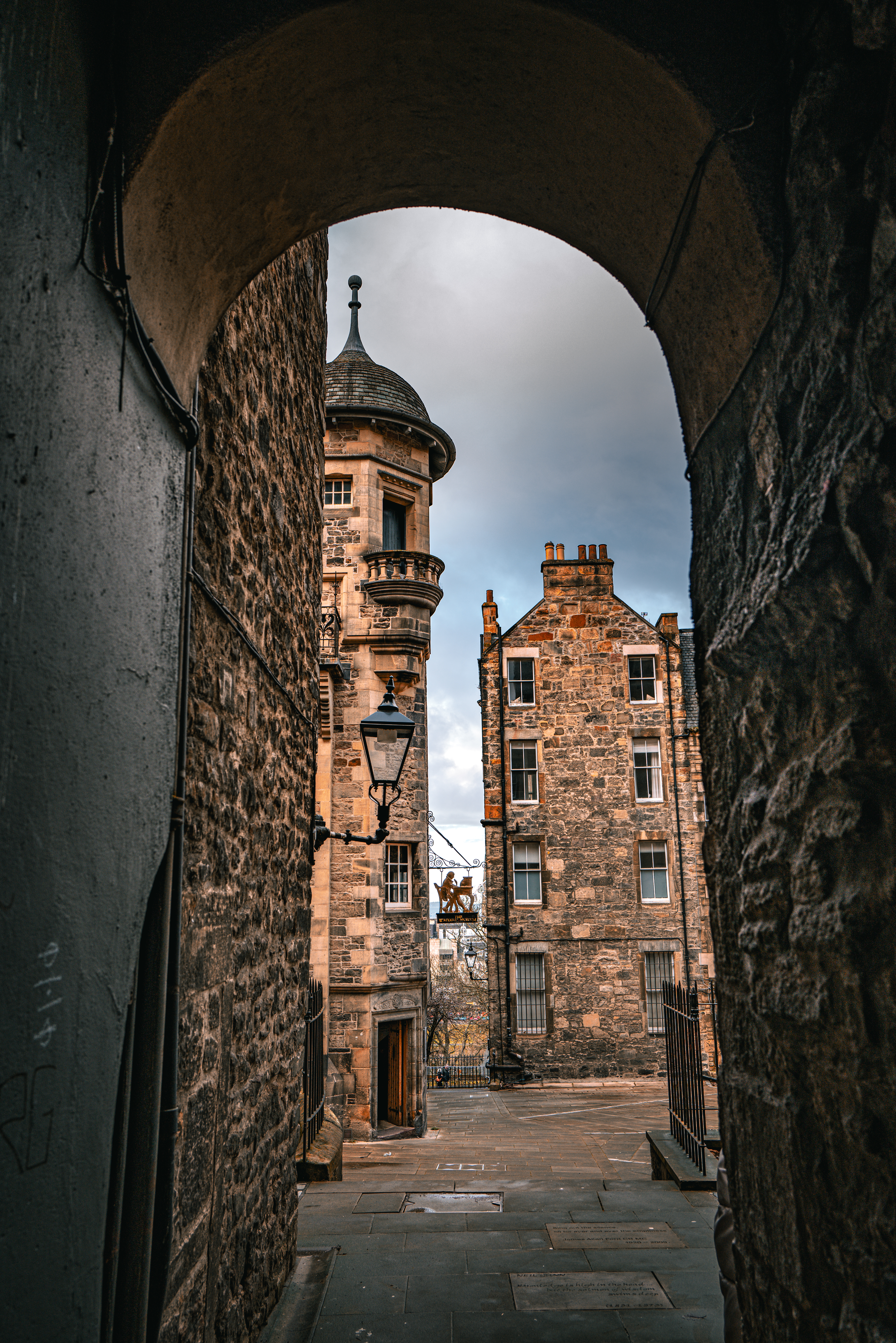
Dark-academia delight dedicated to Burns, Scott, and Stevenson. Creaking floors, portraits, rare editions, and a sense of Edinburgh as a city that writes itself into being. Free to enter; five minutes off the Mile feels like a world away. - Greyfriars Kirkyard
A necropolis of poets and plague victims. Weathered stones, tangled histories, and the city’s most famous dog, who kept vigil at his master’s grave for 14 years. Potter fans hunt “Tom Riddle” and friends; ghost story fans come at dusk for atmosphere. Pay respects, then duck into a nearby pub. - George Street
Central thoroughfare through the New Town, although planned and built in the 18th Century, George Street always feels as if Edinburgh has pressed its shirt and poured itself a sharper drink. The façades, rich in history, stand in a gentleman’s parade, Georgian dignity above, clinking glasses below, where fine boutiques glow like well-kept secrets by day and cocktail bars hum with quiet confidence at night. Your pace will soften as you walk up and down its wide boulevard. - Dean Village
Storybook stone cottages along a murmuring river, ten minutes from Princes Street. Walk the Water of Leith from Miller Row to Stockbridge, crossing old bridges and pausing for photos you’ll swear are from a country village. Come early, or on a soft, grey afternoon for the mood. Once the city’s milling heart, now a painter’s idyll; an afternoon stroll here feels like inhabiting a postcard that has politely declined to age. - Circus Lane
Possibly Edinburgh’s most photogenic mews: cobbles, potted geraniums, and quiet doorways framed by ivy. It’s residential, so be respectful and brief. Pair with Stockbridge brunch, then loop to the Sunday market for picnic supplies. Come at golden hour for that warm, painterly glow on the stone. - The Scottish National Gallery
A neoclassical temple to beauty on Princes Street. Within: Raeburn’s portraits, Titian’s drama, Monet’s light. The hush inside is sacred, yet never sterile, art here feels close enough to touch, as if the city’s intellect has found its most refined expression. - The Scottish National Portrait Gallery
A red-sandstone masterpiece housing faces that built the nation, explorers, rebels, thinkers. Wander beneath its ribbed ceilings and you sense history staring back. The café serves fine tea among marble busts, a civilised pause between centuries. - Surgeons’ Hall Museums
A collection not for the faint of heart but for the genuinely curious. Jars of preserved specimens, surgical tools from the age of sawdust and brandy, and macabre tales of medical pioneers. It’s Edinburgh at its most gothic, intellect with a scalpel. - Museum of Edinburgh
A quieter corner off the Royal Mile, this warren of timbered rooms tells the city’s story in artefacts rather than adjectives. Ancient maps, silver goblets, and civic charters, small items that somehow weigh a millennium. - The Chocolatarium
A gourmand’s secret tucked just off the Royal Mile. Tours here are deliciously hands-on: tempering, moulding, and tasting your way through the history of cacao. Pairings of whisky, wine and Scots pine chocolate prove that indulgence, too, can be an education. - The Real Mary King’s Close Tour
A descent into Edinburgh’s layered anatomy, beneath the Royal Mile lies an underworld of forgotten streets, preserved like Pompeii under plaster and myth. The guided tours are half history, half séance, tales of plague, poverty and perseverance told by candlelight..The tour guides are part historian, part actor, conjuring up merchants, ghosts, and plague doctors with unnerving intimacy. The air smells faintly of earth and time, proof that the past, in this city, never fully sleeps. It’s a reminder that Edinburgh’s grandeur is literally built on grit. - Underground Vaults Tour
Beneath Edinburgh’s Old Town lies another world, a warren of candlelit vaults and echoing chambers that once housed the city’s forgotten. Join an expert guide and descend into the 18th-century Blair Street Underground Vaults, and learn the history of the bridges that flattened the city. Hear tales of smugglers, murderers, and ghosts, and uncover the chilling history of those who lived, and lingered, in these haunting, hidden depths. - The Balmoral Hotel
Its clock runs five minutes fast so no traveller ever misses a train. Inside, time stands still, tartan, brass, and the soft hush of money well spent. - Gleneagles Townhouse
A Georgian masterpiece reborn for the urbane traveller. Think marble, mahogany and martinis on the roof terrace, country-house charm with a city pulse. - Lauriston Castle
A 16th-century daydream at the city’s edge, surrounded by Japanese gardens and ghosts of landed gentry. Bring a camera, leave with serenity. - Leith Waterfront
Once gritty, now gleaming. Michelin stars and maritime pubs sit side by side; a waterfront that has learned to age like whisky, smoother with time. - The Royal Yacht Britannia
Tour the late Queen’s floating palace, elegant, melancholy, and entirely British in its restraint. Now decommissioned, perhaps, but never dethroned. Walk its decks and you can still sense the quiet precision of royal life, polished, poised, perfectly nautical. - Armchair Books
A labyrinth of leaning shelves and paper dust, where every book smells faintly of history and hope. Bargain hardbacks, forgotten poetry, and the possibility of magic. - Camera Obscura
Half science, half sorcery. Mirrors and lenses cast the city onto a giant table, live and luminous. Proof that Edinburgh has always loved its own reflection.
10. Refreshment Favourites
- Hey Palu
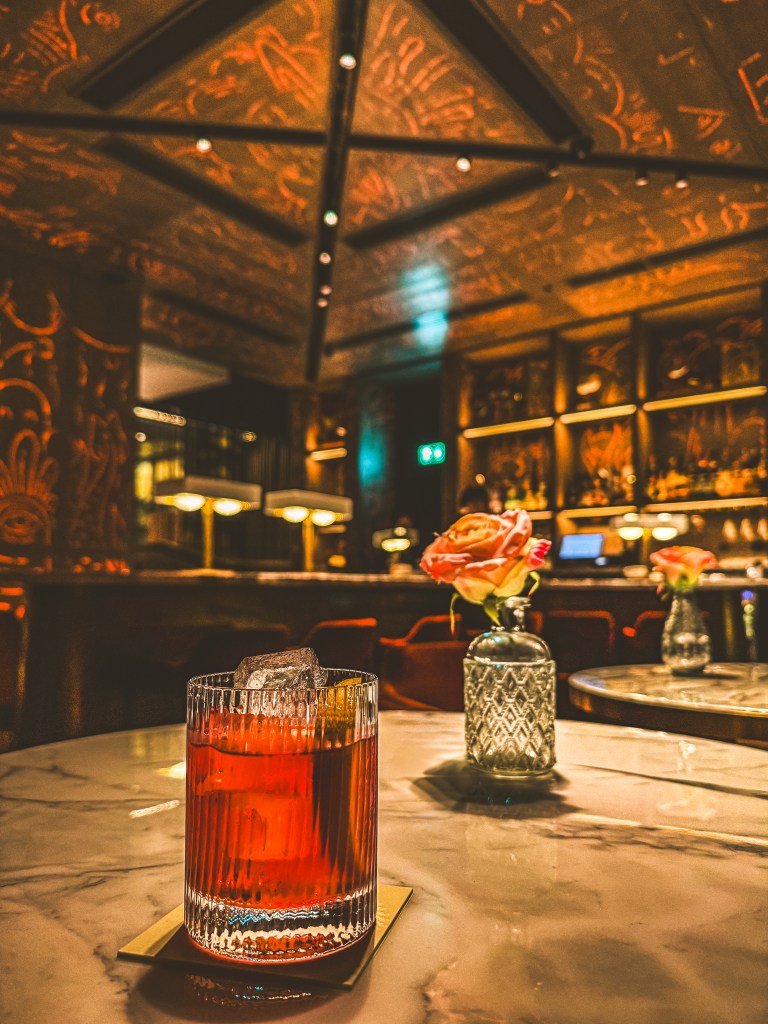
An ode to Italian aperitivo culture transplanted north. Think Negronis built with precision and charm, bitter as opera and smooth as Sinatra. It’s what Edinburgh would drink if it went on holiday. - Bramble Bar & Lounge
A subterranean temple to mixology. Its low ceilings and candlelit corners attract the kind of crowd that speaks softly and drinks slowly. Try their signature Bramble: sharp, floral, faintly dangerous, much like the city itself. - Nauticus
Part maritime nostalgia, part cocktail innovation. The menu celebrates Scottish produce, seaweed gin, malted syrups, while the bartenders tell stories between pours. You leave slightly saltier, slightly happier. - Panda & Sons
A speakeasy disguised as a barber shop, because of course it is. Push through the bookcase and find one of the city’s most playful bars, where theatre meets craftsmanship. The drinks are serious, the humour not. - 1820 Rooftop Bar
High above Princes Street, glasses clink against the sky. The cocktails are elegant, but the view, Edinburgh Castle catching the last orange of dusk, steals the show every time. - The Witchery by the Castle
Dining as decadence. Candlelight flickers off oak panelling and velvet drapes; the air smells of truffle and temptation. A single lunch here feels like a scene from another century. - The Kitchin
Tom Kitchin’s Michelin-starred homage to Scotland’s seasons. “From nature to plate,” he calls it, a philosophy delivered with quiet precision. Expect langoustines, hare, and the sense that you’re eating the geography itself. - The Pantry
Stockbridge’s morning ritual. Locals queue for flat whites and pancakes that border on art. Afterward, wander Circus Lane and pretend you live there; everyone else does. - White Horse Oyster & Seafood Bar
Where the Royal Mile meets the sea. Fresh oysters shucked with ceremony, scallops seared with reverence. Order a Negroni and feel utterly at peace with your priorities. - Stockbridge Market
Sundays done properly. Artisan cheeses, wild honey, and fiddle music drifting between stalls. A reminder that local life here still hums beneath the tourist gloss.

The Art of Getting Lost
To walk through Edinburgh is to perform an act of elegant disorientation. You’re always between levels, climbing, descending, finding one layer beneath another, like riffling through the city’s subconscious. Even the weather has moods: sun one minute, penance the next. It’s not indecisive; it’s complicated.
The city’s pleasures rarely shout. They’re found in the slick of rain on old stone, the smell of whisky from a half-open door, the echo of boots on cobbles at dusk. Edinburgh doesn’t hustle for your attention; it earns it. It’s not a city to consume in a day, but to sip like a good single malt, slow, smoky, slightly dangerous.
There are cities that charm and others that challenge. Edinburgh does both, sometimes in the same breath. It reminds you civilisation was built by people with candles and conviction. Walk its closes, climb its hills, lose an afternoon in a pub, and you’ll understand, this isn’t a destination, it’s a diagnosis. A beautiful vertigo.
Edinburgh can’t be conquered; it has to be courted. It’s made of soot, genius, and stubbornness. Every street looks good in fog, and every conversation eventually turns to weather, whisky, or ghosts. The city’s true secret isn’t buried in the vaults or locked in the castle; it’s in the way the stone feels alive, like it’s been listening all along.
Leave, and it follows. Not loudly, but with that quiet Scottish persistence that some things are better felt than explained. And when you come back, because you will, you’ll know what the locals mean when they say Edinburgh isn’t just seen. It’s endured, admired, and eventually understood.
Ian Rankin
“Edinburgh isn’t so much a city, more a way of life…… I doubt I’ll ever tire of exploring Edinburgh, on foot or in print.”






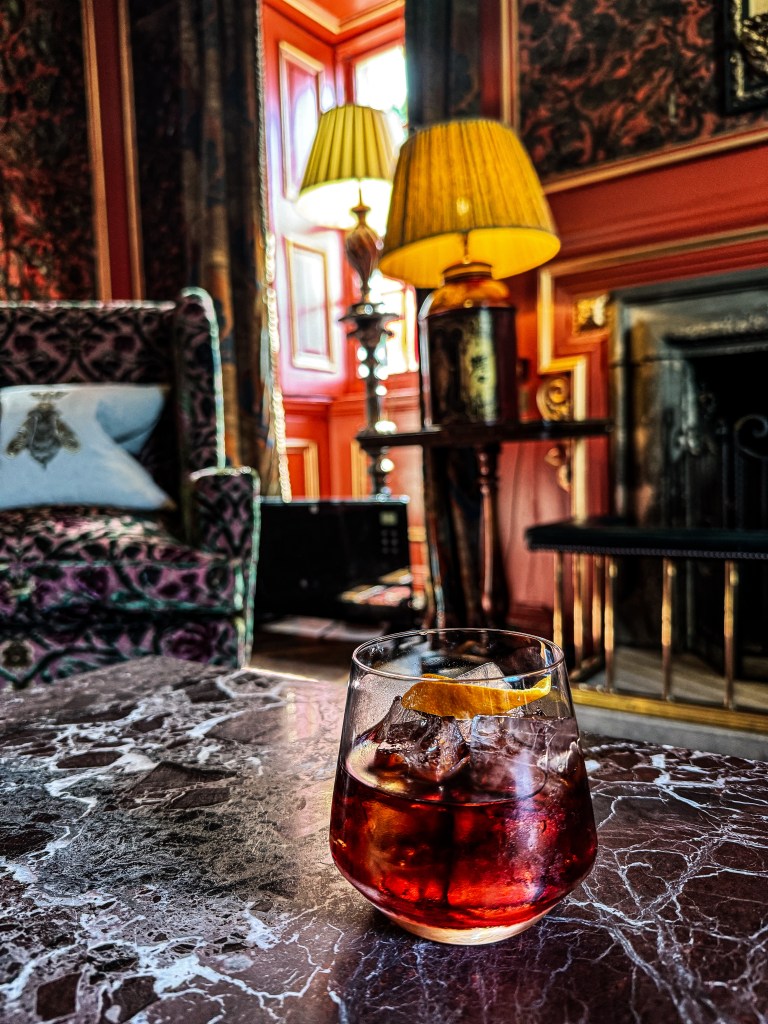
Thirsty for more Negronis?



The Best Negronis in…..



Comments? Suggestions? Anything else you’d like to see?


Fitness / Wellness / Healthspan



Hotels
Check out my thoughts on some of my favourite hotels





 garychaplin.com