It’s Never Too Late: A Practical Health Guide to Exercise After 50
Turning 50 is a big thing. My 50th was four years ago. I remember my Grandparents in their 50s. They were old.
They looked old, dressed old, acted old. “Be careful around them, they’re old” we’d be told as we jumped on them in their beige cardigans and Crimplene dresses.
I’m very different. We’re all very different to our grandparents, 50 is the new 30…etc. But it still triggers something about life within us. Your pathway to long-term health (Healthspan) is at a critical stage.
“If you have the aspiration of kicking ass when you’re 85, you can’t afford to be average when you’re 50.”
Peter Attia
Alas, fifty also brings with it an uncomfortable realisation: the body no longer feels like it once did. Strength seems harder to hold on to. Fitness fades faster than it used to. A minor injury lingers longer. And somewhere beneath all of this sits a quiet but persistent question: Is it too late to make a difference now?
The reassuring answer, supported by decades of research and reinforced by clinical experience, is an emphatic no. Not only is it not too late, but the years after fifty may be the most important time of all to engage seriously with exercise. What changes is not the need for training, but its purpose: no longer just aesthetics or performance, but independence, resilience, and the ability to live well for as long as possible.
This is not about chasing youth. It is about protecting the future.
Ageing is not a slow, even decline. It happens in steps. Muscle mass decreases gradually from our mid-twenties, but after seventy-five the drop becomes steeper. For too many, physical activity often mirrors this pattern, not a steady slope, but sudden reductions following illness, injury, or loss of confidence .
Each drop makes recovery harder. This is why prevention matters more than repair.
Two things in particular determine whether later life is lived freely or cautiously:
Strength and power, which protect us from falls and frailty
Cardiorespiratory fitness, often measured by VO₂ max, which predicts not just longevity, but quality of life
Low VO₂ max is one of the strongest predictors of mortality in adults, more powerful than cholesterol, smoking status, or hypertension. But its importance goes beyond survival. It determines whether we can climb stairs, walk uphill, travel confidently, or keep up with grandchildren.
In short: fitness is freedom.
The Four Pillars of Exercise for Healthy Ageing
A useful way to think about training later in life is through four interconnected pillars :
Stability – balance, coordination, joint control
Strength – muscle mass and force production
Aerobic efficiency (Zone 2) – the ability to sustain moderate effort
Peak aerobic output (VO₂ max) – short bursts of high intensity
Most people naturally focus on one, usually cardio, and neglect the others. But the real protective effect comes from developing all four.
1. Stability: The Forgotten Foundation
Falls are one of the leading causes of serious injury and loss of independence in older adults. The risk does not come simply from weak muscles, but from poor foot strength, ankle mobility, balance and reaction speed .
Training stability means:
Strengthening feet and lower legs
Improving ankle mobility
Practising balance under controlled conditions
Learning how to move safely on and off the floor
These skills may sound basic, but they are profoundly protective.
2. Strength: The Most Underrated Medicine
There is a persistent myth that weight training is risky for older people. In reality, the opposite is true: not lifting weights is one of the biggest risks of all.
Studies consistently show that people in their seventies and eighties can gain strength at almost the same relative rate as those in their twenties . The absolute numbers may differ, but the capacity for improvement remains.
Strength training does three critical things:
Preserves muscle mass, slowing sarcopenia
Improves bone density, reducing fracture risk
Protects joints, by stabilising the body under load
For many older adults, machines and controlled movements provide the safest starting point. The goal is not maximal lifting, but progressive resistance, slowly increasing challenge while maintaining perfect form.
Just as importantly, strength training builds confidence. The ability to stand up easily, carry shopping, rise from the floor, or walk downstairs without fear is not cosmetic fitness. It is autonomy.
3. Aerobic Efficiency (Zone 2): Cardio that Counts
Most people associate cardio with breathless exertion. In reality, the foundation of endurance fitness is built at surprisingly gentle intensities.
Zone 2 refers to exercise that feels sustainable but purposeful, brisk walking, cycling, light jogging, where conversation is possible but slightly laboured. This intensity improves mitochondrial health, fat metabolism, and cardiovascular efficiency.
For older or deconditioned individuals, Zone 2 is the safest and most productive place to begin . It builds the base on which everything else rests. (read more about Zone 2 here)
4. Peak Aerobic Output (VO₂ Max): Why Peaks Matter
While Zone 2 builds endurance, VO₂ max training protects vitality. It trains the heart and lungs to handle short, intense efforts, climbing hills, rushing for a train, reacting quickly to a stumble.
Remarkably, research shows that adults in their eighties can improve VO₂ max as much as people in their twenties after just six weeks of training . What changes with age is not capacity for improvement, but the speed of loss when training stops.
Consistency, therefore, matters more than intensity.
The Psychology of Starting (and Staying)
For many people over fifty, the biggest barrier to exercise is not physical limitation but fear, of injury, embarrassment, or simply not knowing where to begin.
The most important principle is deceptively simple:
If in three months you are fitter but miserable or injured, the programme has failed.
Early success should feel encouraging, not punishing.
Effective beginnings share three qualities:
Realistic expectations
Visible progress
Enjoyable routines
That might mean:
Walking before running
Machines before free weights
Short sessions before long ones
Habit beats heroics. Doing something most days is better than doing everything once a week.
Injury: The Cost of Getting It Wrong
In younger people, injury is an inconvenience. In older adults, it can be life-changing.
Time away from movement leads to rapid deconditioning, and recovery becomes harder with every decade . This is why sensible progression is non-negotiable.
Three golden rules protect against injury:
Progress frequency first, then duration, then intensity
Prioritise control over load
Never rush complexity
Learning to move well matters more than lifting more.
Bone Health: Training the Skeleton
Bone mineral density declines naturally with age, especially after menopause in women. But bones respond to load, not to inactivity.
Well-designed resistance training has been shown to increase bone density even in post-menopausal women with osteopenia. The message is clear: bones strengthen when muscles challenge them.
This is not about extreme training, but consistent, progressive stress under safe supervision.
Protein: The Often-Missed Partner
Exercise builds stimulus. Protein provides the raw materials.
Older adults require more protein per kilogram of body weight than younger people to stimulate muscle protein synthesis effectively. Resistance training plus adequate protein intake is a powerful combination for preserving lean mass and function .
This does not require extreme diets, simply prioritising high-quality protein at each meal.
The Long Game: Compounding Fitness
A useful way to think about exercise later in life is through the lens of compounding. Just as saving for retirement works best when started early, but still works when started late, fitness behaves the same way .
You may not become an elite athlete. That is not the goal.
The goal is to:
Stay above the thresholds required for daily life
Preserve choice, not just survival
Delay dependency for as long as possible
Every year of consistent movement adds disproportionate value to the decades that follow.
What a Balanced Week Might Look Like
For a typical person over fifty starting or returning to exercise:
2–3 sessions of Zone 2 cardio (30–45 minutes)
2 sessions of strength training
Daily low-level movement (walking, mobility)
1 session focusing on balance and stability
This is not a rigid prescription. The best programme is the one that fits real life.
Final Thought: Training for the Life You Want at 80
Exercise after fifty is not about chasing youth. It is about engineering independence.
The real question is not, Can I get fitter now? It is:
What kind of life do I want to be capable of living later?
The ability to travel confidently. To walk without fear. To rise from the floor unassisted. To remain useful, not just alive.
That future is built, quietly, steadily in the decisions made today.
And the evidence is clear: it is never too late to start.
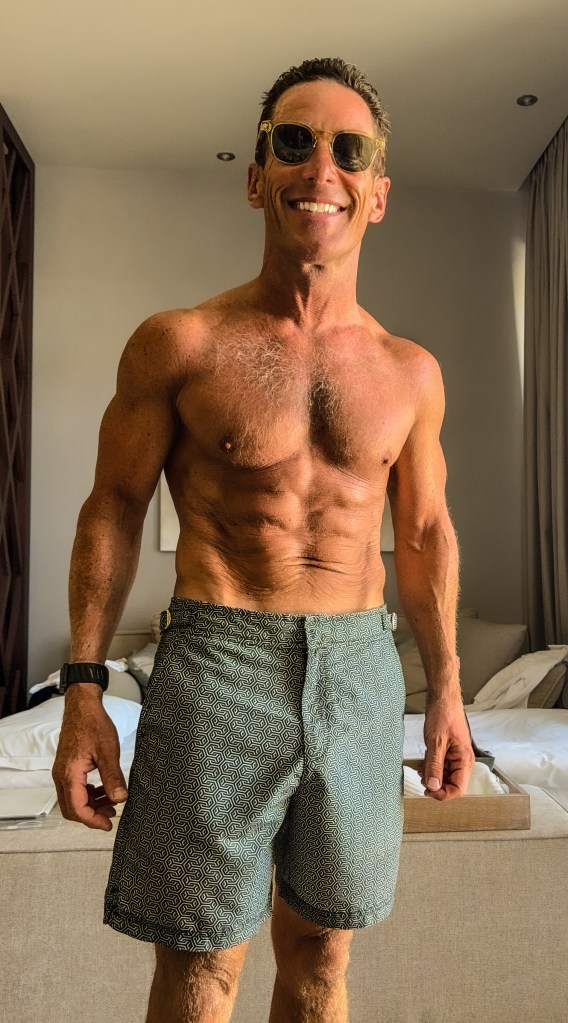
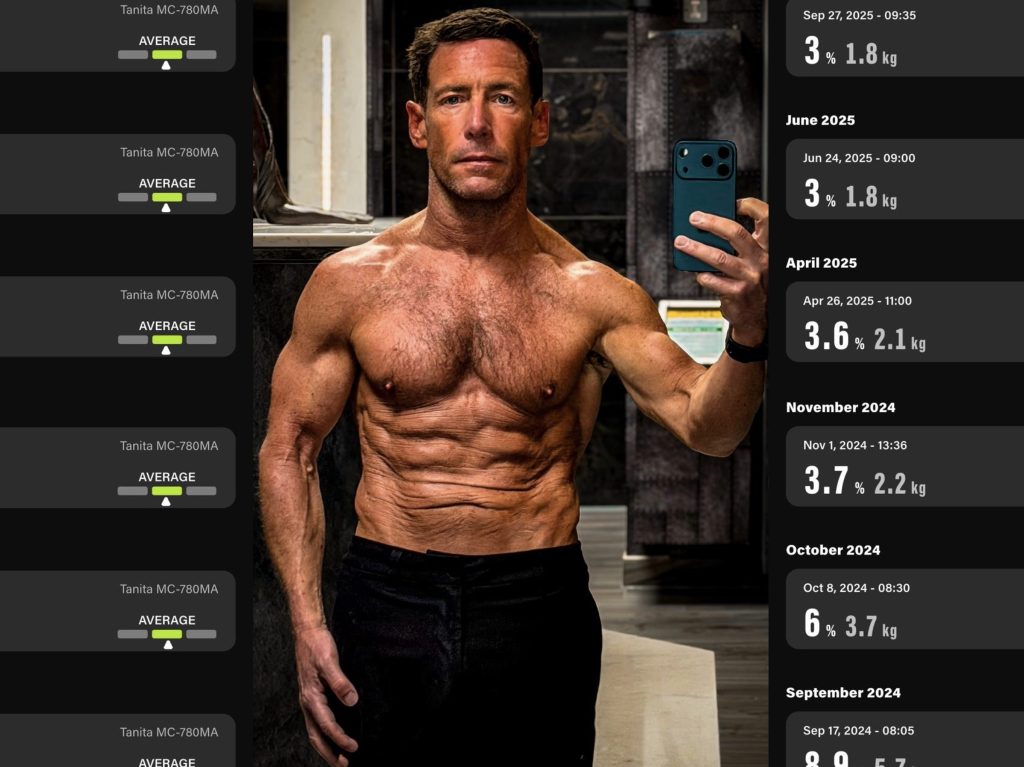
Gary Chaplin – Age 53¼
Other Fitness / Wellness / Healthspan Subjects:
Benefits of 16:8 Intermittent Fasting ExplainedStrength for Life: The Longevity Case for Resistance TrainingGuide to Exercise over 50Nutrition for LongevityPower of Zone 2AG1 vs IM8: Which Greens Powder
Comments? Suggestions? Anything else you’d like to see?
History of the NegroniThe Perfect NegroniWhich Gin/Vermouth?Clear Intentions: The Art behind Crystal Clear IceExploring Negroni Variations: Recipes and Their StoriesFestive Negroni Recipes to Try This Christmas20 Festive Cocktails to Elevate Christmas
The Best Negronis in…..
Best Negronis in LondonBest Negronis in ManchesterBest Negronis in EdinburghBest Negronis in New YorkBest Negronis in ChicagoBest Negronis in Milan
Hotels
Check out my thoughts on some of my favourite hotels
Caruso, a Belmond Hotel – Amalfi CoastThe Savoy – LondonSani Dunes – GreeceJumeirah Muscat Bay – OmanThe Londoner – LondonPortrait Firenze – FlorencePrestonfield – EdinburghGrand Hotel Royal – SorrentoCasa Cacao/El Celler de Can Roca – GironaLa Fonda Heritage Hotel – Marbella Old Town



















 garychaplin.com