La Fonda Heritage Hotel
Marbella Old Town, Spain.
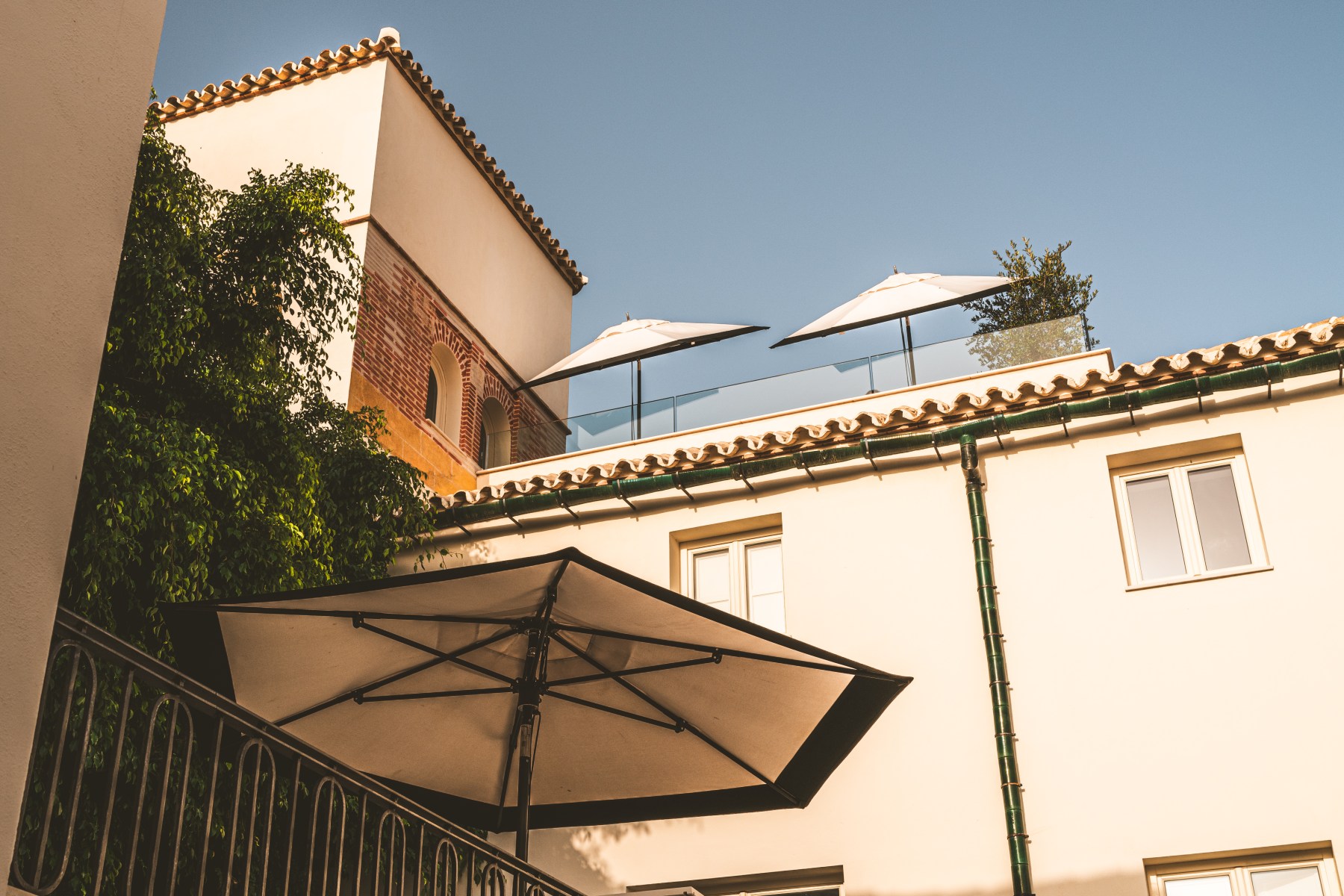
Tucked deep in the cobbled heart of Marbella’s old town, where bougainvillaea tumbles from balconies and cats stretch lazily across sun-warmed stone, La Fonda Heritage Hotel is proof that history can be coaxed into new splendour.
Whilst our trip was almost accidental, a prologue to my daughter’s Spanish GCSE and under the pretense at being immersed in Spanish language at a friend’s nearby villa. Marbella not an automatically top-ranked wish-list destination, until after this visit and the experience of La Fonda.
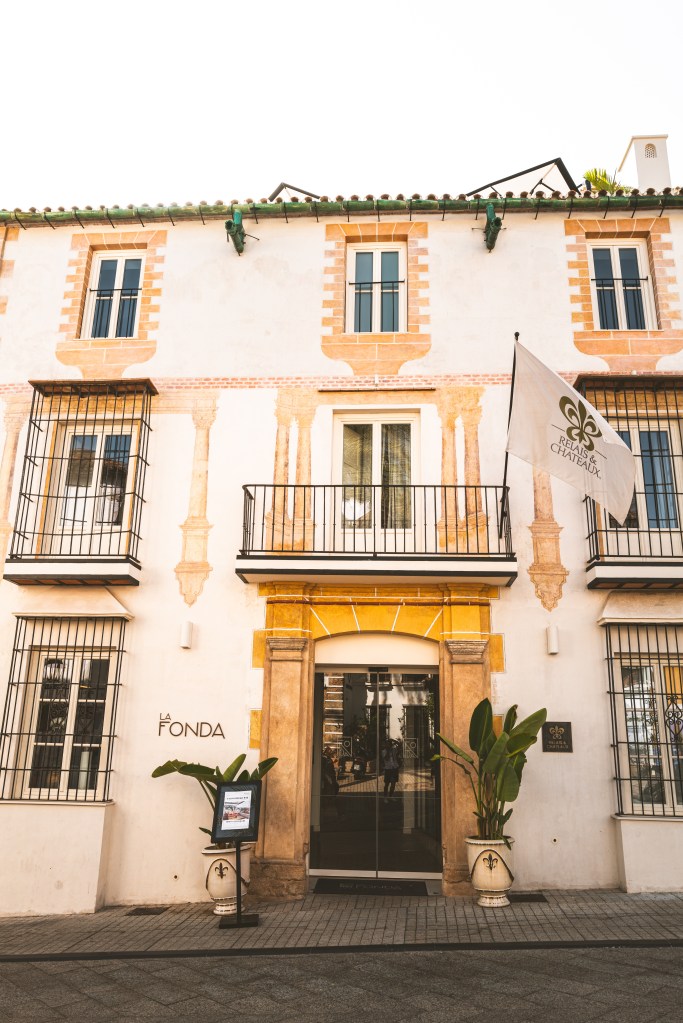
What was once a 16th-century church, later a school, then a private mansion, then Marbella’s first Michelin-starred restaurant, has risen again after a €7.5 million rebirth as the city’s first Relais & Châteaux. To enter from the Plaza de Santo Cristo, one of the prettiest squares in Andalucia, watched over by the tiny, whitewashed chapel of Santo Cristo de la Vera Cruz, is to step into a stage set where five centuries of Andalusian storylines have been cleverly spliced into a boutique hotel for the present day.
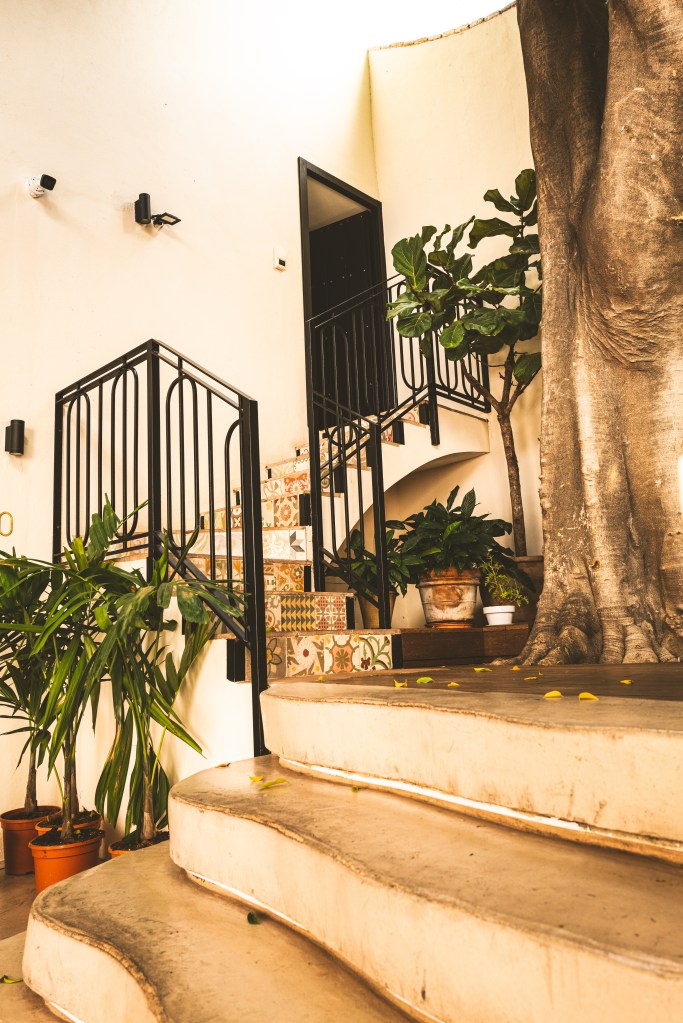
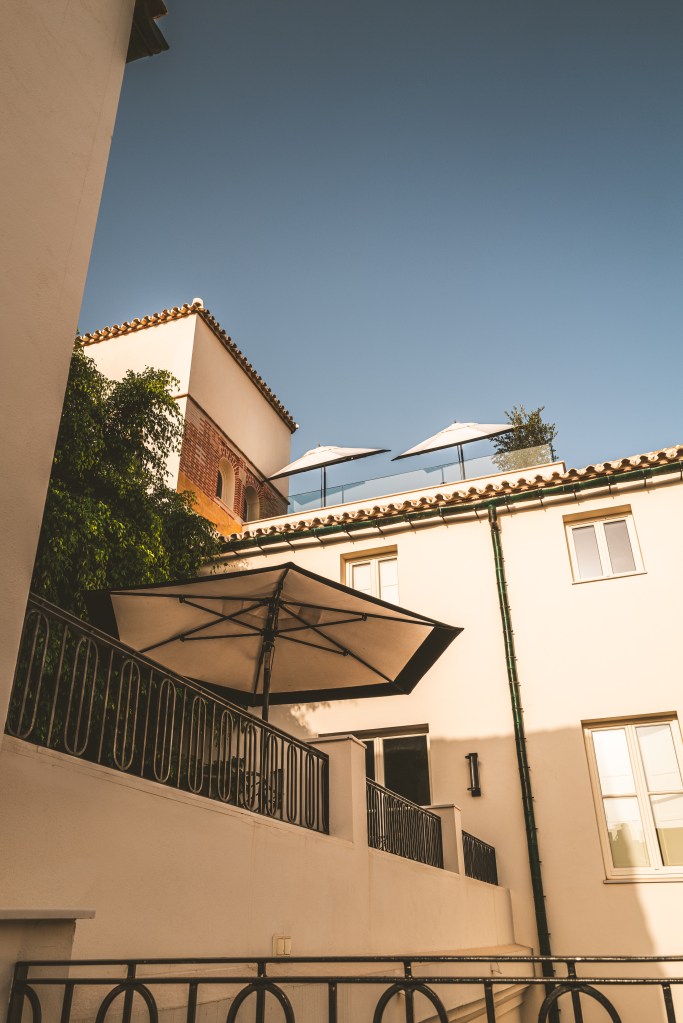
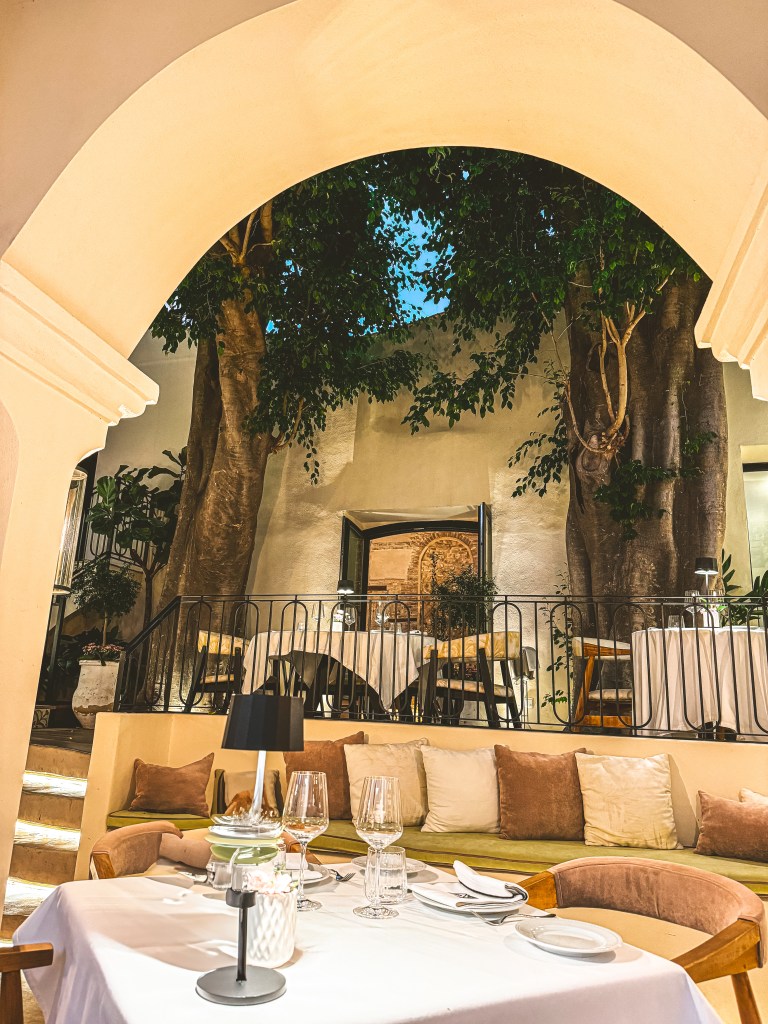
The bones remain: soaring archways, frescoed ceilings, painted walls, courtyards shaded by ancient trees. Yet the atmosphere is not dusty nostalgia but crisp, modern classicism. Nineteen rooms and suites orbit Andalusian patios, luminous with white-washed walls, wood-beamed ceilings and floor-to-ceiling glass. No two are the same: some spill out onto terraces that brush the boughs of 200-year-old palms, others conceal frescoes rediscovered only when workmen stripped back plaster. In our room, the Heritage Suite, 18th-century paintings preside over a salon of calm grandeur. Everywhere, the details whisper of care: Marshall speakers, Dyson air purifiers, monogrammed towels, and pillow menus that feel like a private sommelier of sleep.
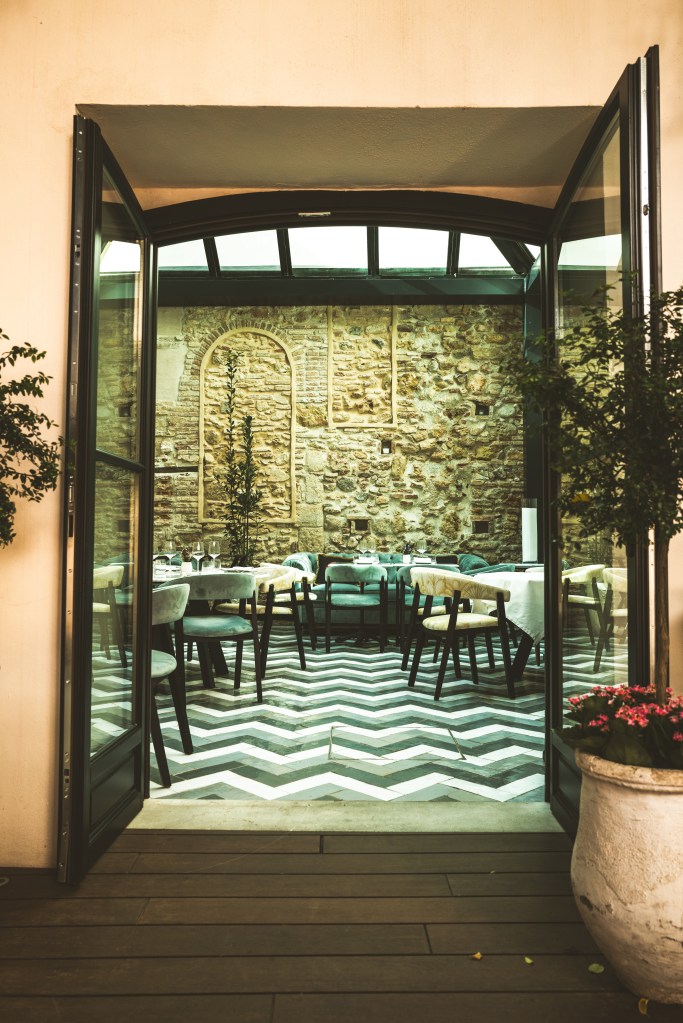
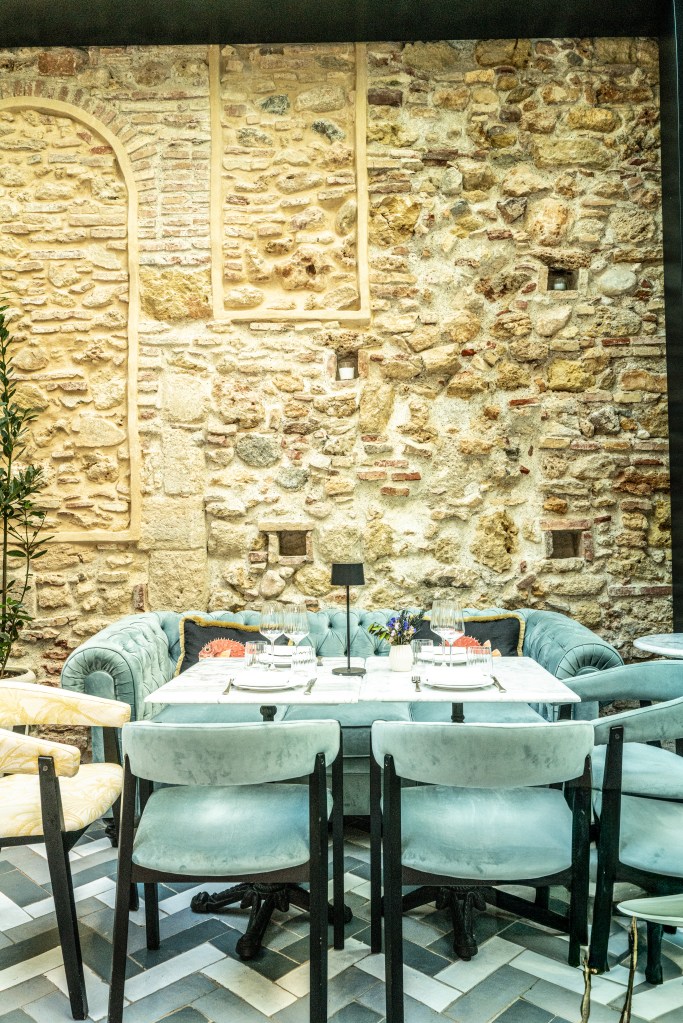
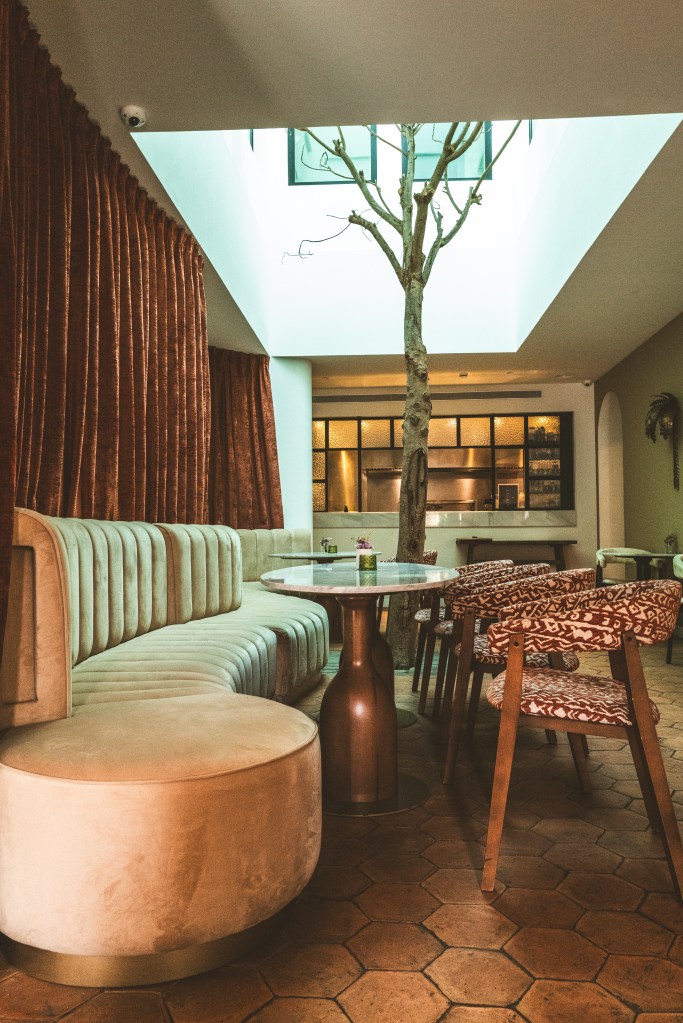
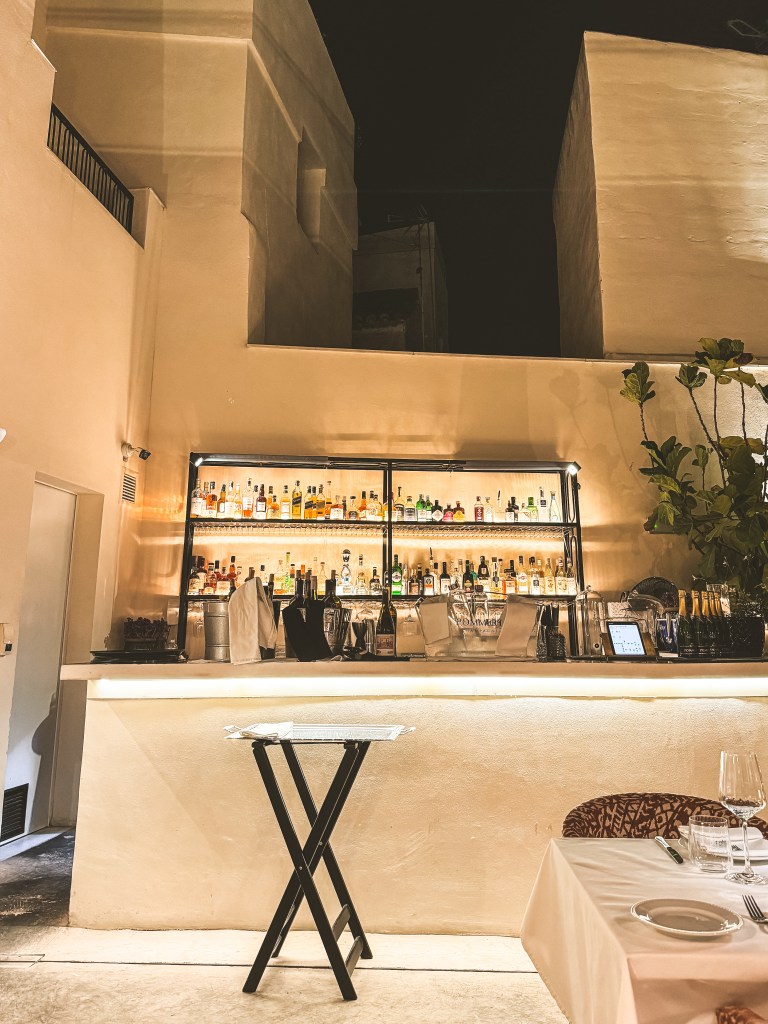
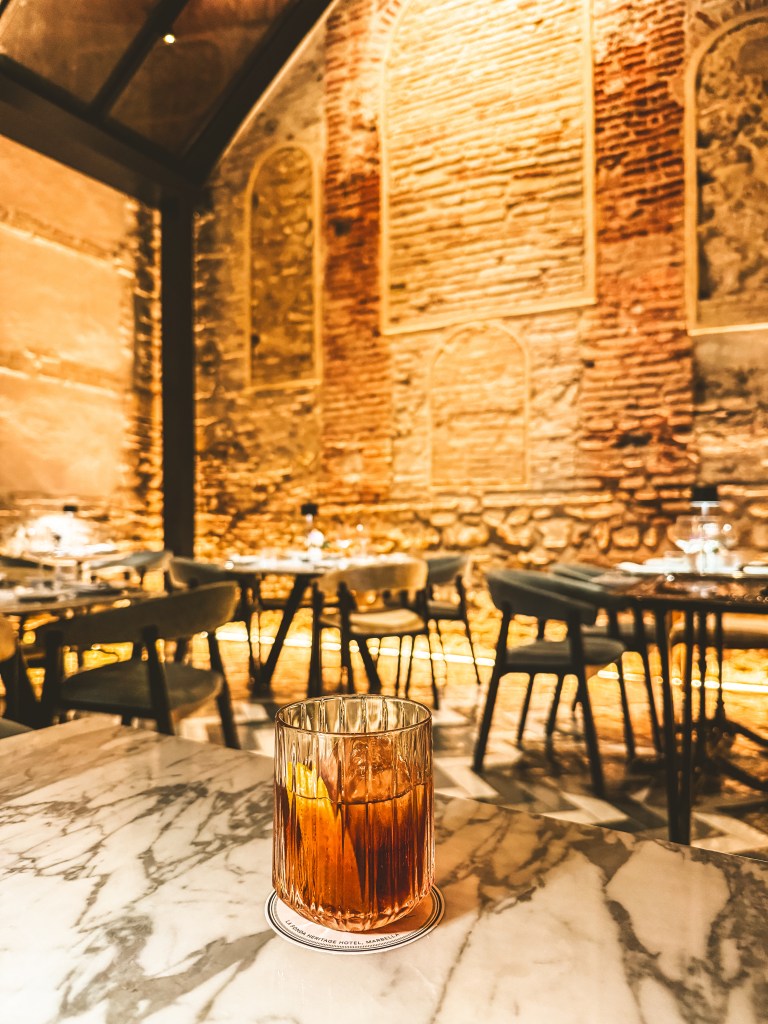
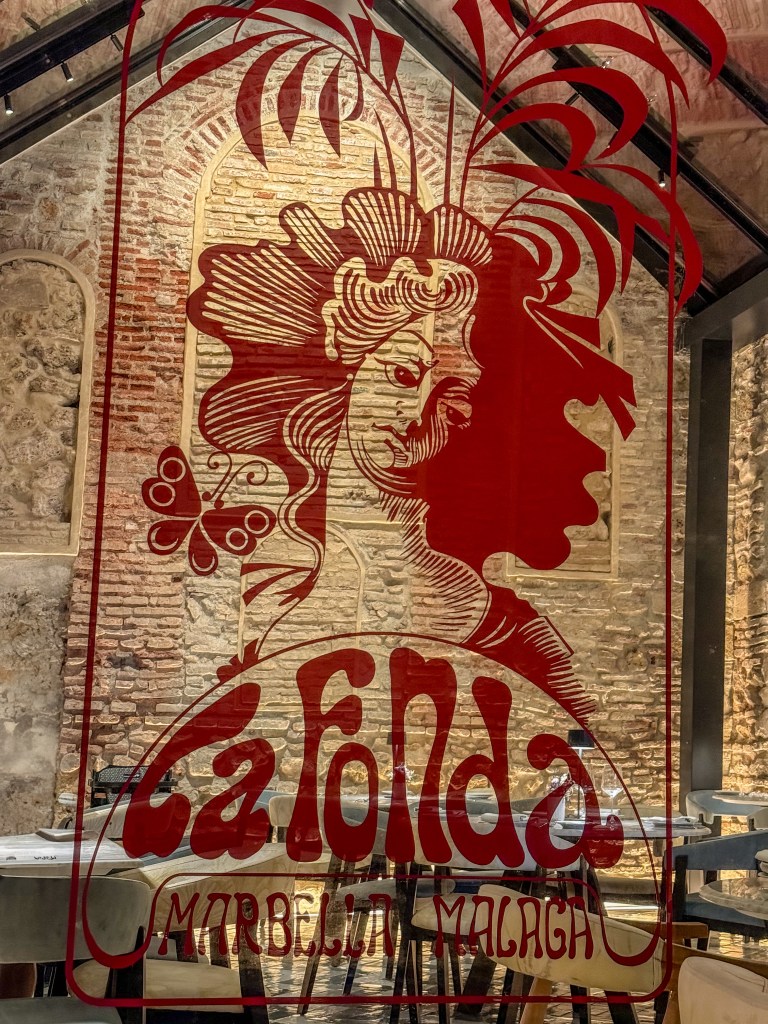
Dining, however, is where La Fonda struts its most theatrical step. Its rediscovered 16th-century hermitage forms the heart of the hotel’s restaurant, where honey-stone walls and zig-zag tiled floors glow beneath a glass roof. Executive Chef Jorge González Carmona, trained at Madrid’s Ritz and Robuchon’s kitchens, sends out Andalusian produce in modern dress: flame-grilled artichoke with squid, pata negra ravioli, lamb perfumed with Pedro Ximenez. Bread arrives with roasted garlic paste that could start a small addiction; cheese boards parade with Andalusian sherry; cocktails appear with candyfloss clouds, a wink to Marbella’s feria. Outside in the Garden Patio, Champagne flows beneath ancient walls, DJs spin beside orange trees, and a sense of Marbella’s golden age returns, albeit newly dressed.
For gentler moments, Los Patios de La Fonda stages breakfast and tapas among tiled courtyards, where a fountain burbles and the scent of jasmine lingers. The Sky Bar, La Cima, “The Summit”, opens on summer evenings, serving cocktails, raw plates and Champagne with sweeping views across the terracotta rooftops to the sea. Bring sunglasses and a decoy paperback: the people-watching rivals the panorama.
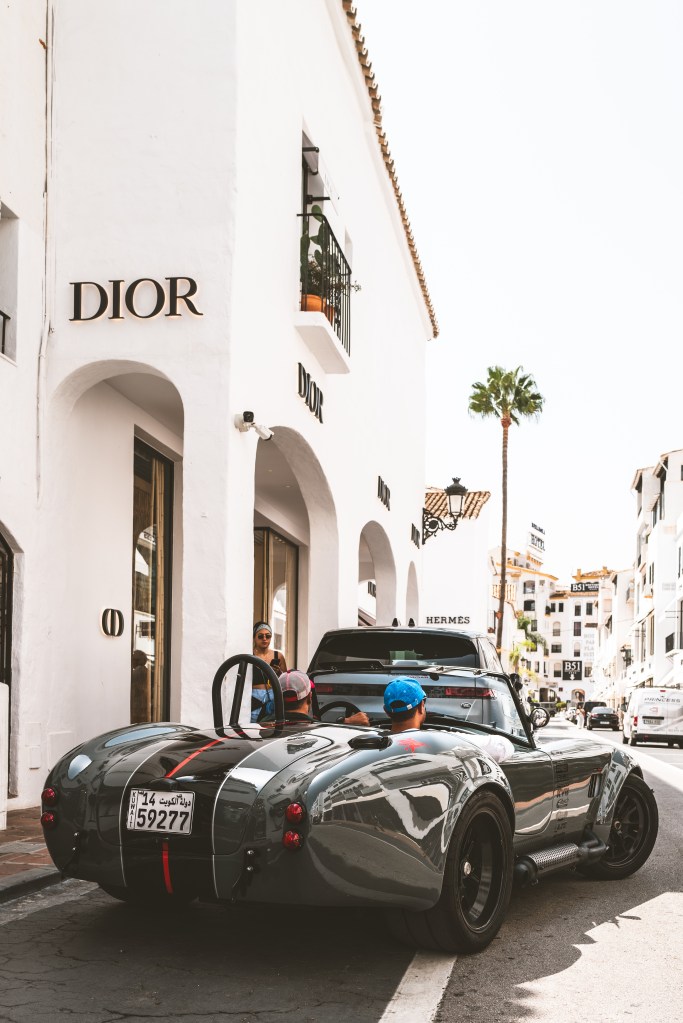
Step outside and Marbella’s casco antiguo hums with Andalusian rhythm: churches gleaming in lime stucco, plazas spilling with tapas bars, galleries tucked in alleyways, and the Mediterranean a short stroll away. La Fonda may be a new hotel, but it already feels eternal, less an arrival than a return, as though it had simply been waiting to slip back into Marbella’s story.
“Dining beneath a glass roof in a rediscovered 16th-century hermitage is as close as Marbella gets to theatre.”















 garychaplin.com