Portrait Firenze
Florence, Italy
I booked it on a whim after weeks of unexpected, unwelcome family drama, the sort of impulsive decision one can only justify on the grounds of needing Florence, and needing it quickly. There it was: a week carved out of the diary, and a hotel whose very name seemed to promise artistry. Portrait Firenze. We took the gamble. Florence rewarded us.
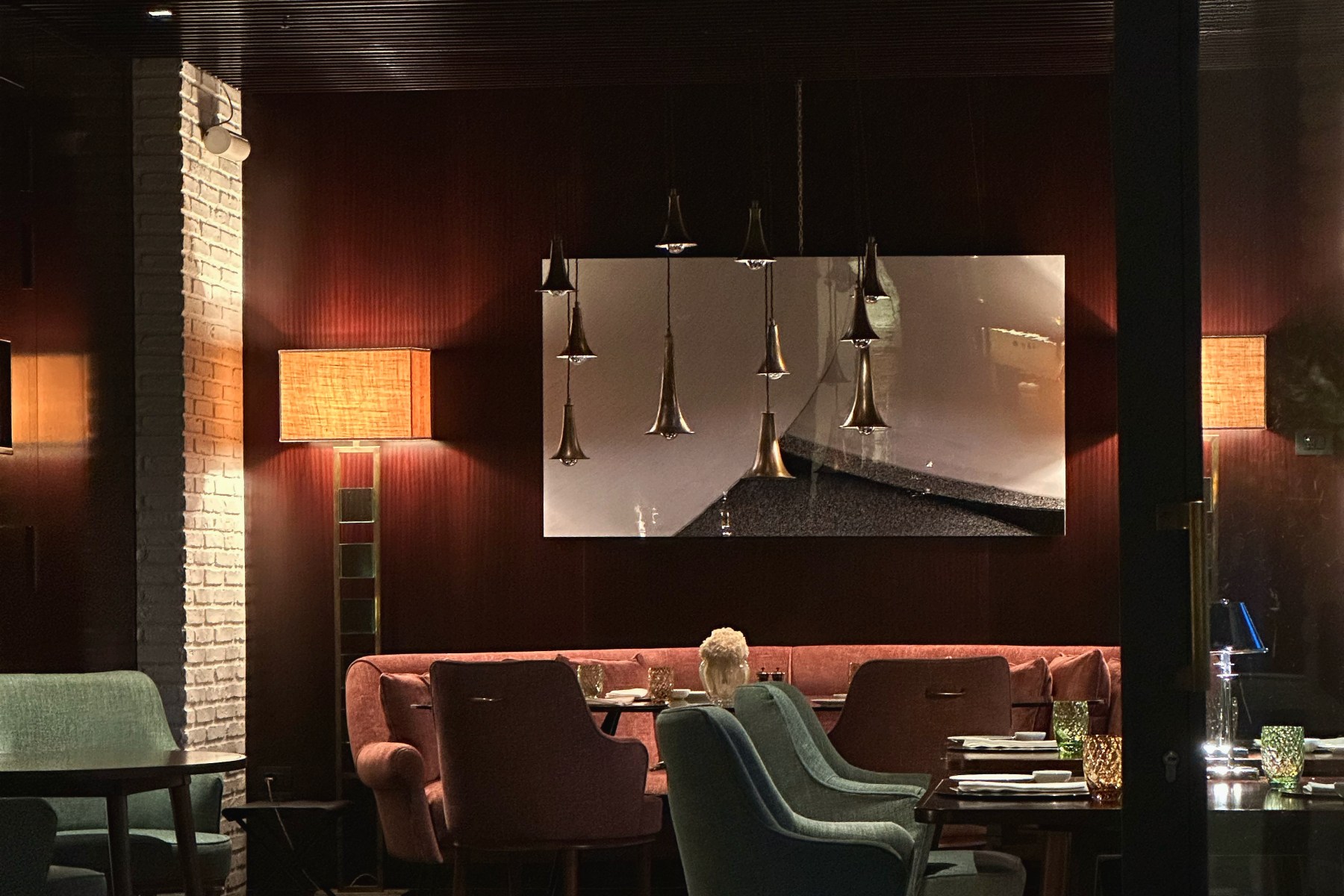
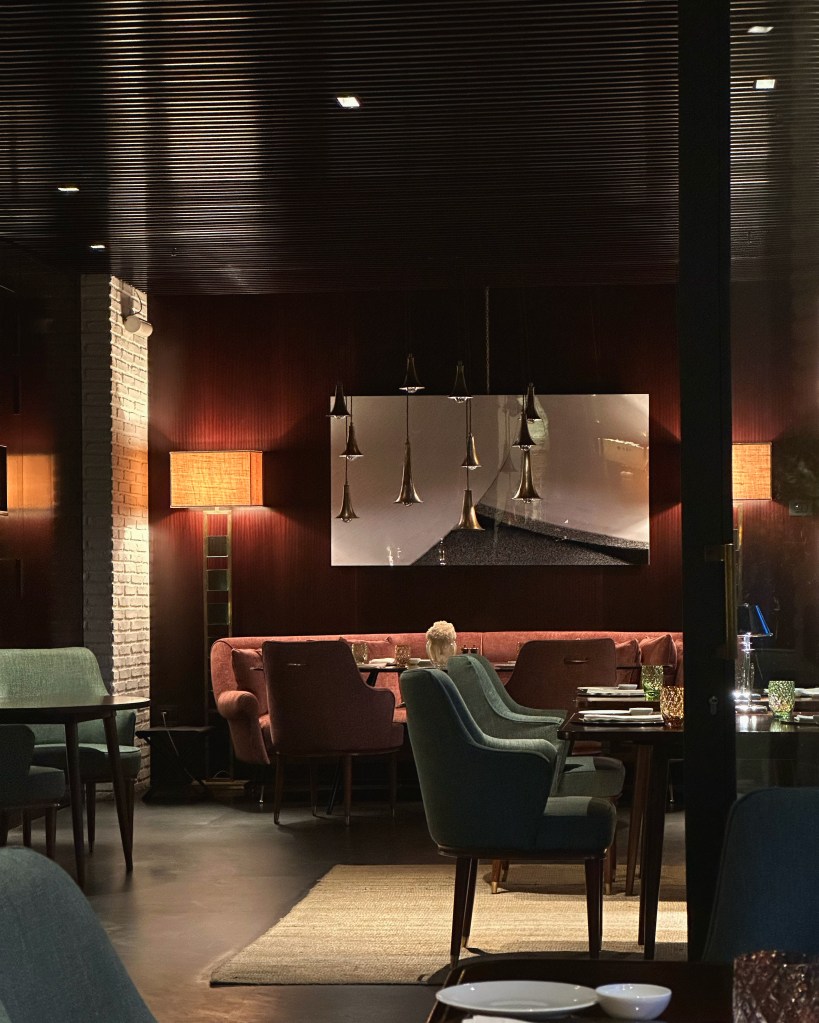
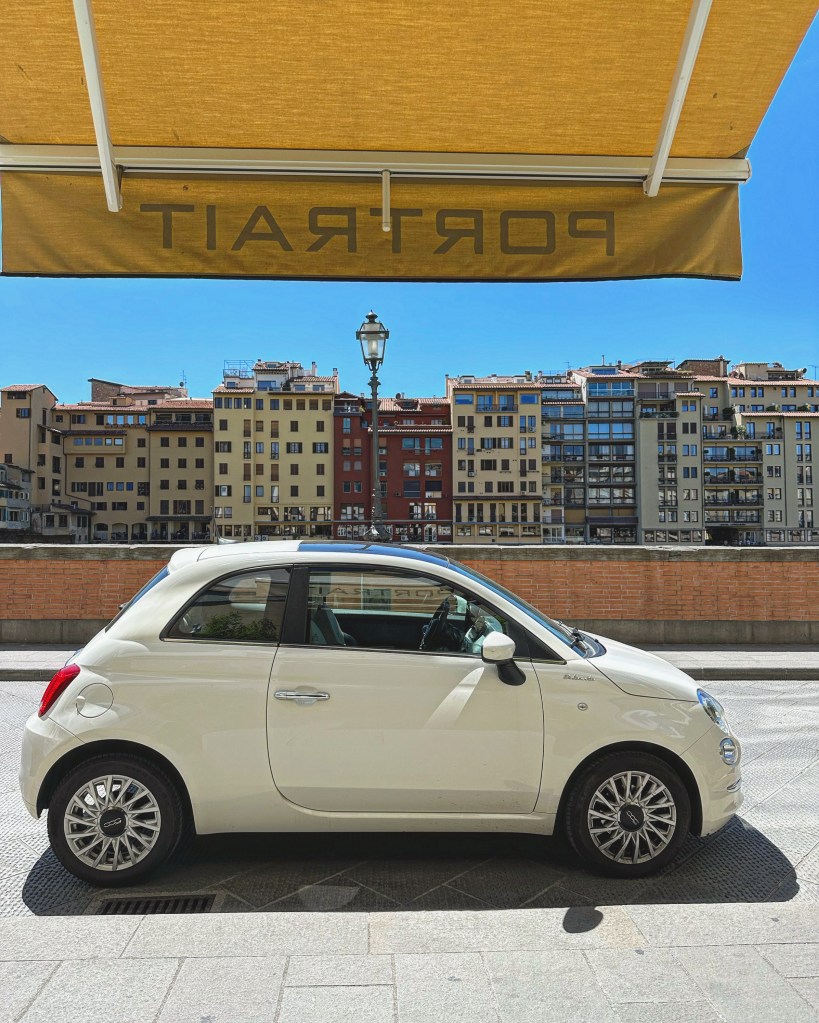
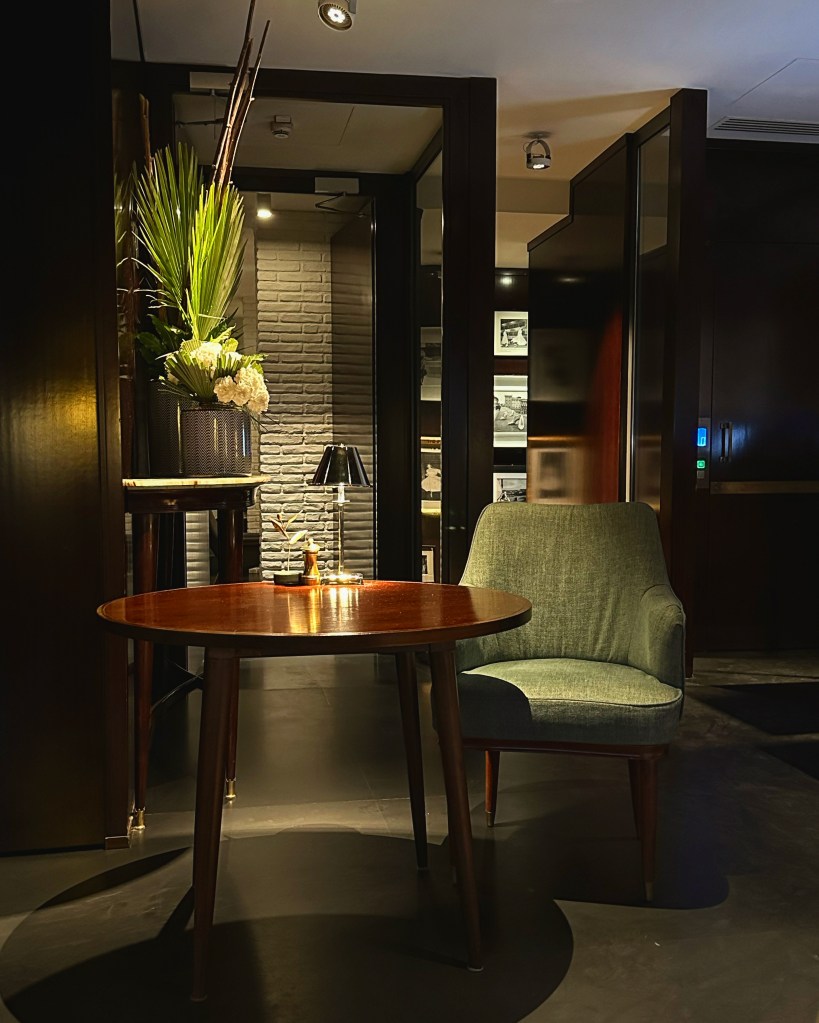
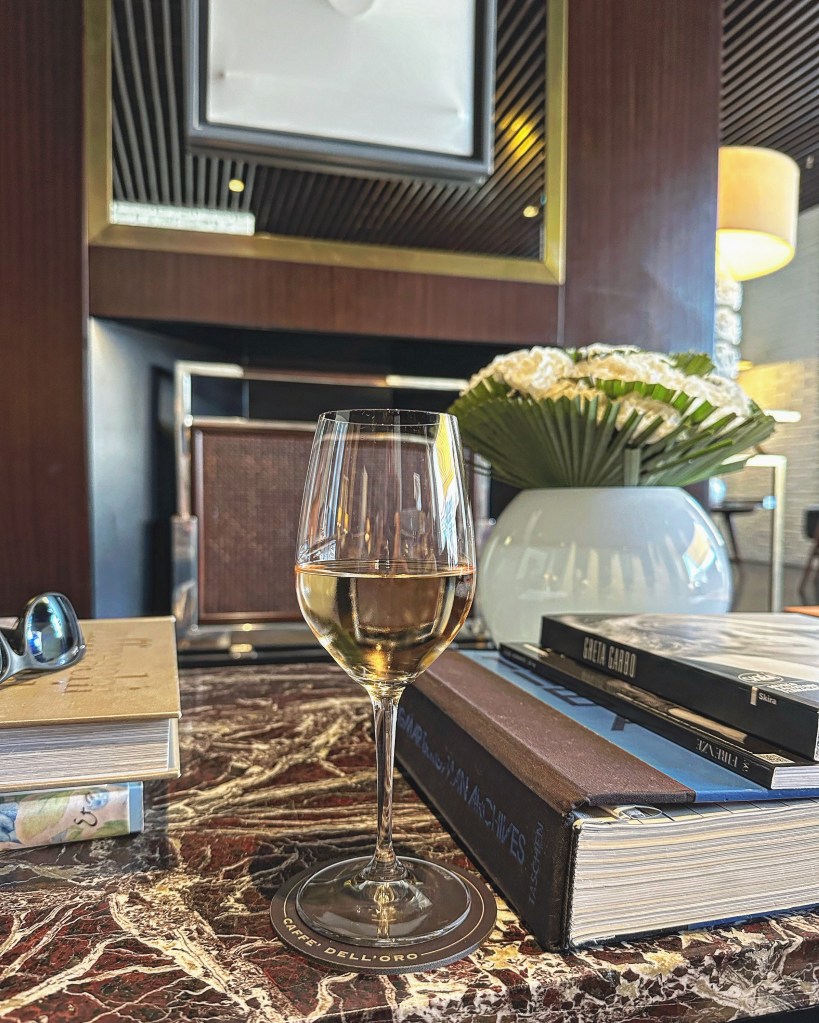
The location is absurd in its perfection. Step outside and the Ponte Vecchio looms inches away, ten minutes’ leisurely stroll reaches the Uffizi or the Duomo, saffron-hued buildings reflected in the Arno. Yet from inside, all is serene. The Florentine bustle outside fades into the hush of marble floors, velvet armchairs and mid-century chic conjured by Michele Bönan, designer of the Lungarno Collection. Owned by the Ferragamo family, the hotel has the poise of a finely tailored loafer: Italian to its last stitch, discreet, never gaudy, cut perfectly to fit.
Our suite was a play in three acts. The sitting room, refashioned into a private bedroom for my daughter, complete with her own bathroom and privacy. A dressing room large enough to merit its own postcode. And then the master: bed vast, linens impeccable, curtains framing the Arno like a Renaissance canvas. Kitchenette hidden behind lacquered doors unused save for the espresso machine, Ferragamo toiletries not merely consigned to the bathrooms whose marble surfaces gleamed complimented by chrome and soft light; the sort of place you invent excuses to linger. Fresh flowers appeared daily, the air perfumed faintly and unsurprisingly with Salvatore Ferragamo’s signature Bianco di Carrara scent. Each night we slept as though the river itself had sung us into dreams.
The staff were flawless, every one of them. Concierge, front desk, housekeeping, bar, all Ferragamo-clad, all intuitive, never mechanical. They went beyond helpful, beyond polite. One evening, when my daughter’s illness led to a last minute cancellation Borgo San Jacopo, the Michelin-starred sister restaurant across the river, the team conjured an alternative, setting us at an outdoor table in the hotel, checking on her, caring as though she were family. Service here was not an act, but an instinct.
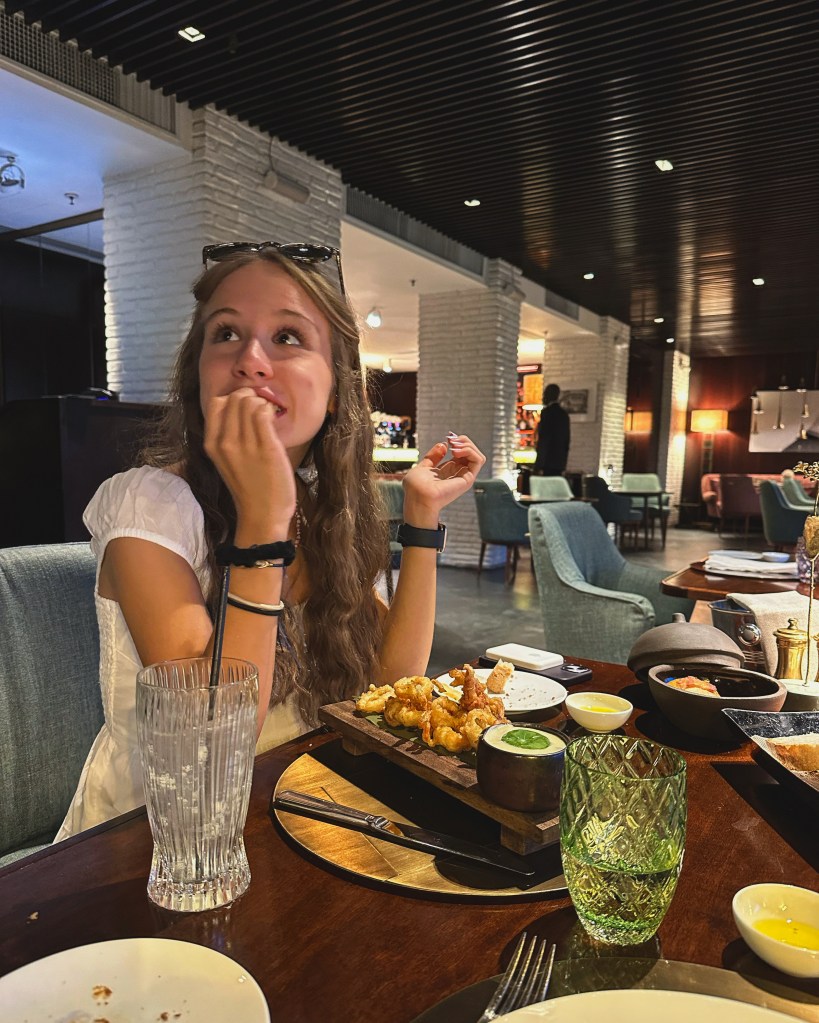
Caffè dell’Oro, the hotel’s riverside bistro, became our daily anchor. Indoors, chic calm with picture windows; outdoors, Florence strolled past as we lingered over espresso and pastries. Lunch brought calamari tempura or risotto with lime and shrimp; dinner might be veal cutlets or sea bass with coconut vegetables, contemporary Italy with a global wink. The breakfast buffet was scandalously generous, and every cappuccino perfectly weighted between foam and coffee.
The Portrait has only thirty-odd suites, which explains its atmosphere: boutique, private, almost club-like. Guests are given museum passes and a discount at the Ferragamo boutique on via Tornabuoni, a neat reminder that this is a family empire as much as a hotel.
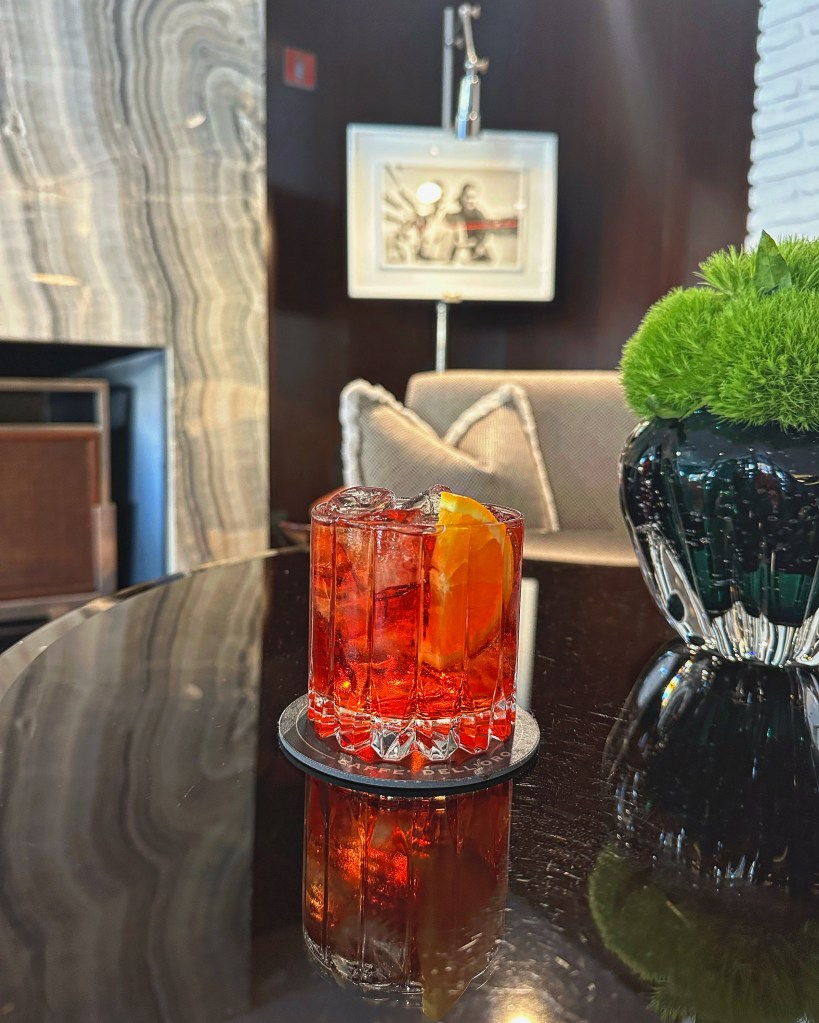
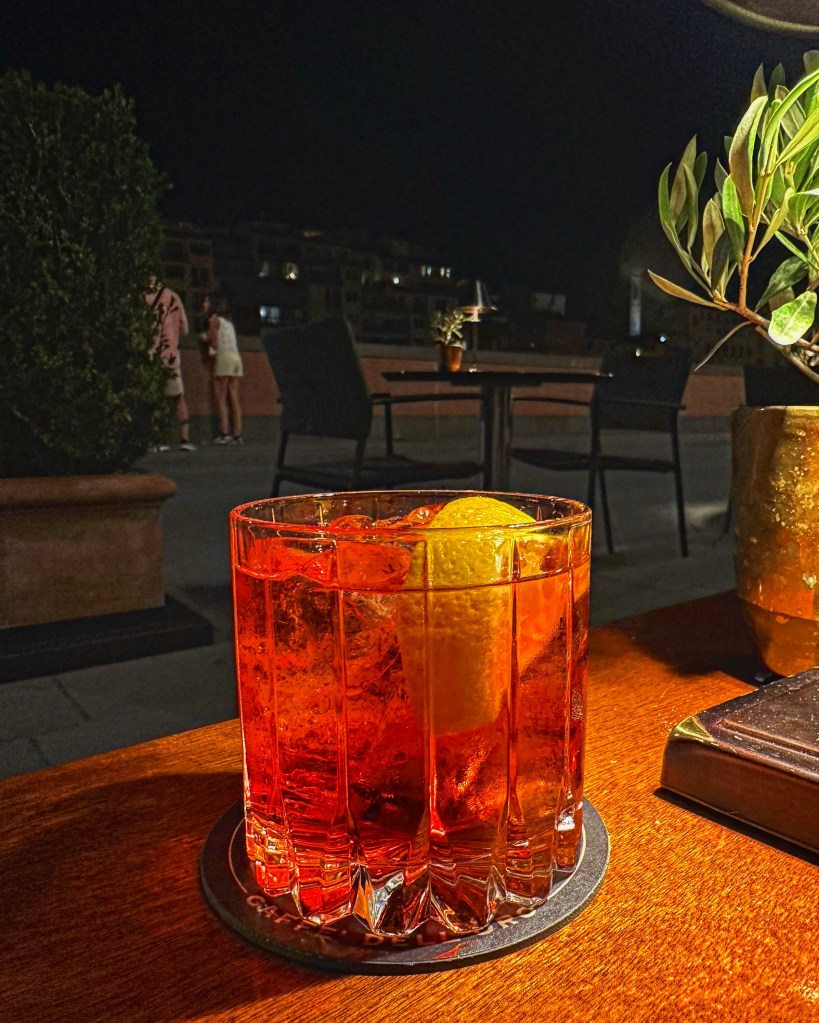
Evenings were spent with a Negroni in hand, sat in Signor Ferragamo’s favourite seat on the nights he was not present, the Arno catching the last of the sun, models and novelists drifting by as if in rehearsal for a film. Florence has plenty to seduce, the Uffizi, the Duomo, the shopfronts of via Tornabuoni, but at times it was hard to leave. The hotel was too compelling, too perfectly measured.
By the week’s end we were reluctant to go. Florence would remain, but the particular magic of Portrait Firenze, the warmth of the staff, the chic of its design, the way it wraps you in privacy even while perched on the busiest stretch of riverbank, would draw us back as much as the Medici’s multigenerational building. We left with gratitude, promises, and the certainty of return.
Grazie, ragazzi. Grazie, tante.
“It is not just a hotel but a stage set, where you are cast, inevitably, as the glamorous protagonist.”



 garychaplin.com