Florence in 21 Scenes: From Domes to Gelato
Florence is not a city so much as a fever. A place where marble and imagination once conspired to alter the course of civilisation. The Medici, those velvet-gloved patrons with iron fists beneath, bankrolled the very idea of the Renaissance here; Brunelleschi raised domes against reason itself; Michelangelo carved men from stone who seemed more alive than their sculptor.
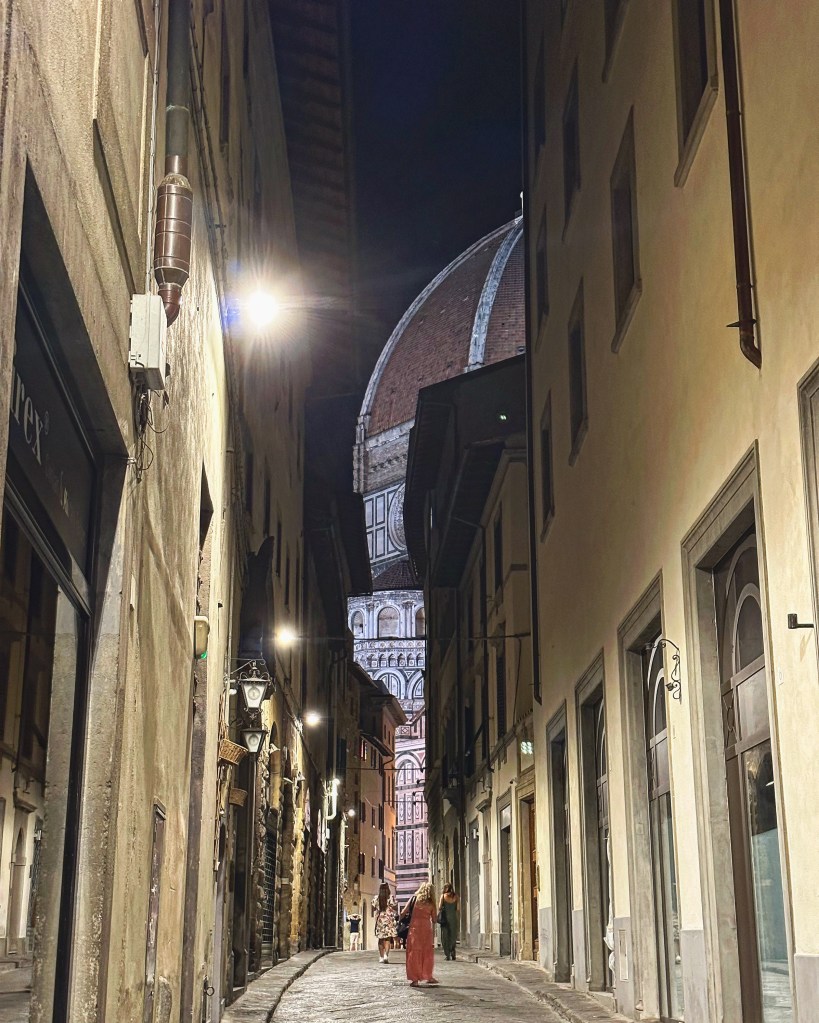
To walk these cobbled streets is to walk through a conspiracy of genius, where every piazza hums with history and every church wall hides another masterpiece. Florence does not merely wear its past, it performs it, nightly, for anyone willing to look up from their Negroni (or gelato).
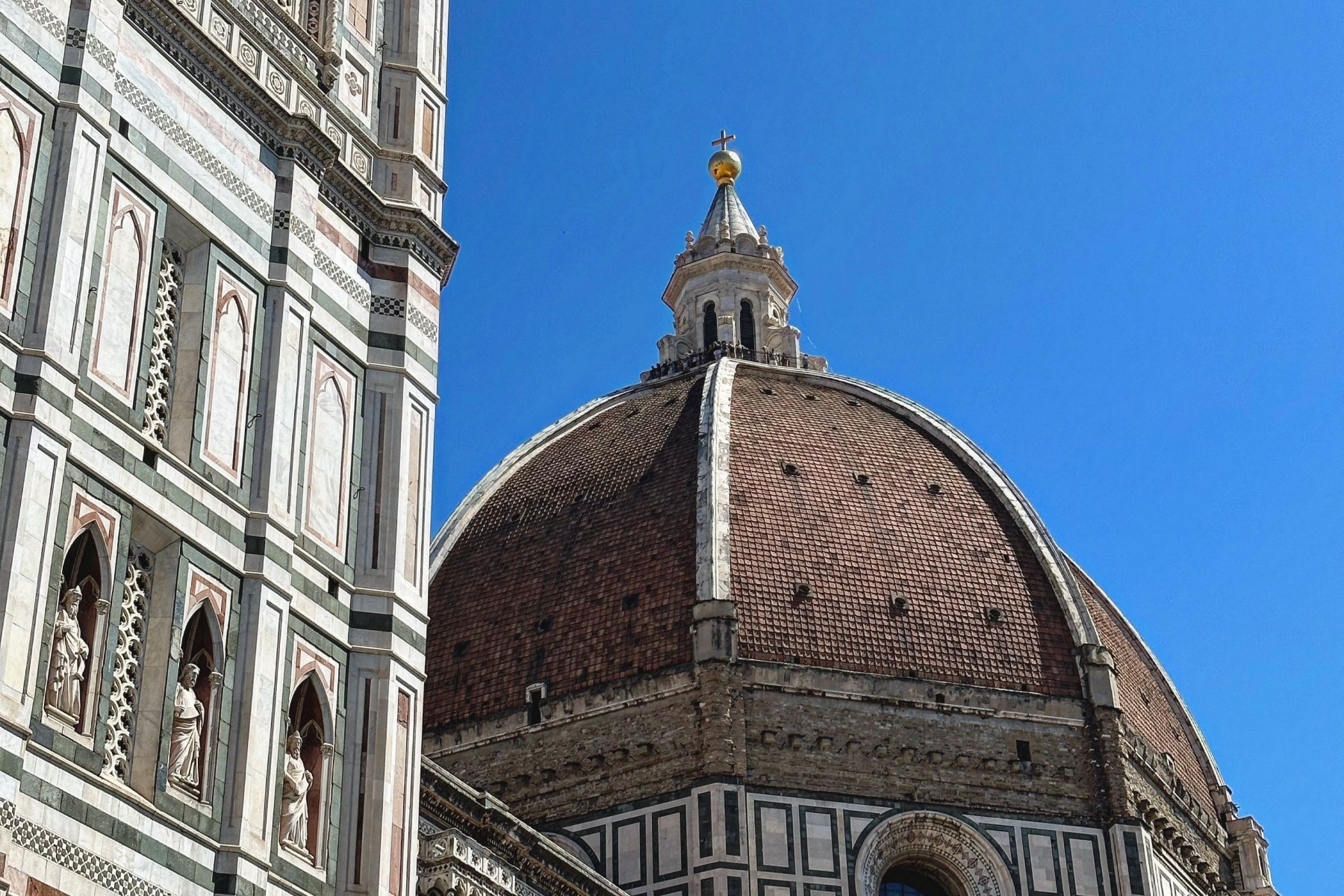
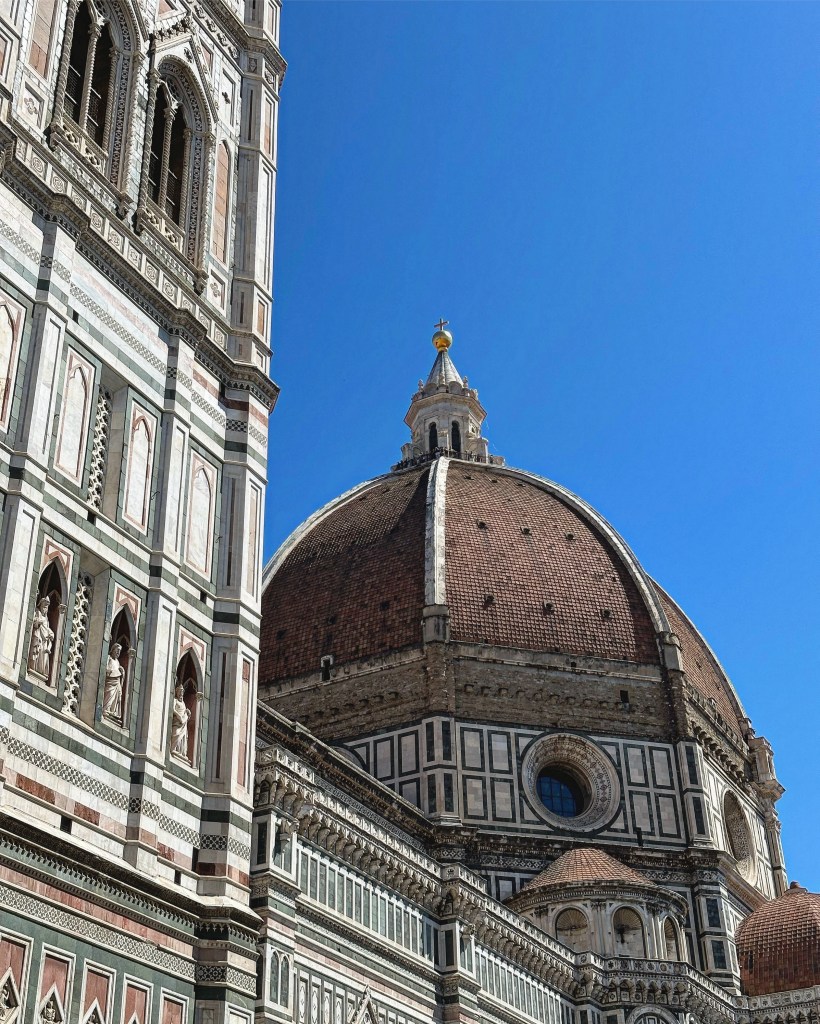
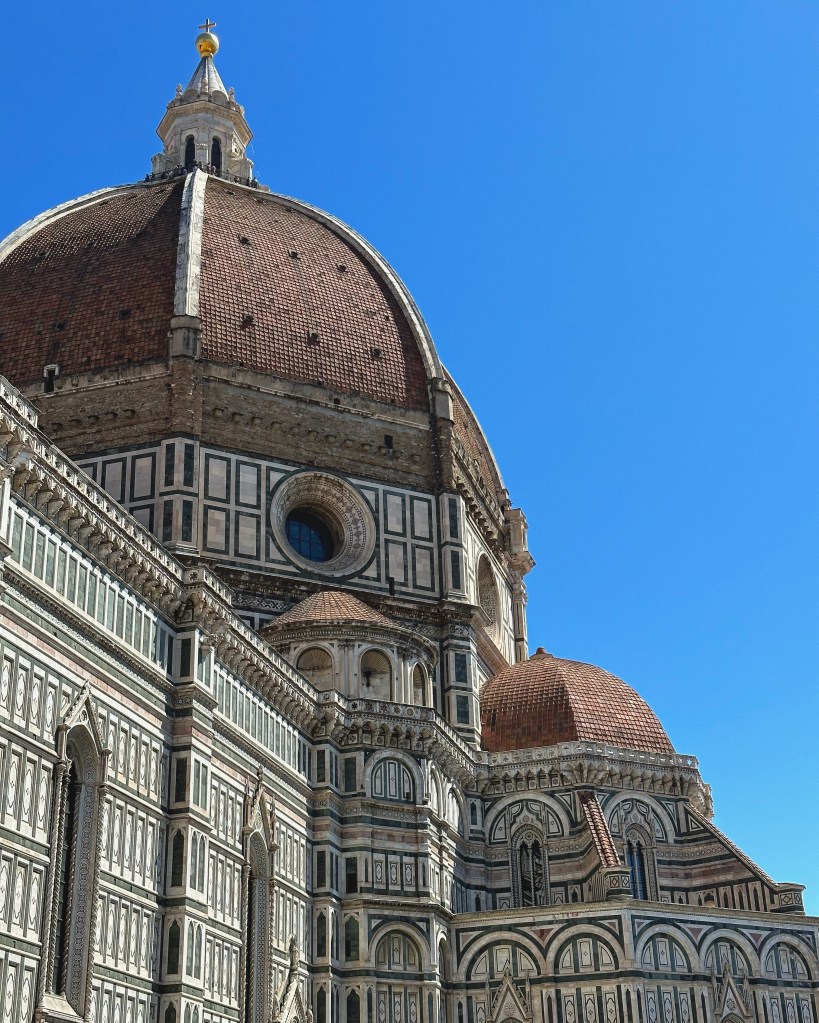
1. Climb Brunelleschi’s Dome
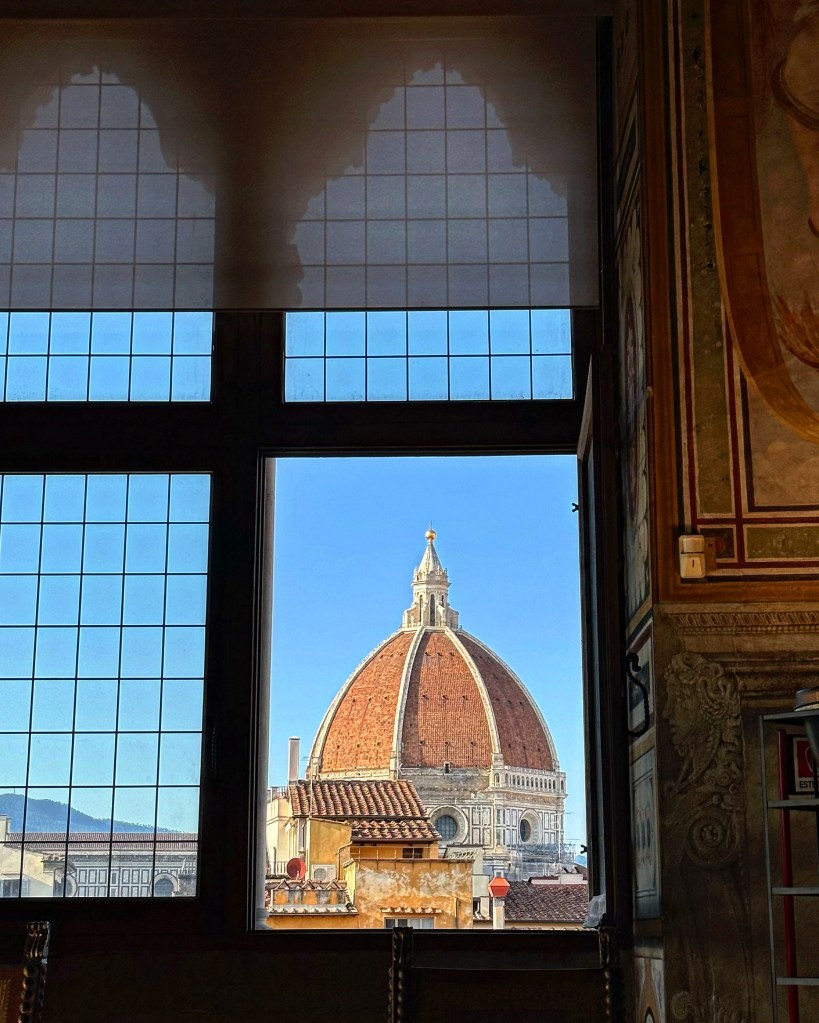
A feat of engineering so audacious it defied logic in 1436 and still does today. The narrow climb spirals between inner and outer shells before releasing you onto a terrace where all Florence lies beneath you, red-roofed and timeless.
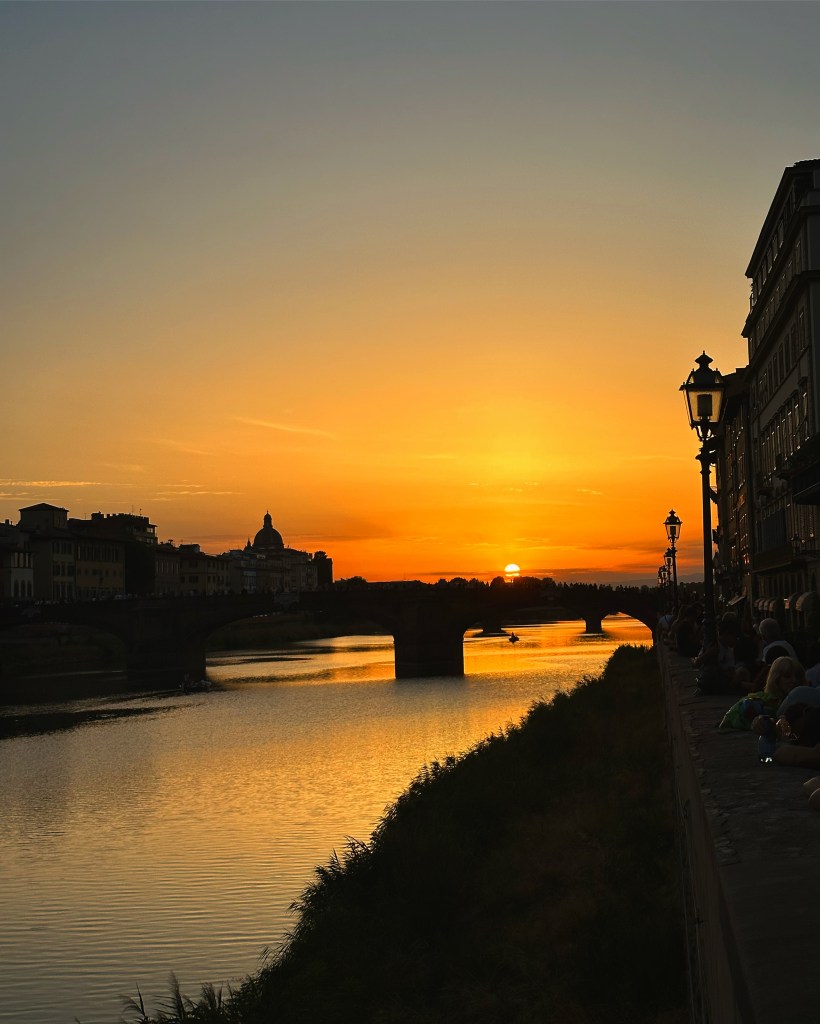
2. Sunset at Piazzale Michelangelo
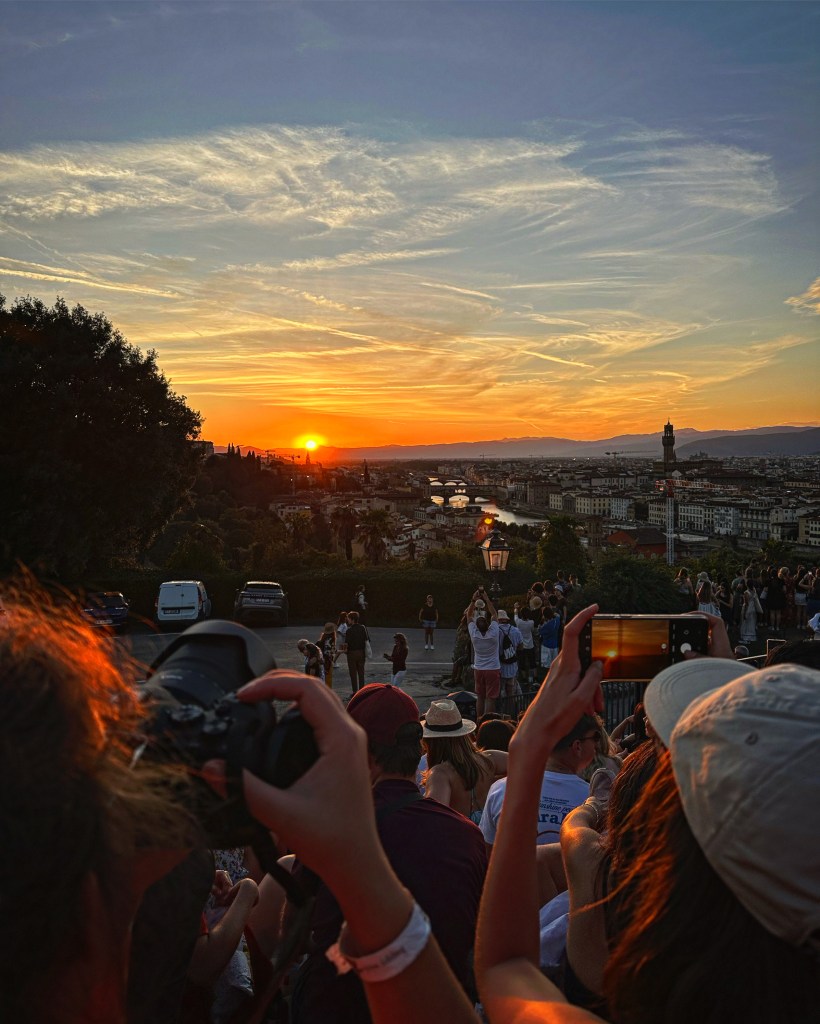
The classic view of Florence, but at sunset: the Arno coiled in gold, the Duomo blazing orange, church bells ringing in chorus. Go an hour before the sun sets, join 1000s of others doing the same, sit on the stone steps with a pizza and/or a bottle of Chianti and join the city in applauding its own skyline. Walk back into the city via a(nother) Pizza at Osteria del Caffè Italiano
3. The Uffizi Gallery
A gallery so laden with genius it should come with a health warning. Botticelli, Caravaggio, Raphael, da Vinci, all shoulder to shoulder in corridors that turn art history into sensory overload. Pre-book tickets to save an hour of queueing.
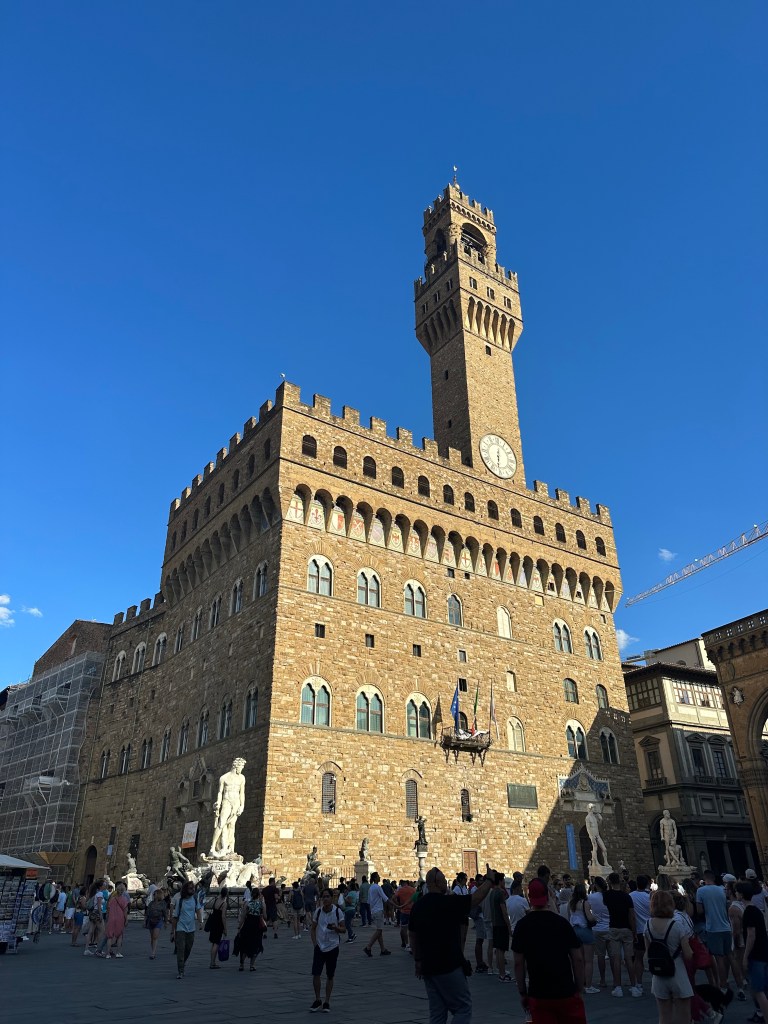
4. Palazzo Vecchio
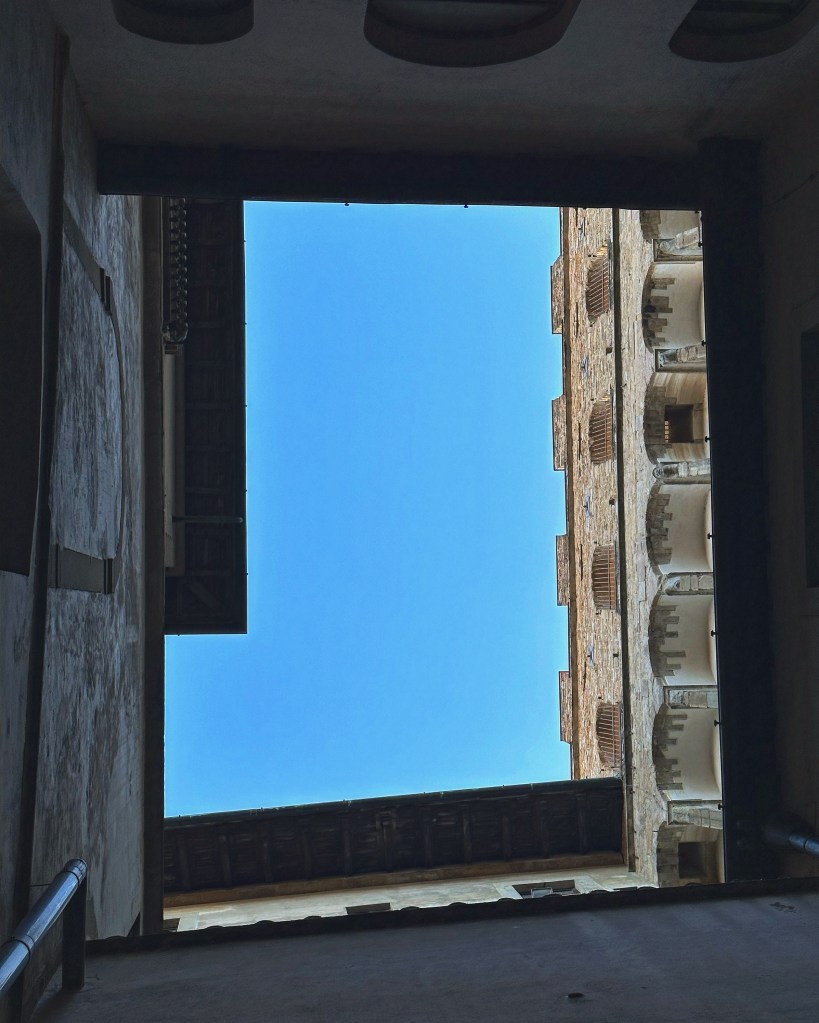
Florence’s town hall, fortress and theatre of politics since 1299. Inside, Vasari’s frescoes thunder Medici propaganda, and Dante’s mask; outside, Piazza della Signoria becomes an open-air stage of statues and outdoor bars/cafes.
5. Ponte Vecchio
The bridge of goldsmiths, a medieval survivor spared by Hitler’s retreat. Once the haunt of butchers, today its jewellers glitter over the Arno, making even a stroll feel extravagant.
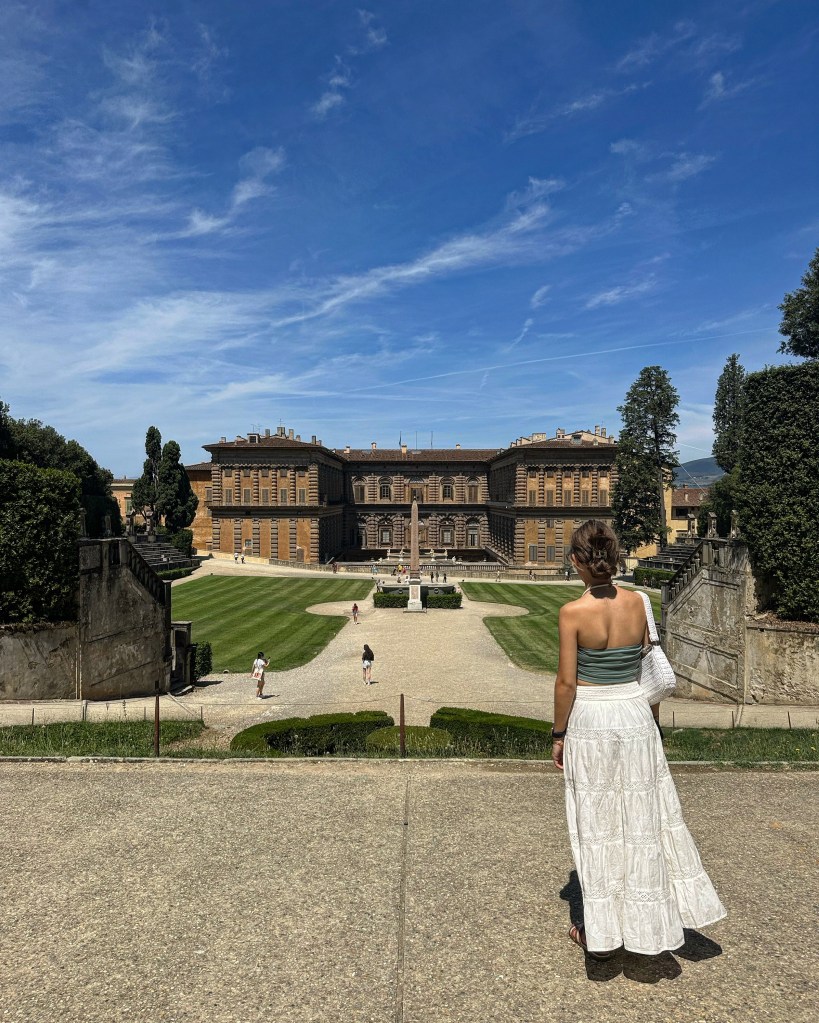
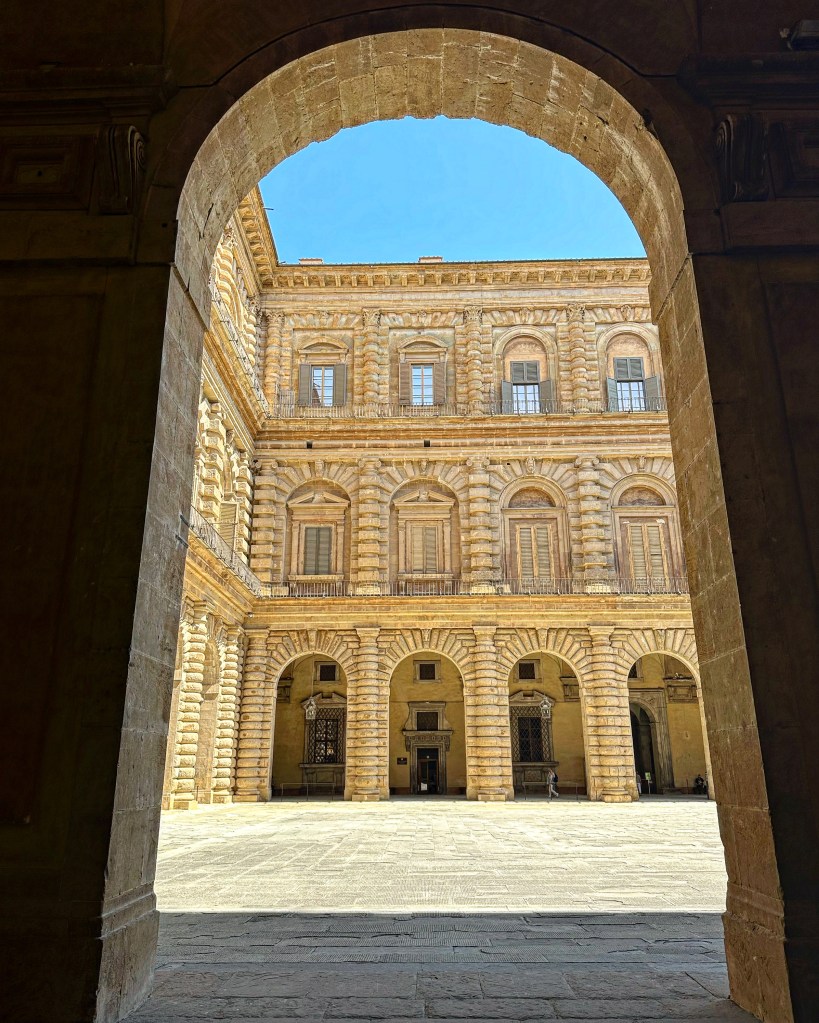
6. The Pitti Palace & Boboli Gardens
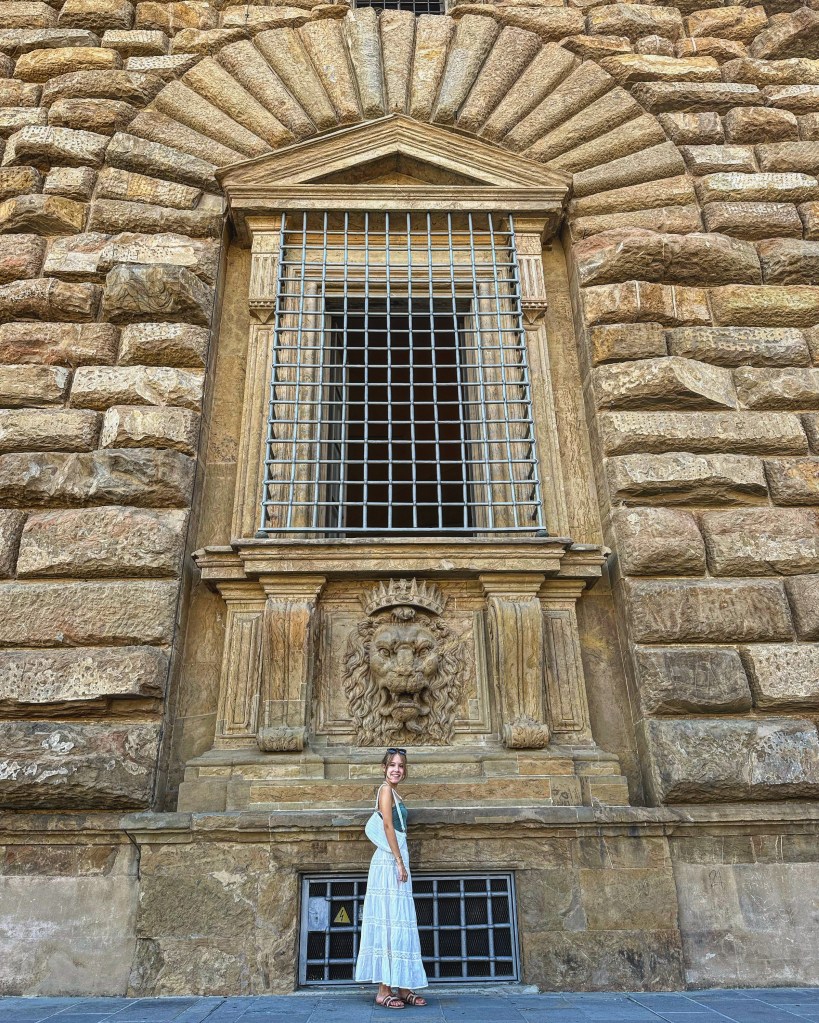
The rival banker’s house the Medici couldn’t resist owning. Inside, a labyrinth of galleries stuffed with Raphaels, Titians and Rubens, its rooms echoing with centuries of power dressed as art. Outside, the gardens, behind the Pitti Palace, this is landscape as performance. Formal avenues, grottoes, fountains and ancient oaks, the Medici’s outdoor stage, yours to wander.
7. Galleria dell’Accademia – somewhat unassuming home of Michelangelo’s ‘David’, definitely worth it. Pre-book tickets to save an hour of queueing. You only need 60-90mins there.
8. Gelato at Vivoli
Florence’s oldest gelateria, scooping since 1930. No flashy colours, just dense, creamy perfection, pistachio like velvet, chocolate with bite, hazelnut that tastes like the nut itself. Perhaps all trumped by their world beating affogato.
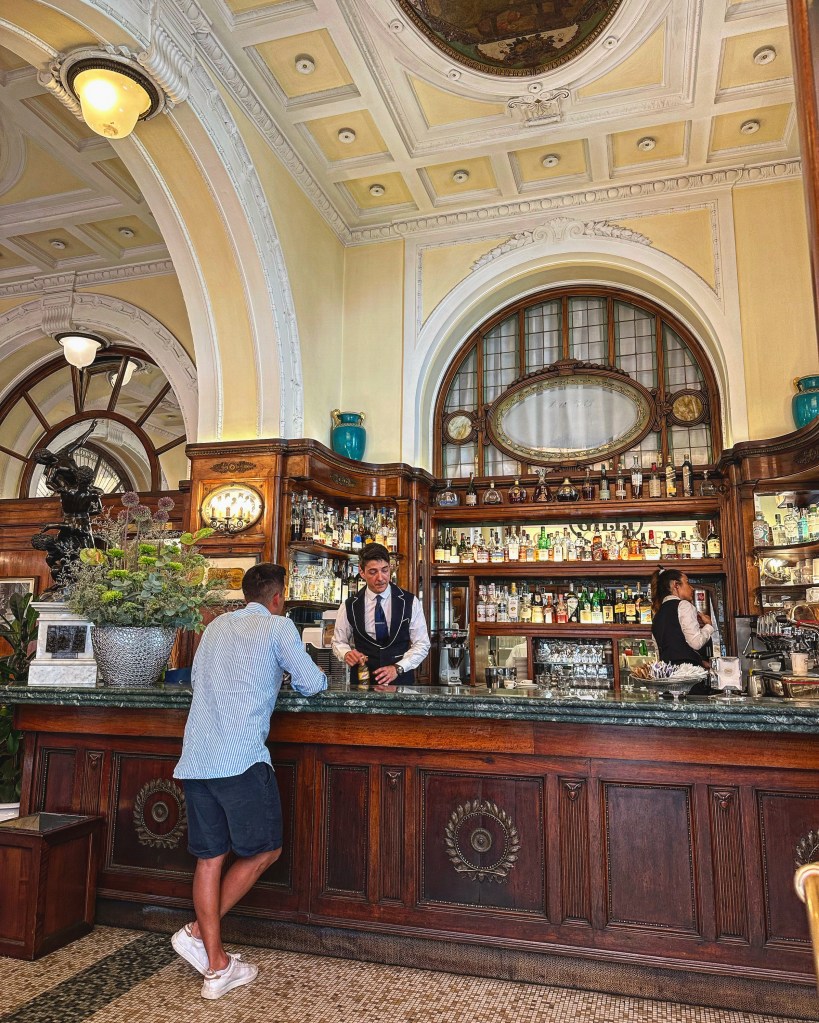
9. Caffè Gilli
Since 1733 the city’s grand salon on the vibrant Piazza Della Republica. Liberty-style mirrors, marble counters, the clink of china. Coffee here is not a drink but an historic performance, and the Negroni has rarely been bettered.
10. Mercato Centrale
A temple to Tuscan appetite. Downstairs: market traders shouting over wheels of pecorino, pyramids of tomatoes and hanging salami. Upstairs: a sleek food hall where you can graze from truffle pasta to wood-fired pizza, each plate a hymn to local produce.
11. Officina Profumo-Farmaceutica di Santa Maria Novella
Founded by Dominican friars in 1221, this is the world’s oldest pharmacy and still unquestionably the most beautiful. Vaulted ceilings, frescoed walls, jars of potions and perfumes. Catherine de’ Medici’s favourite colognes are still sold here (and exported around the world), proof that Florence has always bottled beauty.
12. Biblioteca Marucelliana
Florence’s first public library, founded in 1752, with reading rooms that smell faintly of leather and scholarship. Its baroque halls are quieter than any church, lined with ancient tomes and portraits of stern benefactors watching over the curious.
13. Caffè Giacosa
Once the fashionable haunt of Florentine society and birthplace of the Negroni itself. Though Gucci now owns the space, the legend lingers: to sip here is to raise a glass to Count Camillo Negroni, who first demanded gin in his Americano. [if you don’t have a Negroni here, we cannot be friends]
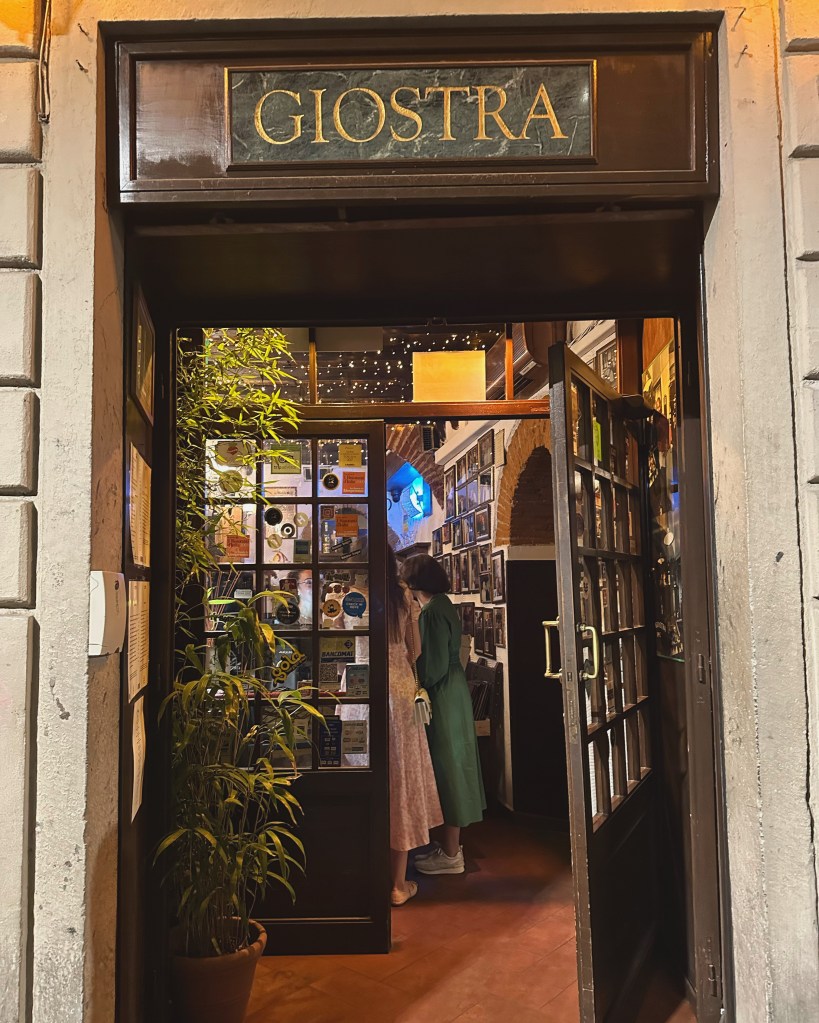
14. La Giostra
A fairy-lit trattoria where an Austrian prince presides in braces, serving pear and pecorino ravioli and bistecca alla Fiorentina to the great and the grateful. Loud, theatrical, delicious.
15. Gucci Osteria
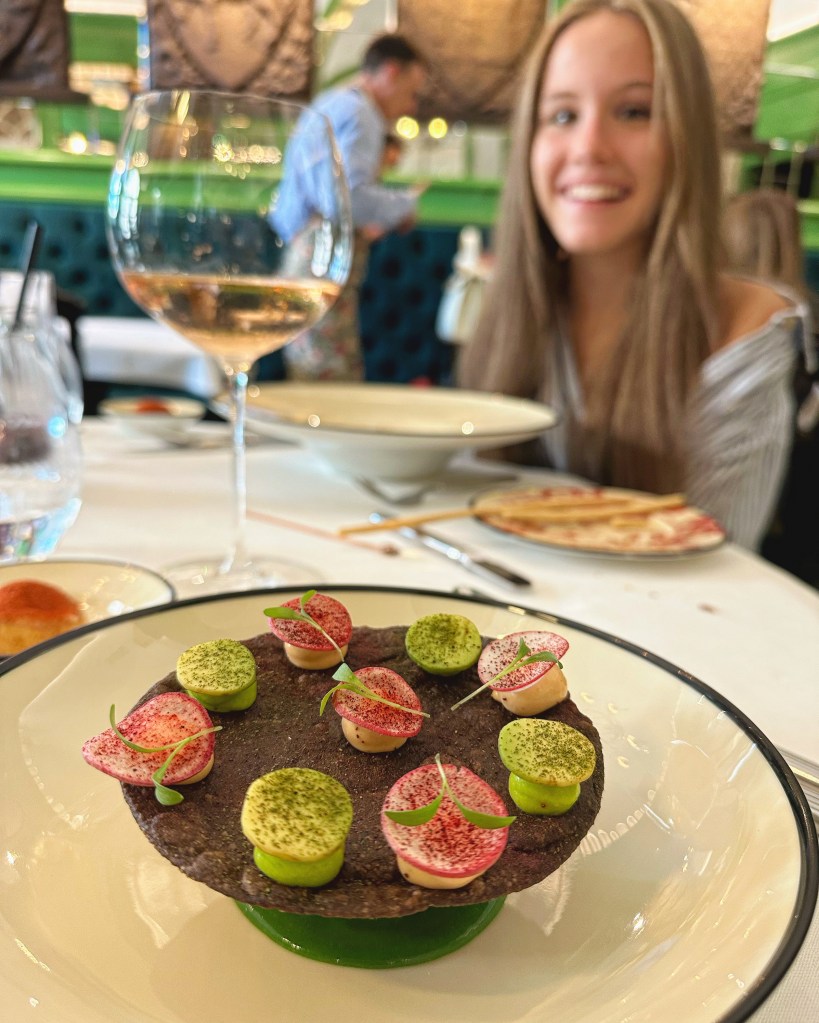
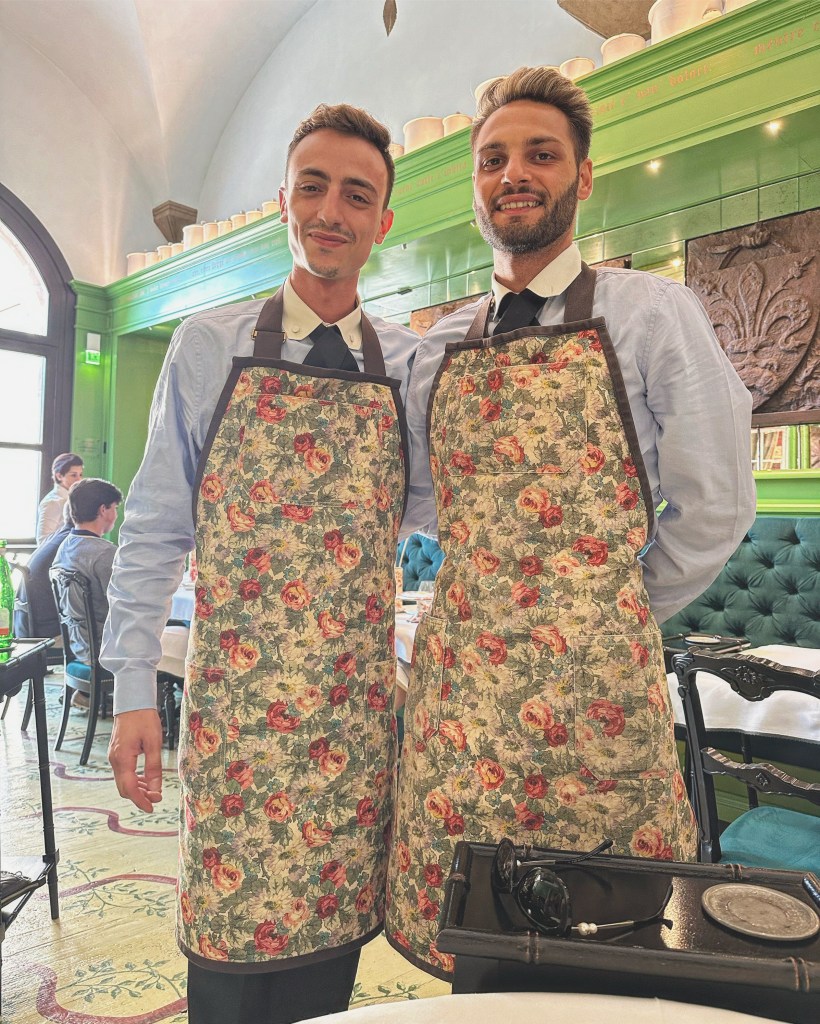
Massimo Bottura’s Michelin-starred ode to Florence, hidden inside the Gucci Garden. Fashion meets food: tortellini plated like jewellery, tradition cut on the bias, indulgence stitched to perfection.
16. Harry’s Bar
Florence’s Riviera since 1953. Hepburn and Loren once drank here, and its Negroni is still as sharp as the linen jackets that populate its Lungarno terrace.
17. Borgo San Jacopo
Michelin-starred dining almost hanging over the Arno. Dishes arrive like theatre, the wine cellar is encyclopaedic, and the Ponte Vecchio looms like a stage backdrop.
18. Santa Maria Novella
Florence’s first great basilica, striped in green-and-white marble, sheltering Masaccio’s radical Trinity. It is both lesson and sermon, perspective and prayer fused in stone.
19. Santa Croce
The burial ground of genius: Michelangelo, Galileo, Machiavelli. A vast Gothic nave filled with ambition, and frescoes by Giotto reminding us Florence worshipped art as much as saints.
20. San Lorenzo Market
Leather is Florence’s other religion, and here it is preached loudly. Belts, jackets, and bags in every shade; bargaining compulsory, quality uneven, atmosphere priceless.
21. Medici Chapels
The dynasty’s final word. Michelangelo sculpted dukes reclining in marble; the Chapel of the Princes glitters with semi-precious stone, a mausoleum turned jewel box of power.
“Florence does not merely wear its past — it performs it, nightly, for anyone willing to look up from their Negroni (or gelato).”












 garychaplin.com